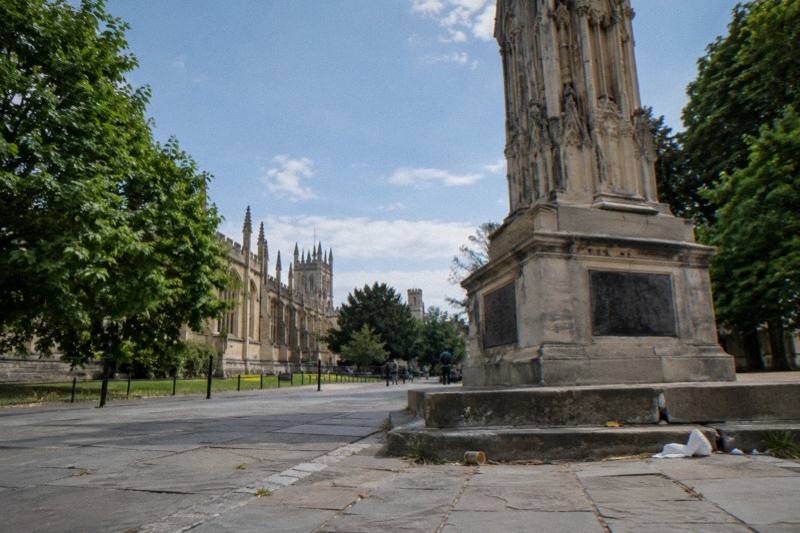
Museum Of Oxford And History Of Science Museum: One Free, One Ticketed
Two of Oxford's small museums sit a short distance from each other in the city centre: the History of Science Museum is free, and the Museum of Oxford is normally ticketed.
In Short
The History of Science Museum has free entry. The Museum of Oxford is normally ticketed (adults GBP 4, children 5 to 17 and students GBP 2, under 5s free), with free entry days in 2026 on 21 March, 13 June, 4 July, 12 September and 14 November. The Museum of Oxford covers the city's own story inside the Town Hall, and the History of Science Museum holds scientific instruments on Broad Street. Four free walking tours run on GuruWalk, three of them starting within a few streets of both museums.
Oxford's museum story is usually told through its big names, but two of its smaller museums sit within easy reach of each other in the centre, one free and one normally ticketed. The Museum of Oxford covers the city rather than the University, and the History of Science Museum packs scientific instruments into a cramped, atmospheric building on Broad Street. Both are small enough for a short visit, and both sit on the doorstep of the meeting points used by the free walking tours on GuruWalk. This guide is part of the Free Things To Do In Oxford guides hub.
The essentials are compact enough to fit in one table, and everything in it comes from the museums' own pages and from each walk's own GuruWalk page. The rest of the guide expands on each line: what the two museums actually cover, how their subjects complement each other, which walks start closest to them, and the mistakes that catch visitors out around the city's free and ticketed sights.
| Quick fact | Museum of Oxford | History of Science Museum |
|---|---|---|
| Entry cost | Normally ticketed: adults GBP 4, children 5 to 17 and students GBP 2, under 5s free | Free |
| Free entry | Set days in 2026: 21 Mar, 13 Jun, 4 Jul, 12 Sep, 14 Nov | Every opening day |
| Subject | The story of the city of Oxford | Scientific instruments and the history of science |
| Location | Inside the Town Hall, St Aldate's | Broad Street |
| Distinctive fact | Tells the history of the city rather than the University | Scientific instruments, no booking needed |
| Nearest walk meeting points | Broad Street, a short distance away | On the same street |
Which Small Museums Are Free?
The History of Science Museum is free to enter, and it is joined by a wider group of Oxford museums that are free to enter: the Ashmolean, the Pitt Rivers Museum, the Oxford University Museum of Natural History and Modern Art Oxford. The one shared catch is the Ashmolean's major special exhibition, which is ticketed separately. The Museum of Oxford is the exception among the small museums: it is normally ticketed, with set free entry days.
Free general admission is the norm across the University's museums, which is unusual for a city of this size. The two small museums here sit at opposite ends of that offer. The Museum of Oxford tells the story of the city itself, the place and its people, rather than the University, and it does so from inside the Town Hall on St Aldate's. The History of Science Museum, on Broad Street, holds a collection of scientific instruments and is free to enter with no booking needed.
The History of Science Museum has no paid part attached to it, and the Museum of Oxford is ticketed outright. That differs from several nearby sights where a free exterior or free ground sits beside a ticketed element. The University Church of St Mary the Virgin is free to enter, but its tower climb is ticketed at GBP 7. The Radcliffe Camera is free to look at from Radcliffe Square, but going inside is tour-only. Christ Church Meadow is free to walk, while Christ Church college and cathedral need a paid timed ticket, though services are free to attend. Keeping those pairs separate is the single most useful habit for planning a free day in Oxford.
The pattern repeats across the wider group, which is worth understanding once rather than sight by sight. A free museum with a ticketed exhibition is still a free museum; a free church with a ticketed tower is still a free church; a free meadow beside a ticketed college is still a free meadow. Visitors who lump these together arrive expecting either everything or nothing to cost money, and both expectations are wrong. The honest planning method is to take each sight as two facts, a free one and a paid one, and to check the second before assuming the first covers it.
The table below sets out the free-versus-paid split for the sights most likely to sit on the same itinerary as the two small museums. Each row keeps the free fact and the paid fact apart, because merging them is how misinformation spreads. A fuller walkthrough of the whole free museum group is in the guide to every free museum in Oxford, and the largest of them is covered separately in the Ashmolean free entry guide.
| Sight | Free part | Paid or restricted part |
|---|---|---|
| Museum of Oxford | Free entry days only (21 Mar, 13 Jun, 4 Jul, 12 Sep, 14 Nov in 2026) | Normally ticketed, adults GBP 4 |
| History of Science Museum | Entry to the museum | None |
| Ashmolean | General admission | Major special exhibition, ticketed |
| University Church of St Mary the Virgin | Entry to the church | Tower climb, GBP 7 |
| Radcliffe Camera | Views from Radcliffe Square | Interior, tour-only |
| Christ Church Meadow | The meadow walk | College and cathedral, paid timed ticket |
| Carfax Tower | Nothing stated as free | Ticketed |
What Does The Museum Of Oxford Cover?
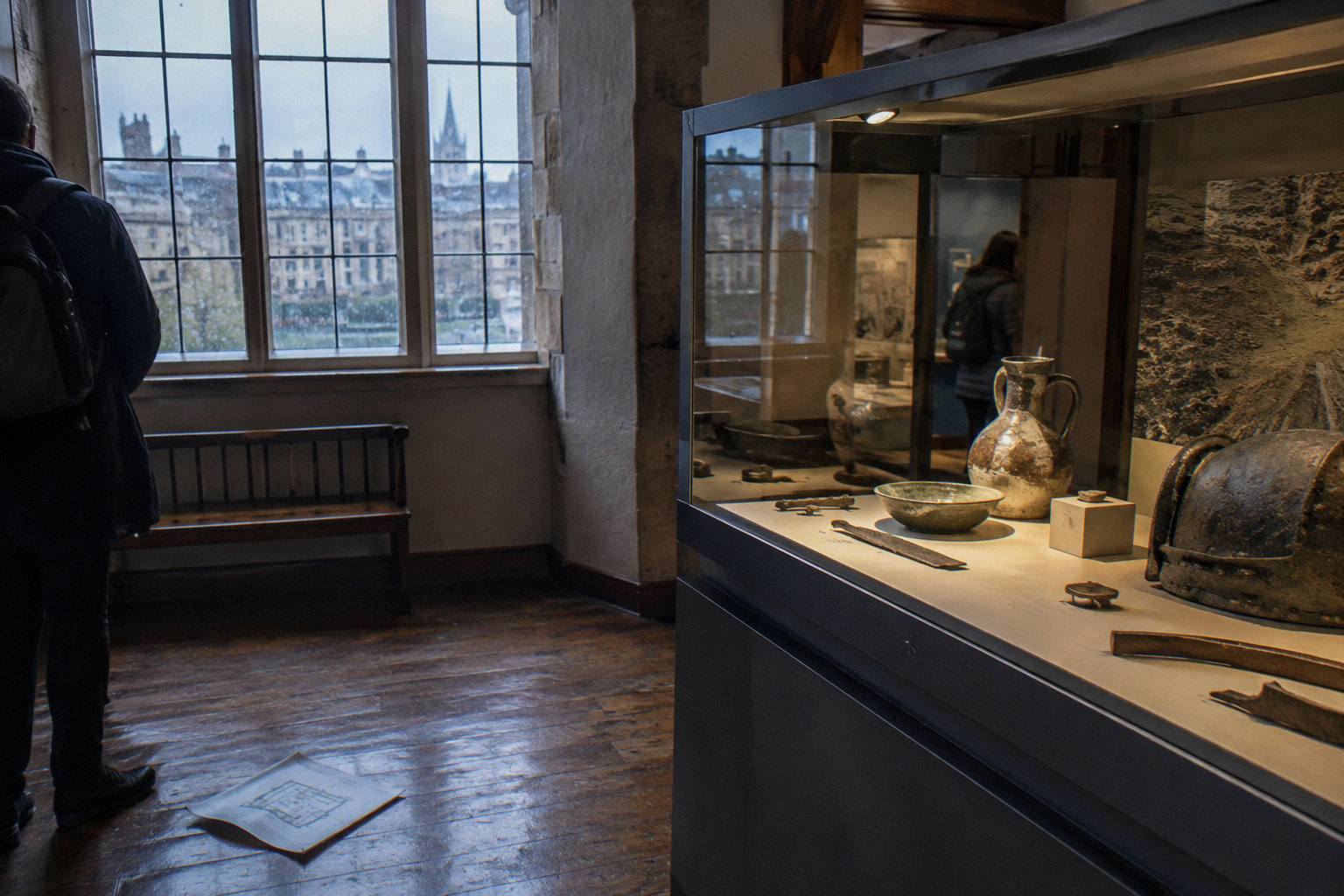
The Museum of Oxford covers the city of Oxford, its people and its history, rather than the University, and it does so from galleries inside the Town Hall on St Aldate's. It is normally ticketed: adults GBP 4, children 5 to 17 and students GBP 2, under 5s free, with free entry days in 2026 on 21 March, 13 June, 4 July, 12 September and 14 November.
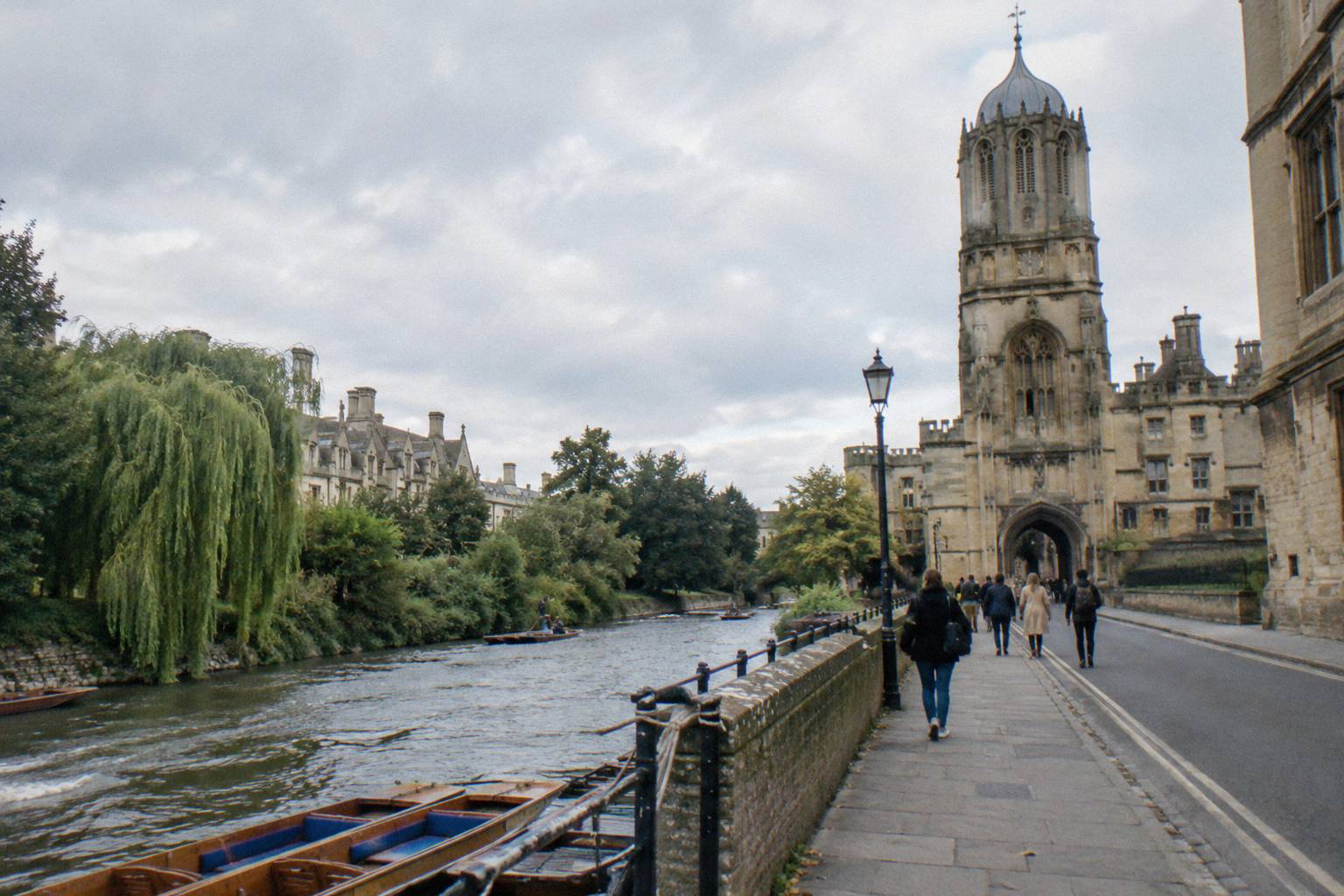
That city-first framing matters. Almost every other museum in Oxford tells a University story: college collections, scientific discovery, art accumulated over centuries of academic life. The Museum of Oxford starts instead with the town, the people who lived and worked here, and the streets they built. For a visitor who has spent the morning on colleges and quadrangles, the shift in subject is the whole point. Its location inside the Town Hall, the building where the city's civic life happens, fits that purpose.
There is a practical benefit to that framing too. Museum fatigue in Oxford is real, because the big collections reward long visits and most itineraries stack two or three of them. A museum about the city itself gives the eye and the brain a different kind of material: ordinary objects, civic life, the place behind the postcard. Visitors coming from the History of Science Museum's dense cases of instruments often find the change of subject, rather than more of it, is what makes the second museum of the day enjoyable instead of exhausting.
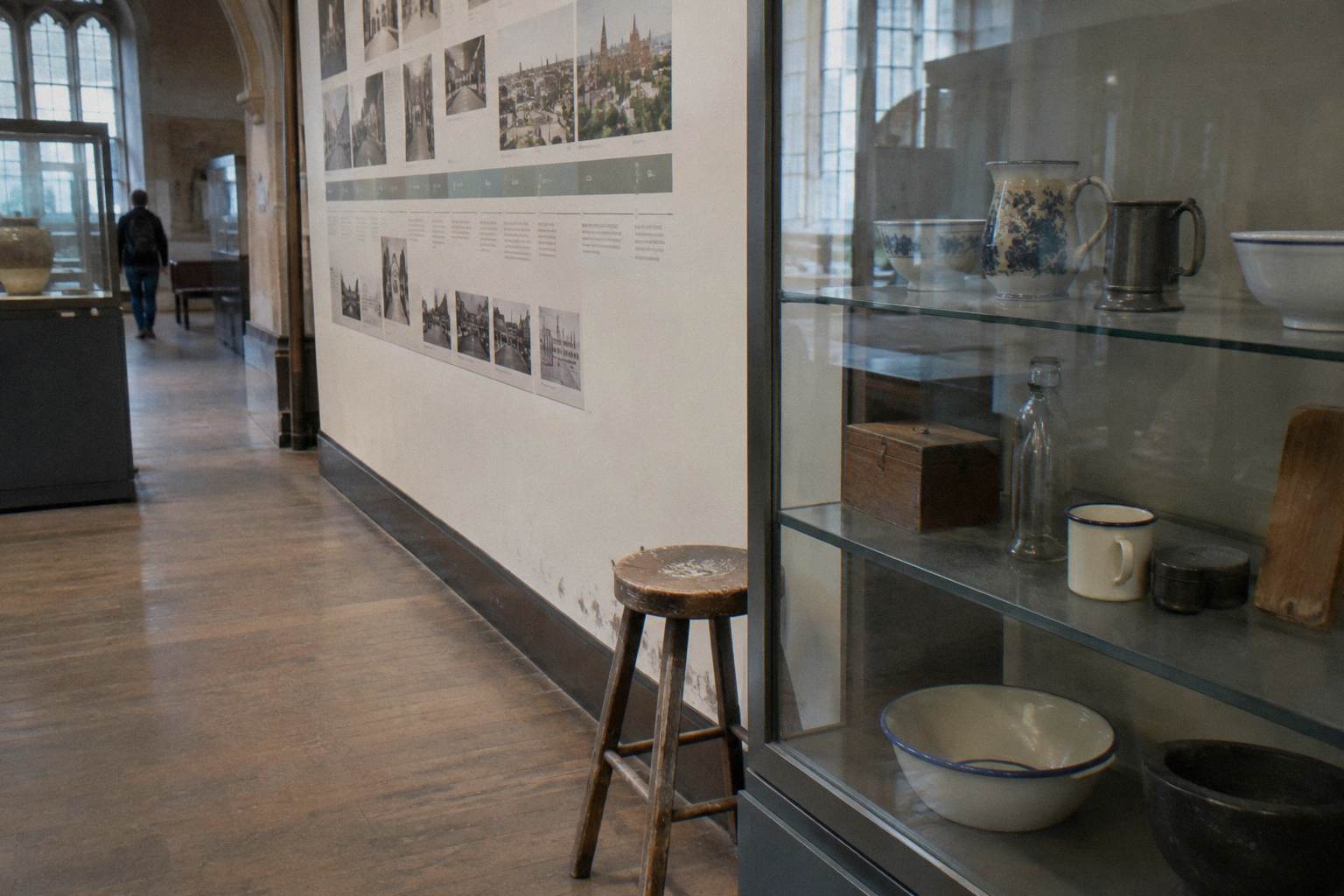
The museum is small, and that is a strength on a crowded itinerary. Where the Ashmolean or the Natural History Museum can absorb a whole day, this one can be seen properly in a shorter visit, leaving room for the History of Science Museum the same day. The two make a natural pairing: one explains the town, the other explains the scientific work the University became famous for. Between them they cover both halves of the phrase the city is known by, town and gown.
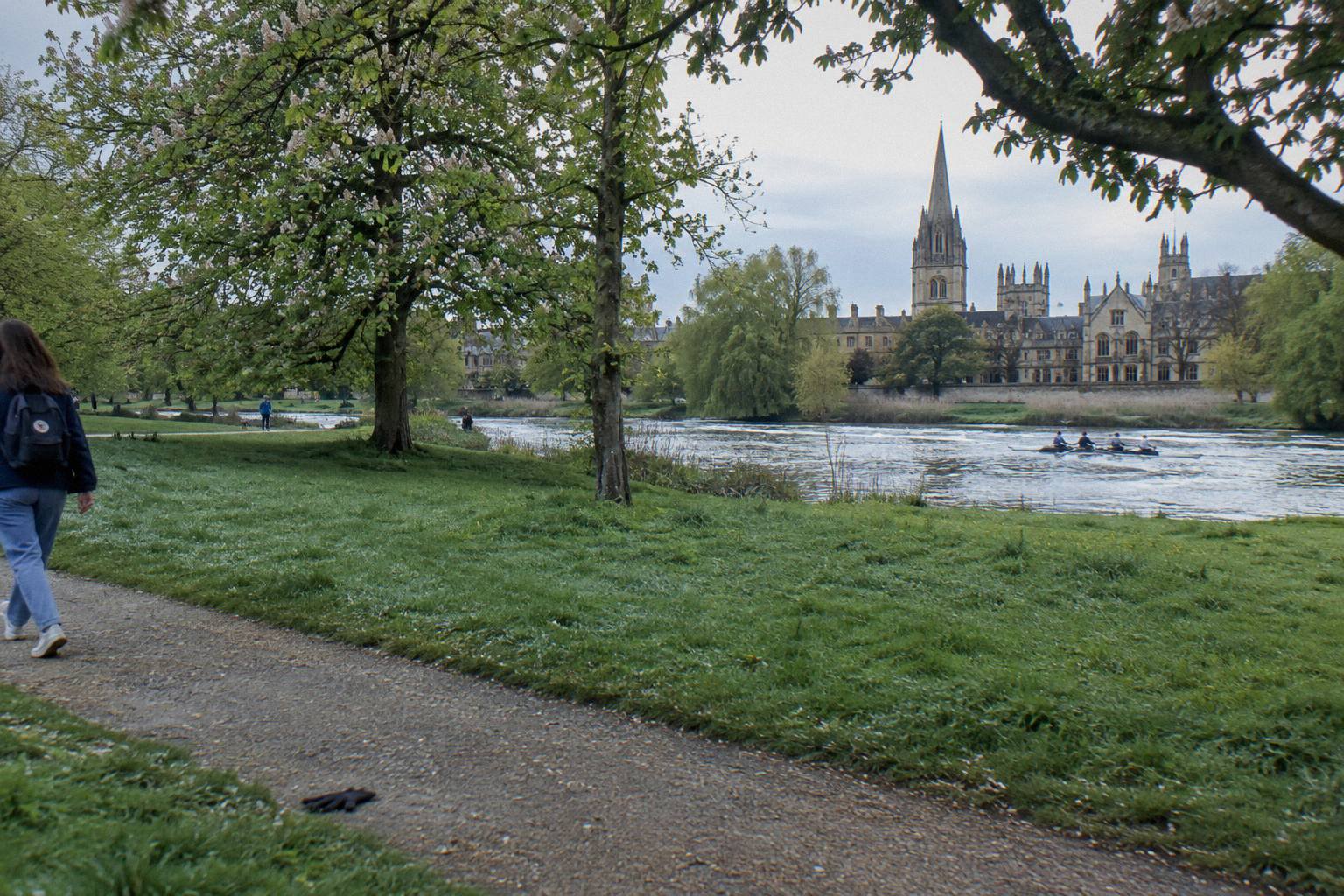
The position on St Aldate's puts the museum a short distance from Carfax, the junction at the centre of Oxford, and from Christ Church Meadow, the free riverside walk on the other side of the road. A realistic free route for one half of a day is the museum, then the meadow, then back up to Broad Street for the History of Science Museum. None of that needs a ticket. The one thing to resist is treating the walk to Christ Church itself as part of the free stretch: the meadow is free, the college and cathedral are not, and that split is worth holding onto before you set out.
What Does The History Of Science Museum Cover?
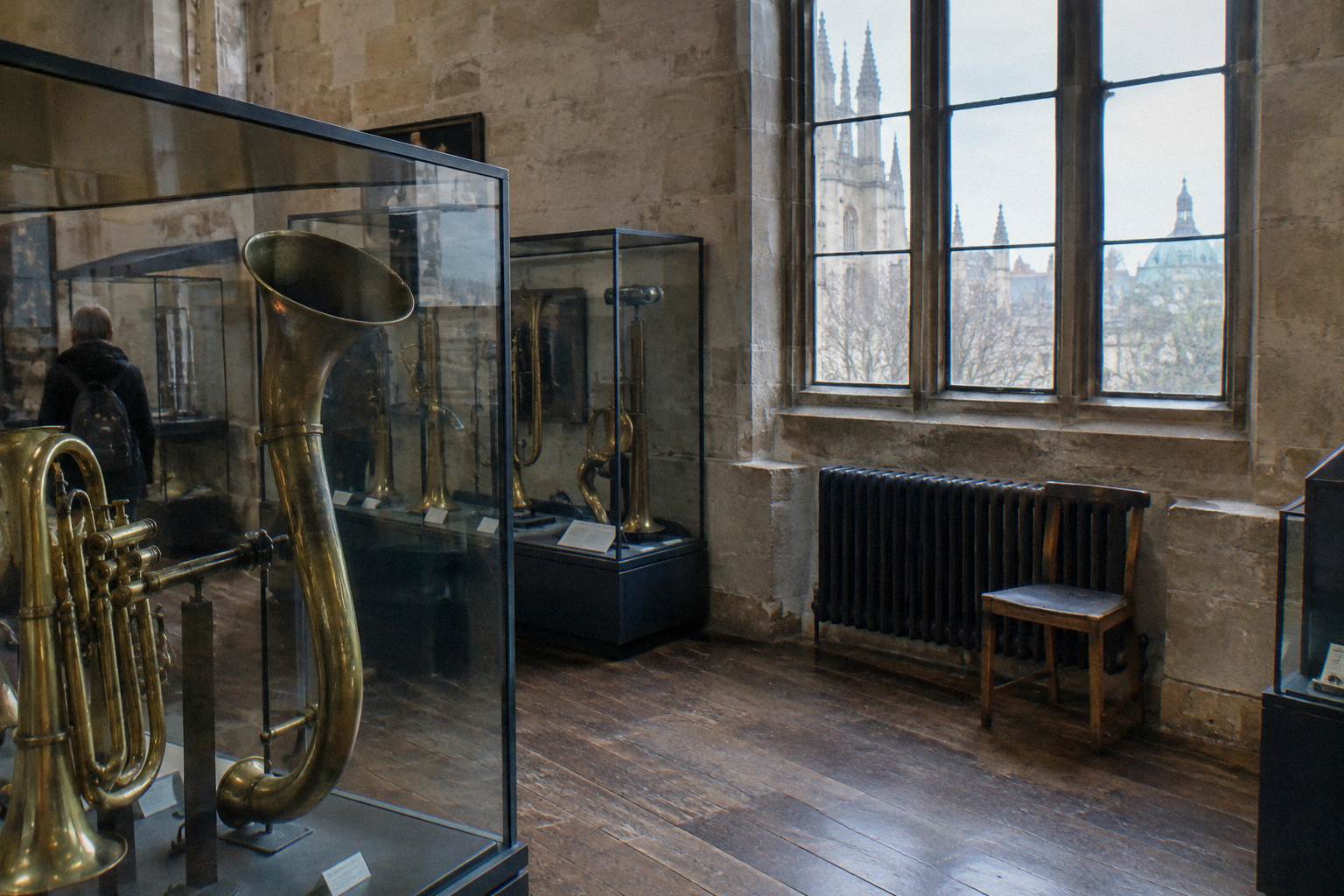
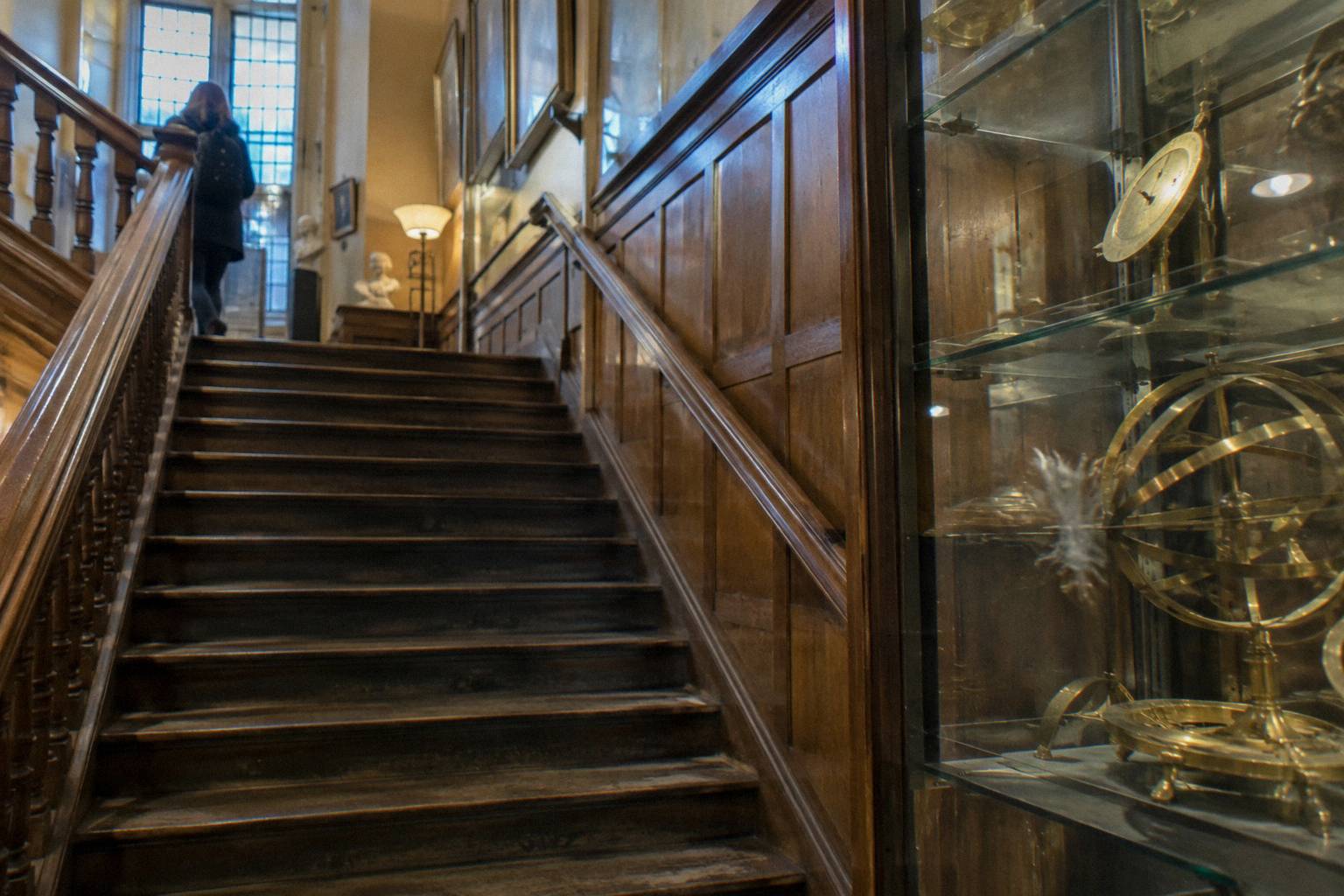
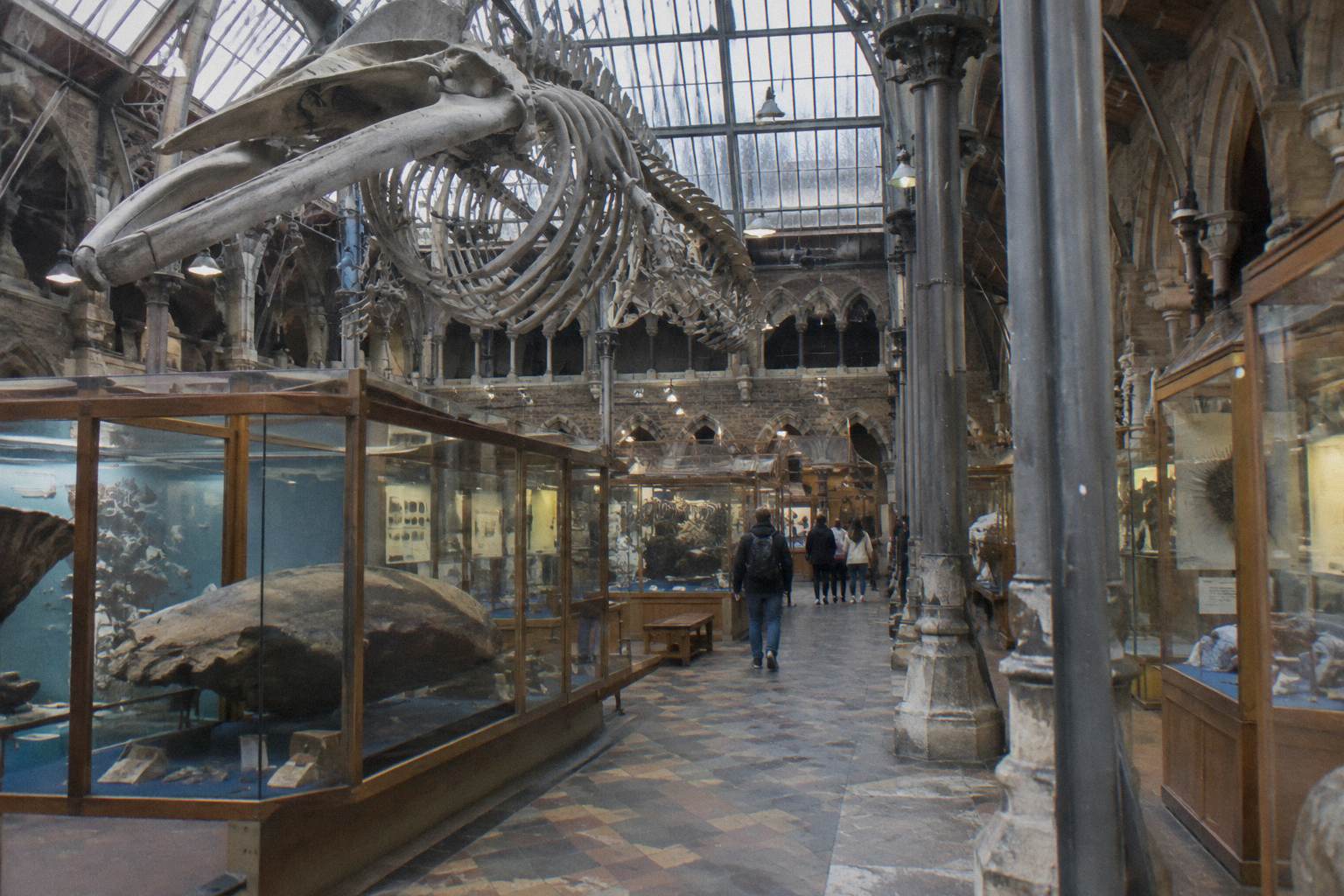
The History of Science Museum covers scientific instruments and the history of science, housed in its building on Broad Street. Entry is free. The collection ranges across astronomy, mathematics, medicine and physics, displayed in crowded basement-to-attic galleries that keep the feel of an old working collection rather than a modern refurbishment. It is small, dense and free.
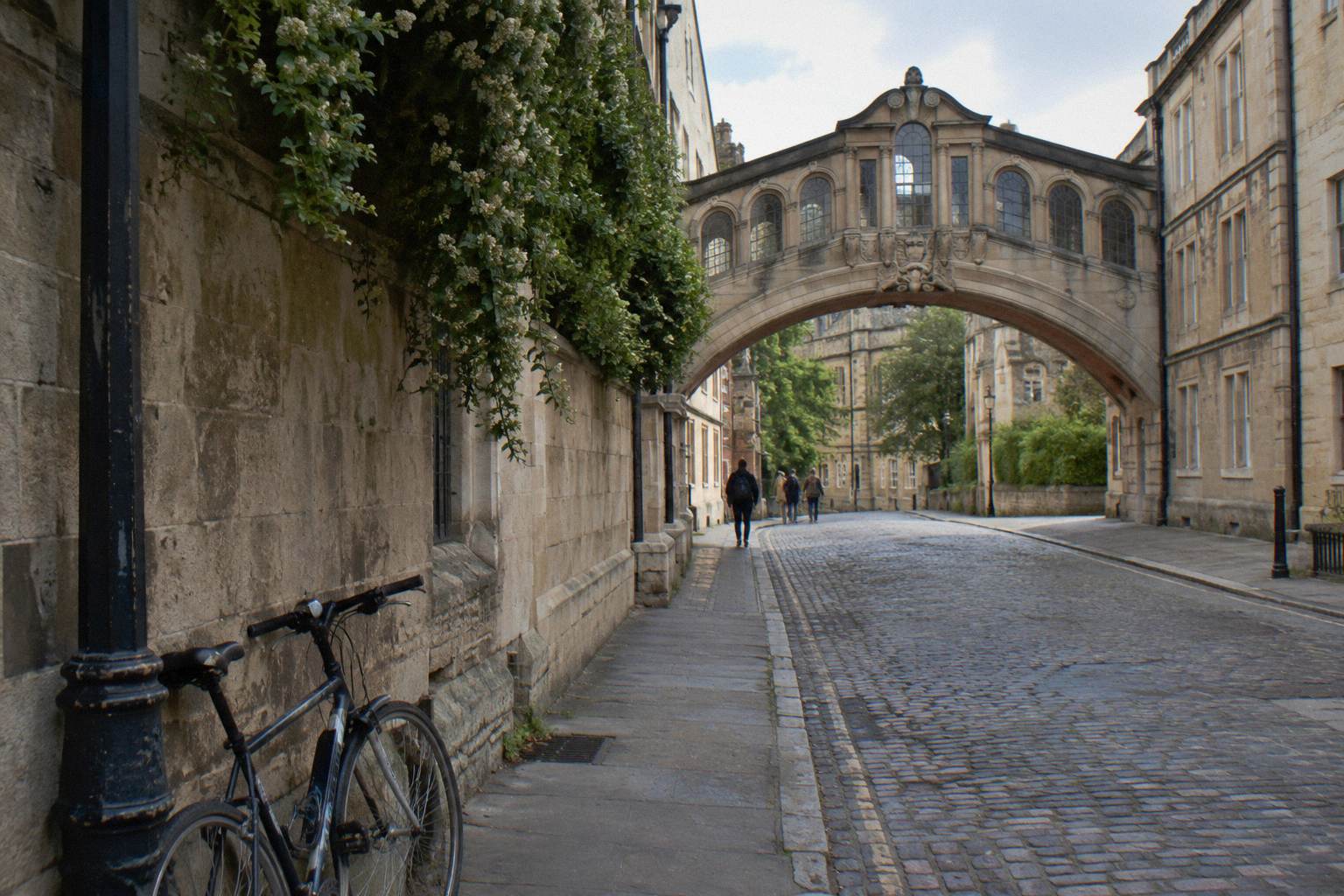
The building itself is the headline fact. Inside, the display style suits the material: cases of instruments, globes, mathematical tools and optical equipment, arranged so that the objects do the talking. The cramped rooms change what kind of visit works best. Everything else covered here is indexed on Free Things To Do In Oxford.
Dense galleries reward a slow pace. Unlike a modern museum with wide walkways and single objects given room to breathe, this one stacks its cases, and the pleasure of a visit comes from looking closely rather than covering ground. Visitors with limited time do better picking a floor or a case type, instruments, globes, mathematical tools, than trying to sweep the whole building. Nothing here is ticketed, so there is no pressure to extract value from a fixed entry cost; a twenty-minute look is a legitimate visit.
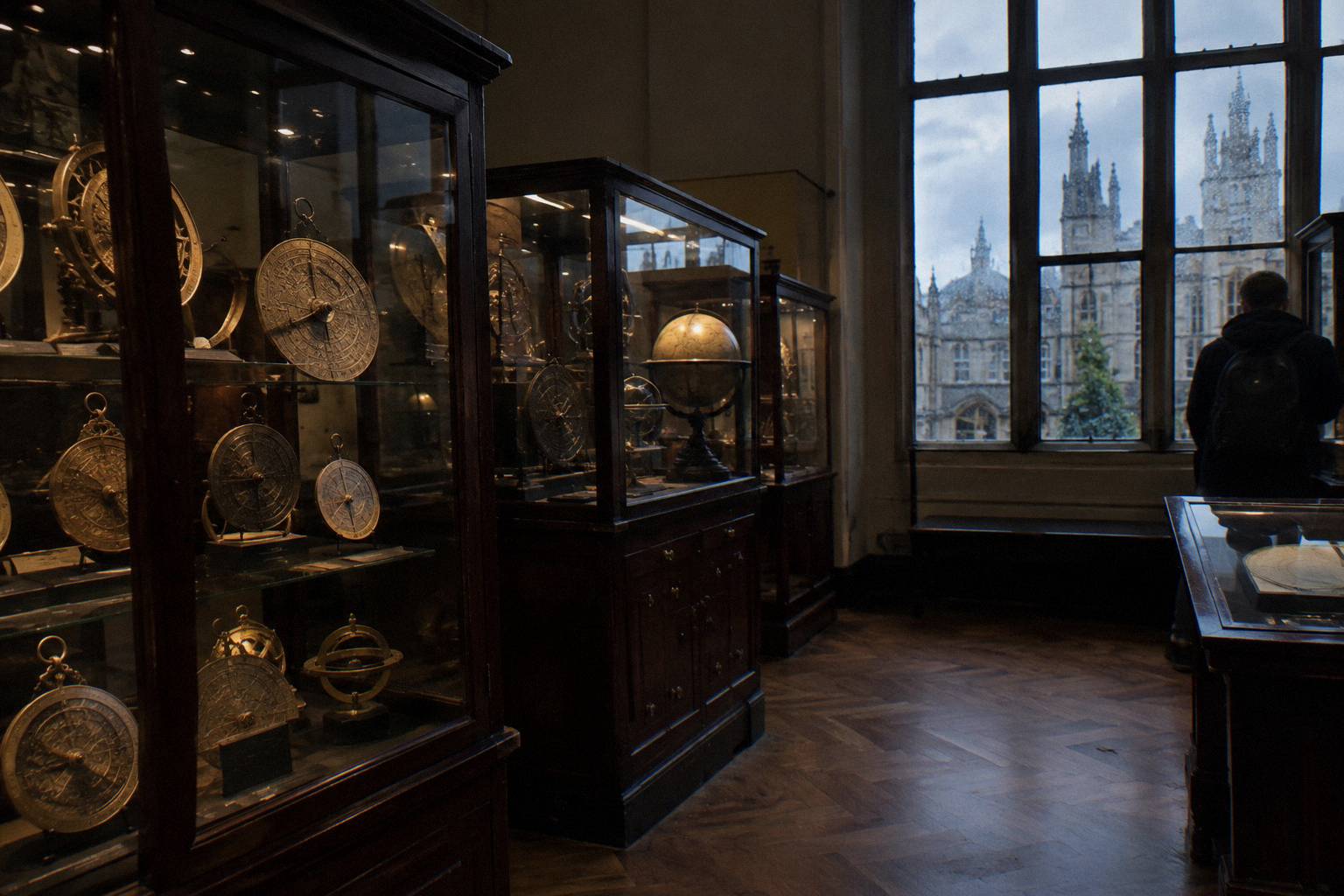
The location is the other reason to include it. Broad Street is one of the busiest visitor streets in the centre, and the museum sits on it directly. Three of the four free walking tours on GuruWalk meet on Broad Street: two at the Weston Library steps and one at the Oxfam shop at 17 Broad Street. The fourth meets at the Martyrs' Memorial at the junction of St Giles', Magdalen Street and Beaumont Street. In practice, a visitor booked on any of the walks arrives on or beside the museum's doorstep, which makes it the easiest museum in the city to fold into a tour day. The full breakdown of where each walk starts is in the free walking tour meeting points guide.
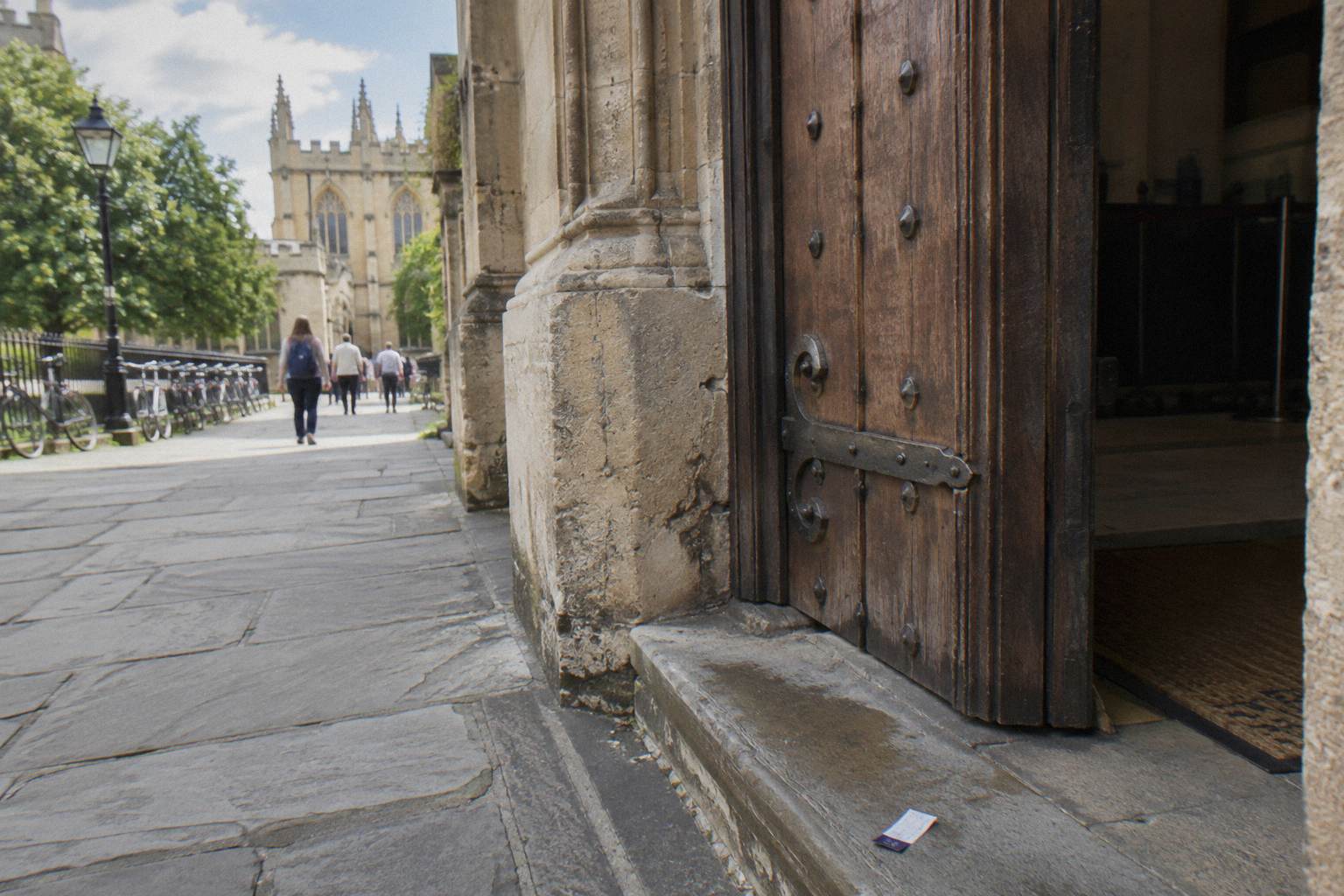
Pairing the two small museums works because they answer different questions. The Museum of Oxford tells you why the town exists and who lived in it; the History of Science Museum tells you what was studied, measured and built here. A visitor can do both for the price of one small ticket, or for nothing on a Museum of Oxford free entry day, then spend the afternoon on one of the free walks. Every walk on GuruWalk is free to join, you choose what to give the guide, and reservations happen through the walk's own GuruWalk page. No walk on this site carries an extra-cost flag, so the price you see, nothing, is the whole price.
Which Free Walking Tours Pass Them?
Four free walking tours run on GuruWalk in Oxford, all in English, and three of them meet on Broad Street, the street the History of Science Museum sits on. The fourth meets at the Martyrs' Memorial on Magdalen Street. Every walk is free to join with a tip-based model, each is led by an independent local guide, and each has its own page on GuruWalk with its duration, language and meeting point.
The walk closest in spirit to these two museums is the Town And Gown History Walk, which runs for 2 hours in English from the Weston Library steps on Broad Street, and is rated 4.97 out of 5 across 148 GuruWalk reviews. The title names both halves of the city, and the meeting point is on the museum's street. The same steps host the Bilingual Walk, 1 Hour 30, a shorter English and Italian walk rated 4.47 out of 5 across 17 GuruWalk reviews. Neither walk is described beyond its title and meeting point here, because the honest answer to what each covers lives on its own page.
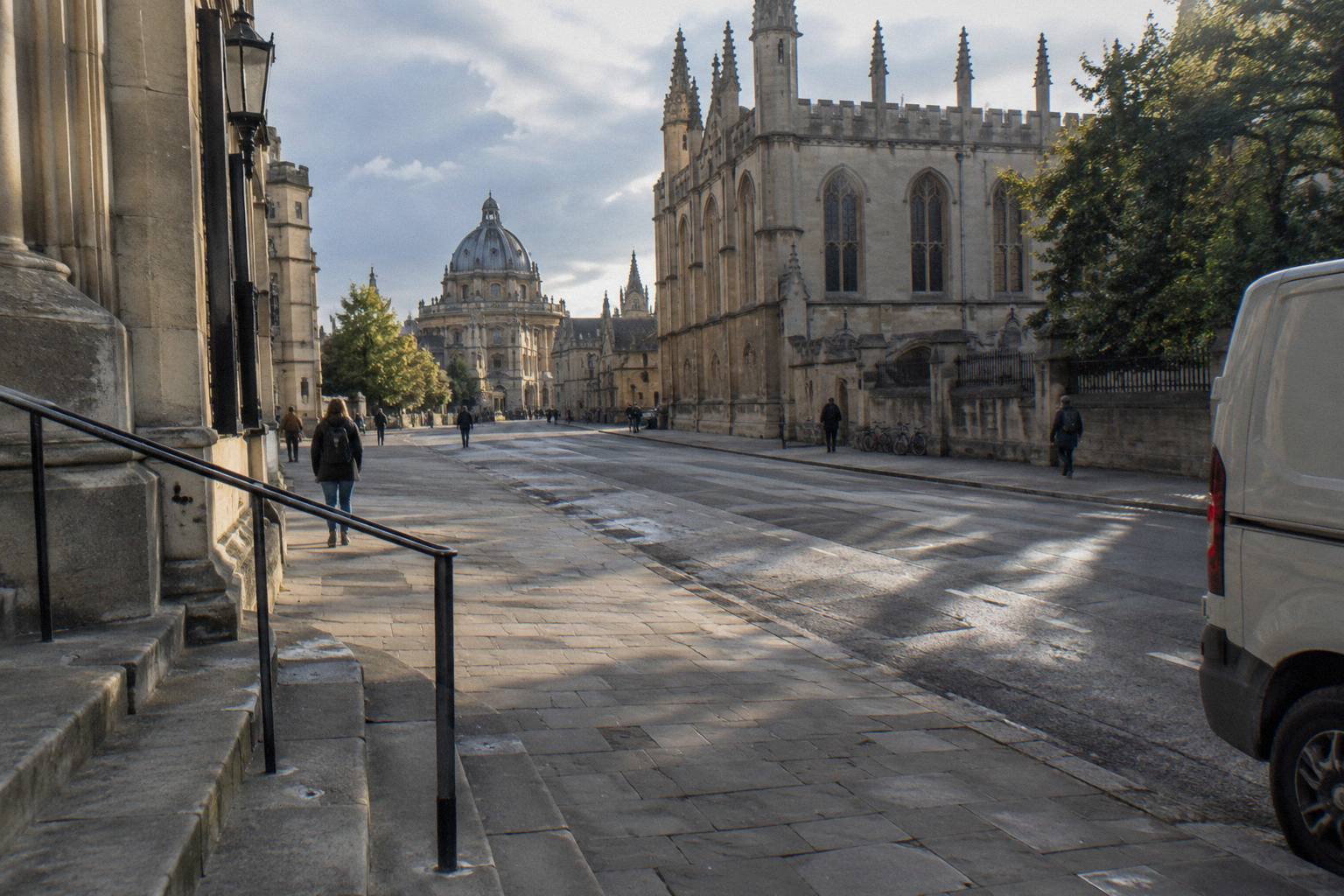
The University And Colleges Walk takes the college side of the story. It runs for 2 hours in English from the Martyrs' Memorial and is rated 4.47 out of 5 across 15 GuruWalk reviews. After a morning in the two small museums, it is the natural next step for the University half of the story, and its page on this site carries the details, with See this free tour linking to the GuruWalk page. A fourth walk, the Student's Tour, 2 Hours, rated 4.2 out of 5 across 5 GuruWalk reviews, also runs in English for 2 hours and meets at the Oxfam shop at 17 Broad Street.
One boundary worth stating once: none of the free walks goes inside a paid college, the Bodleian, the Radcliffe Camera or Christ Church. The walks start at their meeting points and pass through the centre; the interiors with tickets stay separate. The museums in this guide need no such warning: nothing inside the History of Science Museum is ticketed, and the Museum of Oxford sells one clear admission ticket, which is why they pair well with a free walk.
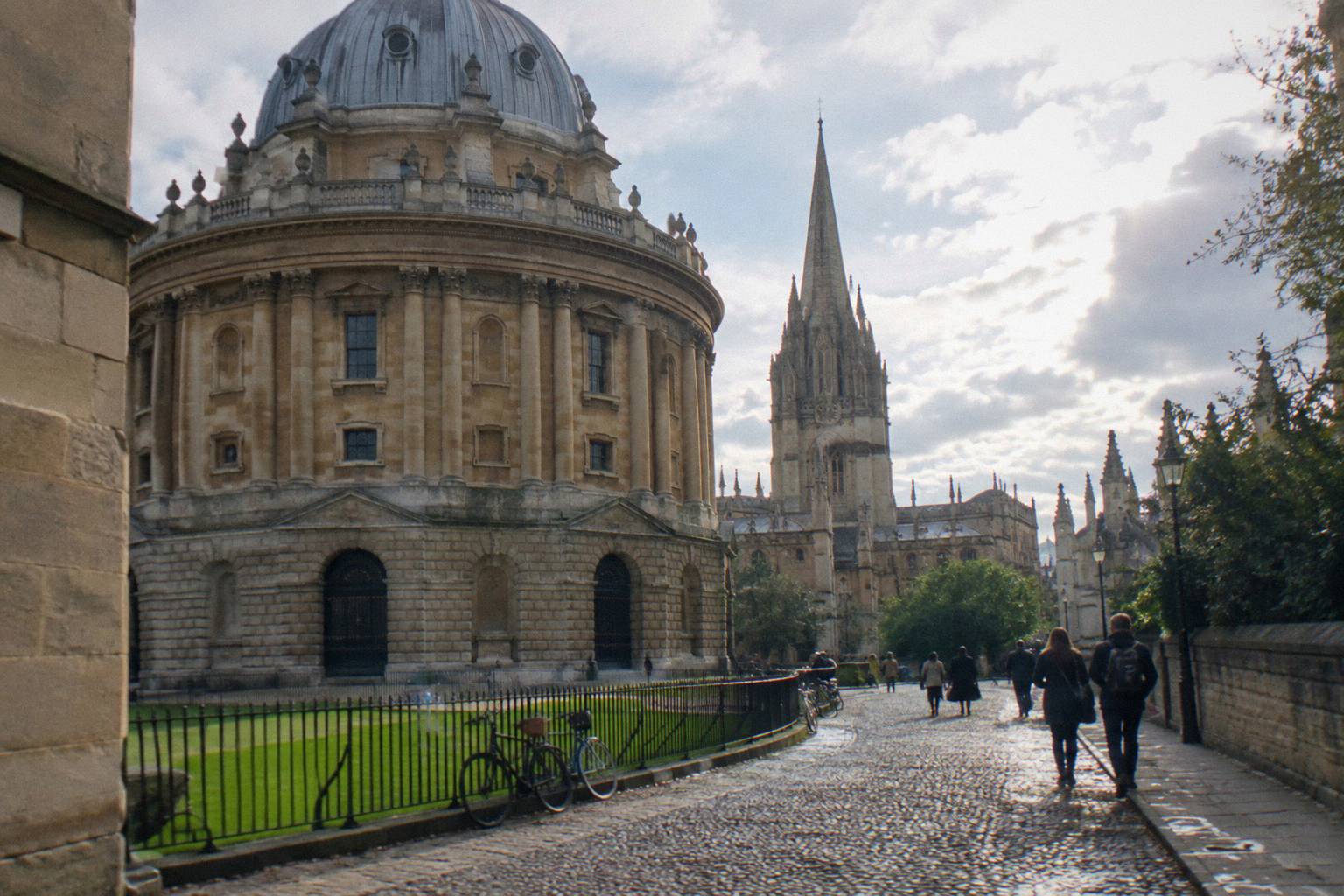
Choosing between the walks comes down to three facts, all printed on each walk's own page: duration, language and meeting point. Three walks run 2 hours and one runs 1 hour 30 minutes bilingually in English and Italian. A visitor whose day is built around the two museums will usually pick by start point, since three of the four options begin within sight of one of them. Whatever the choice, the model is the same: no fixed fee, the guide is paid in tips, and the reader decides.
The tables below compare the four walks on the facts that actually drive a choice: how long, in what language, from where, and with what rating behind it. All four figures come from each walk's own GuruWalk page. Reviews are per walk and are never summed, because one walk holds most of them.
| Walk | Duration | Meeting point |
|---|---|---|
| Town And Gown History Walk | 2 hours | Weston Library steps, Broad Street |
| Bilingual Walk, 1 Hour 30 | 1 hour 30 minutes | Weston Library steps, Broad Street |
| University And Colleges Walk | 2 hours | Martyrs' Memorial, Magdalen Street |
| Student's Tour, 2 Hours | 2 hours | Oxfam shop, 17 Broad Street |
| Walk | Languages | Rating on GuruWalk |
|---|---|---|
| Town And Gown History Walk | English | 4.97 out of 5, 148 reviews |
| Bilingual Walk, 1 Hour 30 | English and Italian | 4.47 out of 5, 17 reviews |
| University And Colleges Walk | English | 4.47 out of 5, 15 reviews |
| Student's Tour, 2 Hours | English | 4.2 out of 5, 5 reviews |
| Meeting point | Street | Walks using it |
|---|---|---|
| Weston Library steps | Broad Street | Town And Gown History Walk, Bilingual Walk 1 Hour 30 |
| Oxfam shop, 17 Broad Street | Broad Street | Student's Tour, 2 Hours |
| Martyrs' Memorial | Junction of St Giles', Magdalen Street and Beaumont Street | University And Colleges Walk |
External sources for the two museums are straightforward: the Museum of Oxford's own site is at museumofoxford.org and the History of Science Museum's is at hsm.ox.ac.uk. Opening arrangements are on those pages, and this guide deliberately does not restate hours that belong to the operators themselves. For the walks, each walk's own GuruWalk page is the source of its duration, language, meeting point, rating and review count, and it is where a reservation is made. The University's own college visiting page, at ox.ac.uk, is the reference for which colleges admit visitors and on what terms.
Mistakes That Trip People Up At Oxford's Small Museums
The consistent mistakes are assuming every Oxford museum has a ticketed part, confusing the free museums with the ticketed towers and colleges around them, planning both small museums and a walk without checking meeting points, and expecting a free walk to include interiors it does not. The fix is one habit: read the free fact and the paid fact separately for every sight. The History of Science Museum is simply free; the Museum of Oxford is not.
The first mistake is blending the museums into the ticketed landscape around them. Visitors hear that Oxford charges for its colleges and assume the museums follow. Most do not: general admission to the History of Science Museum, the Ashmolean, the Pitt Rivers, the Natural History Museum and Modern Art Oxford costs nothing, and the only ticket attached to any of them is the Ashmolean's major special exhibition. The Museum of Oxford is the one small museum that does charge, adults GBP 4, except on its set free entry days. Treating each sight as its own fact keeps a free day free.
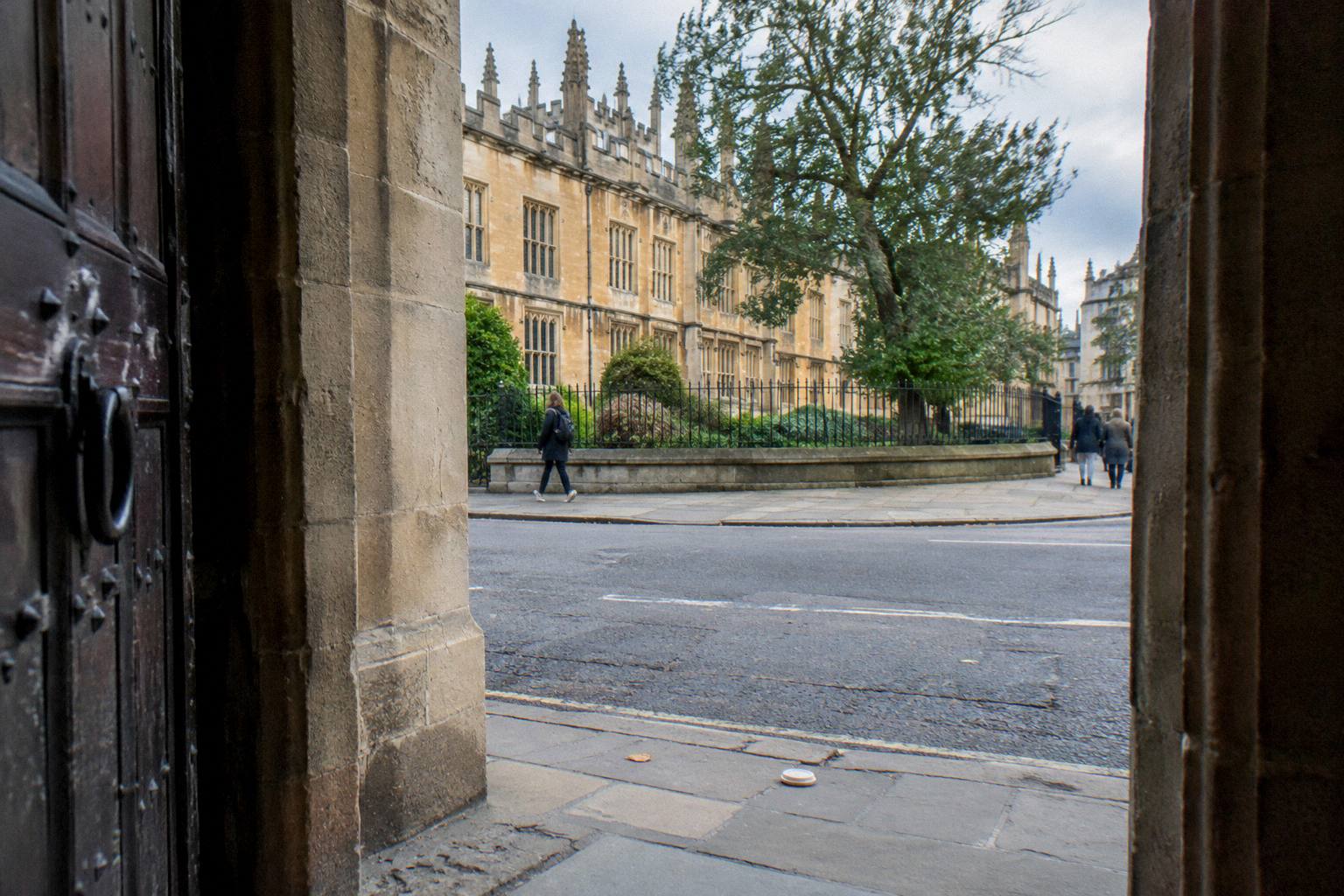
The second mistake is geography. The two small museums are not on the same street, and the walk between them passes straight through the centre, past Carfax and along the streets most visitors walk anyway. People who plan them for opposite ends of the day, with a paid college visit wedged between, tend to run out of time for the second museum. Both are small; the pairing works best back to back. The third mistake is assuming a walk starts where the museums are. Three of the four walks meet on Broad Street, which serves the History of Science Museum, and one meets at the Martyrs' Memorial further north. Checking the meeting point before booking, on the walk's GuruWalk page, takes a minute and settles the day's shape.
The fourth mistake is expecting a free walk to replace a museum ticket or a college ticket. It does not. The walks are street-level tours of the centre, and no walk on this site enters a paid college, the Bodleian, the Radcliffe Camera or Christ Church. What the walks do offer is context: a guide, a route from the meeting point, and the city's story told aloud. The museums supply the objects, the walks supply the narrative, and the two together, at no entry cost, are the strongest free day Oxford assembles. Every walk is free to join, the guide is paid in tips, and the reader decides what to give.
A fifth mistake concerns the colleges themselves, and it deserves its own warning because it catches even careful planners. Oxford's colleges are not free as a group: most charge for entry, some close in term, and a few do not admit casual visitors at all. The walk-in free colleges are a specific list, All Souls, Lincoln, Corpus Christi, Keble, St John's, Wadham, Lady Margaret Hall and Brasenose at the porter's discretion, each with its own hours or conditions. Pembroke, Worcester, Hertford and Queen's do not admit casual visitors on the terms a tourist needs. The honest way to use that list is to treat it as the free layer of a college visit, to be combined with the museums and a walk, and to check the University's own visiting pages before setting out.
| College admission | Colleges |
|---|---|
| Free walk-in | All Souls, Lincoln, Corpus Christi, Keble, St John's, Wadham, Lady Margaret Hall, Brasenose (porter's discretion) |
| Charging or tours only | Magdalen, Merton, Trinity, Balliol, University College, Oriel, Jesus |
| Not open to casual visitors | Pembroke, Worcester, Hertford, Queen's |
Common Questions
Is The Museum Of Oxford Free To Enter?
Not normally. The Museum of Oxford is ticketed: adults GBP 4, children 5 to 17 and students GBP 2, under 5s free. It has free entry days in 2026 on 21 March, 13 June, 4 July, 12 September and 14 November. It sits inside the Town Hall on St Aldate's and covers the history of the city rather than the University.
Is The History Of Science Museum Free?
Yes. The History of Science Museum on Broad Street is free to enter, with no ticketed component. It holds scientific instruments. Because it sits on Broad Street, it pairs naturally with the three free walking tours that meet on the same street.
Which Oxford Museums Are Free?
The History of Science Museum, the Ashmolean, the Pitt Rivers Museum, the Oxford University Museum of Natural History and Modern Art Oxford all offer free general admission. The Ashmolean's major special exhibition is ticketed separately. The Museum of Oxford is normally ticketed, with set free entry days.
Where Do The Free Walking Tours Meet?
Two of the four free walking tours on GuruWalk meet at the Weston Library steps on Broad Street, one meets at the Oxfam shop at 17 Broad Street, and one meets at the Martyrs' Memorial at the junction of St Giles', Magdalen Street and Beaumont Street. Each walk's own page confirms its meeting point before you reserve.
How Long Are The Free Walking Tours?
Three of the four walks run for 2 hours: the Town And Gown History Walk, the University And Colleges Walk and the Student's Tour. The Bilingual Walk, 1 Hour 30, runs for 1 hour 30 minutes. All four are free to join, the guide is paid in tips, and you decide what to give.
Do The Free Walks Go Inside The Museums Or Colleges?
No free walk on GuruWalk goes inside a paid college, the Bodleian, the Radcliffe Camera or Christ Church. The walks start at their meeting points and pass through the centre of the city. The museums are visited separately, and since entry to the History of Science Museum is free, combining a walk with that museum costs nothing.