Free Museums In Oxford: Which Ones Cost Nothing
Oxford keeps five of its museums free to enter, including three University collections of international standing. This guide lists each one, separates the genuinely free from the parts that still carry a ticket, and matches the walks on GuruWalk that tie the museum quarter together.
In Short
Five Oxford museums are free to enter: the Ashmolean, the Pitt Rivers, the Oxford University Museum of Natural History, the History of Science Museum and Modern Art Oxford. The Museum of Oxford is normally ticketed (adults GBP 4), with set free entry days. Inside the free five, the main thing you pay for is the Ashmolean's major special exhibition, which is ticketed. Free GuruWalk walking tours, including the Town And Gown History Walk rated 4.97 out of 5 across 148 reviews, run through the centre between them.
Part of the Free Things To Do In Oxford guides hub.
Oxford's museum quarter is one of the few places in England where a day of world-class collections can cost nothing at the door. The Ashmolean, the Pitt Rivers, the Oxford University Museum of Natural History, the History of Science Museum and Modern Art Oxford all admit walk-in visitors without a ticket. That is five institutions, most of them within a short walk of Broad Street, and none of them charges for general entry. The Museum of Oxford is the one civic museum nearby that does charge: The Museum of Oxford is normally ticketed (adults GBP 4, children 5 to 17 and students GBP 2, under 5s free), with free entry days in 2026 on 21 March, 13 June, 4 July, 12 September and 14 November.
The catch is that "free" stops at the door of the special exhibition. The Ashmolean's major temporary shows are ticketed, and a handful of other experiences inside otherwise free buildings carry their own price. This guide separates the two cleanly, museum by museum, and then looks at how the free walking tours on GuruWalk stitch the museum quarter into the rest of the city centre.
Which Oxford Museums Are Free?
Five Oxford museums charge nothing for general entry: the Ashmolean, the Pitt Rivers, the Oxford University Museum of Natural History, the History of Science Museum and Modern Art Oxford. The Museum of Oxford is normally ticketed (adults GBP 4, children 5 to 17 and students GBP 2, under 5s free), with free entry days in 2026 on 21 March, 13 June, 4 July, 12 September and 14 November.
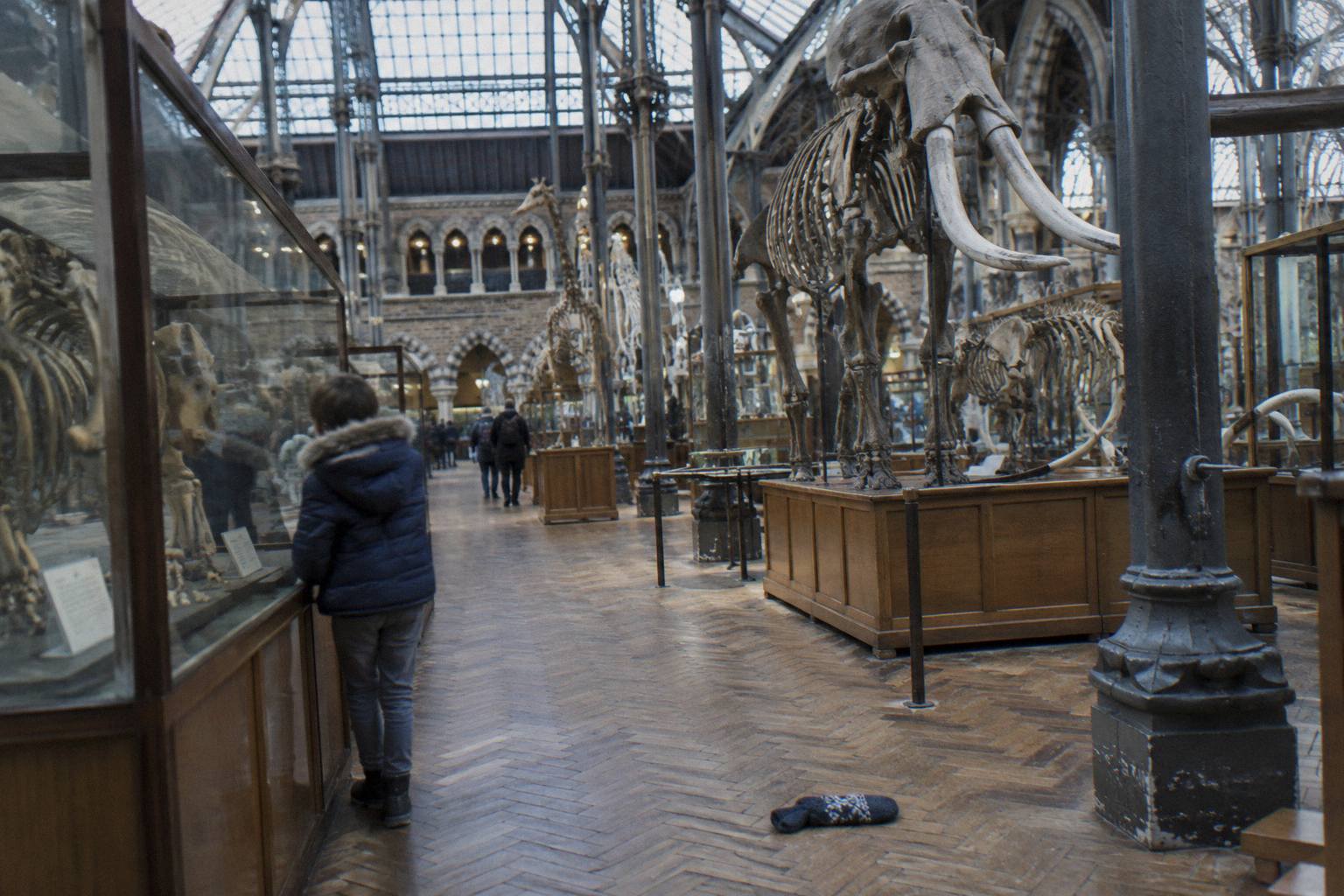
The Ashmolean is the University's museum of art and archaeology, on Beaumont Street facing the Martyrs' Memorial, which is also the meeting point of one of the free GuruWalk walks covered below. Its permanent galleries are free to enter, and its own pages at ashmolean.org state the free-entry policy directly. The collection spans ancient Egypt, Greece and Rome, Eastern and Western art, and the cast gallery, and it is the largest of the free set by some distance. Because it faces the memorial at the top of St Giles', it also anchors the western end of any museum route: from its steps you can plan a walk down Beaumont Street into the centre and out again to Broad Street without retracing your steps.
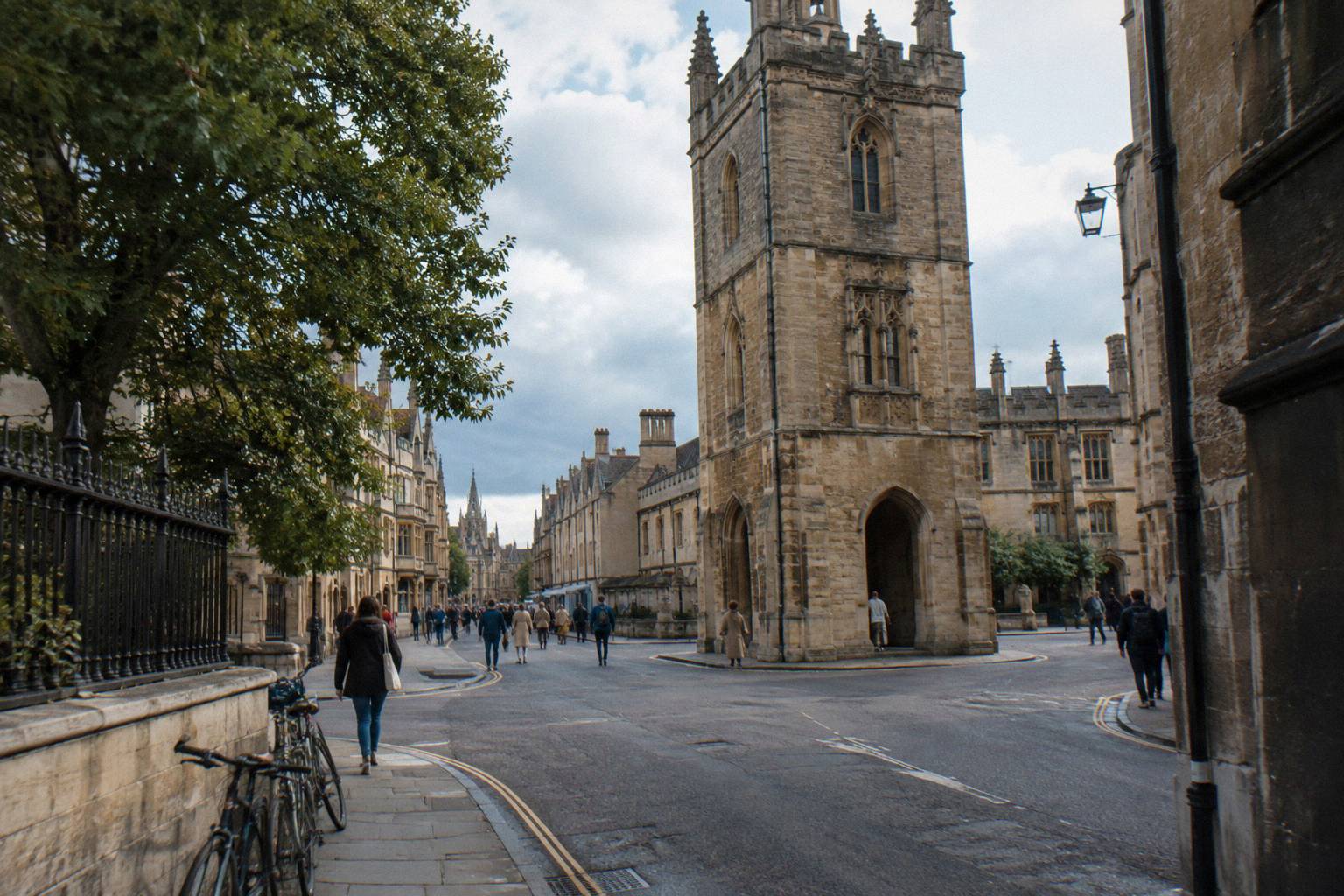
The Pitt Rivers and the Oxford University Museum of Natural History share one building on Parks Road, which makes them effectively a single free stop. The natural history half holds the great court skeletons and the dinosaur displays; the Pitt Rivers half, reached through the back of that hall, is a dense ethnographic collection of masks, tools, textiles and totem poles, still displayed in its traditional case-packed style. Entry to both is free, and the Pitt Rivers states its own policy at prm.ox.ac.uk. The shared building matters for planning: one door, one cloakroom stop, two museums, and a combined visit that comfortably fills half a day if you give each collection the attention it rewards.
The History of Science Museum on Broad Street, next to the Sheldonian Theatre, is free to enter, and you do not need to book. Modern Art Oxford, off Cornmarket near Carfax, is a contemporary gallery with free admission to its exhibition spaces. The Museum of Oxford, inside the Town Hall on St Aldate's, tells the history of the city rather than the University, and it is the exception: it is normally ticketed (adults GBP 4, children 5 to 17 and students GBP 2, under 5s free), with free entry days in 2026 on 21 March, 13 June, 4 July, 12 September and 14 November. The five free museums cover archaeology, ethnography, natural science, scientific instruments and contemporary art, which is a wider spread of subjects than most cities manage with paid admission.
| Museum | Entry | Where It Sits | What It Covers |
|---|---|---|---|
| Ashmolean | Free | Beaumont Street | Art and archaeology, world collections |
| Pitt Rivers | Free | Parks Road | Ethnography, masks, tools, textiles |
| Natural History | Free | Parks Road (shared building) | Skeletons, dinosaurs, natural science |
| History of Science | Free | Broad Street | Scientific instruments |
| Modern Art Oxford | Free | Near Carfax | Contemporary exhibitions |

The pattern worth noticing is the split between University collections and civic ones. The Ashmolean, the Pitt Rivers, the Natural History museum and the History of Science museum belong to the University and sit in the quarter between Broad Street and Parks Road. Modern Art Oxford and the Museum of Oxford belong to the city side of the story, one near Carfax and one in the Town Hall, and only the first is free every day. A visitor who walks from Beaumont Street to Parks Road to Carfax sees both halves in a straight-ish line. If you want to go deeper on individual buildings, the site carries dedicated guides on what to see for free at the Ashmolean and on the Pitt Rivers and its highlights.
The geography also explains why this quarter rewards a walking plan rather than a bus plan. Broad Street alone holds the History of Science Museum, the Weston Library steps where two of the GuruWalk walks meet, and the Oxfam shop at number 17 where a third begins. Parks Road lies a few streets north, Carfax a few streets south, and the Town Hall on St Aldate's continues the line towards Christ Church Meadow. Nothing in the free set needs transport, and the whole route is pedestrian in character.
What Do You Pay For Inside Them?
The one reliable paid item inside Oxford's free museums is the Ashmolean's major special exhibition, which is ticketed while the permanent galleries stay free. Elsewhere the paid experiences sit beside the museums rather than inside them: the University Church tower, and the ticketed college and heritage buildings nearby. Everything on the museums' own gallery floors costs nothing beyond the door.
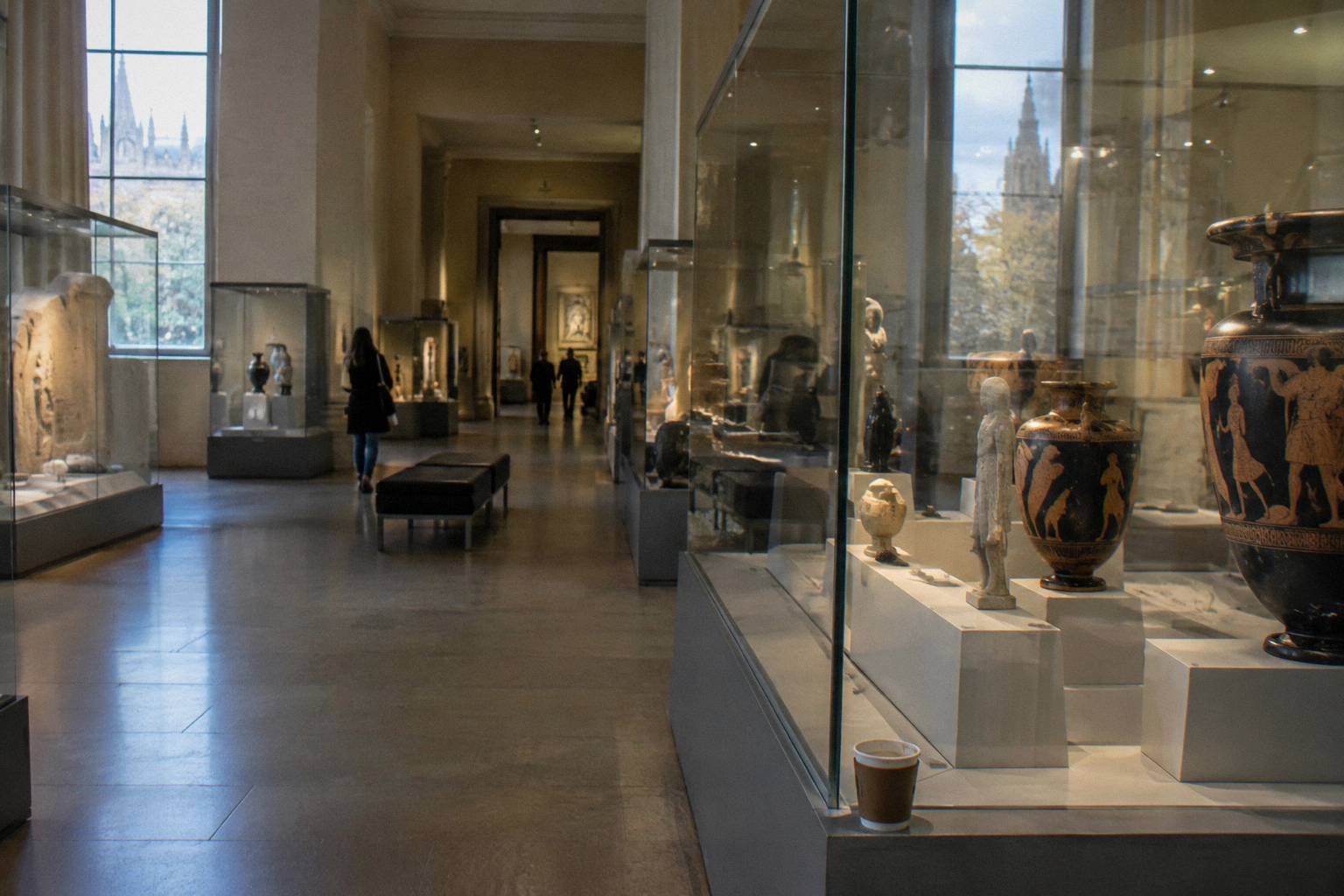
At the Ashmolean the split is structural. The permanent collection galleries, the roof terrace restaurant aside, are free to wander. The major temporary exhibition space in the basement is a separately ticketed show, and its price changes with each exhibition, so check the museum's own page for the current one. Families budgeting a visit should treat the Ashmolean as two experiences: a free permanent collection large enough for a full morning, and an optional ticketed exhibition that can be skipped without missing the museum itself.
The Pitt Rivers, the Natural History museum, the History of Science Museum and Modern Art Oxford carry no paid parts on their gallery floors. Their own pages, including oumnh.ox.ac.uk for natural history, state free admission without a paid tier inside. What can cost money is the neighbourhood: the museums sit inside a quarter where the headline heritage buildings charge, and visitors regularly confuse the two. The museums are the free layer; the colleges, towers and library interiors around them are the paid layer, and keeping the layers separate in your head is the whole skill of visiting Oxford on a budget.
| Free Museum | Galleries | Paid Part Inside | Nearby Paid Sight |
|---|---|---|---|
| Ashmolean | Free | Major special exhibition, ticketed | Bodleian guided tours |
| Pitt Rivers | Free | None | Radcliffe Camera interior, tour only |
| Natural History | Free | None | Botanic Garden, ticketed |
| History of Science | Free | None | Carfax Tower, ticketed |
| Modern Art Oxford | Free | None | Christ Church, paid timed ticket |
This is where honest framing matters. The Radcliffe Camera is free to look at from Radcliffe Square, but going inside is tour-only. Christ Church Meadow is a free riverside walk, while Christ Church college and cathedral need a paid timed ticket. The University Church of St Mary the Virgin is free to enter but its tower climb is ticketed. Treating each of these as two facts, the free half and the paid half, is the difference between a budget that holds and one that gets surprised. The site's guide on what you can see of the Bodleian without a ticket works through the same split for the library next door to the science museum.
One more boundary worth knowing: a free walking tour on GuruWalk does not enter any of the paid buildings. None of the walks' own pages claims entry to a paid college, the Bodleian or the Radcliffe Camera. The walks start at a street meeting point and pass through the centre, and the museums you reach under your own steam. That division of labour is actually the efficient shape of a free day in Oxford: a guided two-hour walk for the streets and the stories, self-guided museum visits for the collections, and no ticket anywhere in the plan.
Which Free Museum Suits Which Visitor?
Pick by what you actually want from the day. The Ashmolean suits a long, varied visit; the Pitt Rivers suits anyone who wants atmosphere and density over polish; Natural History suits families with children; the History of Science Museum suits a short, sharp hour; Modern Art Oxford suits contemporary tastes. The Museum of Oxford suits anyone who wants the city's own story rather than the University's, at adults GBP 4 or free on its set entry days.
The Ashmolean rewards time. Its galleries run from ancient Egypt through to the pre-Raphaelites, and a visitor with two or three hours gets the fullest return. Because it faces the Martyrs' Memorial on Beaumont Street, it also pairs naturally with a morning walk: the meeting point of the University And Colleges Walk is at the Martyrs' Memorial on Magdalen Street, and the museum's front steps sit at the other end of Beaumont Street. A walk, then the Ashmolean, is a free morning of the highest order.
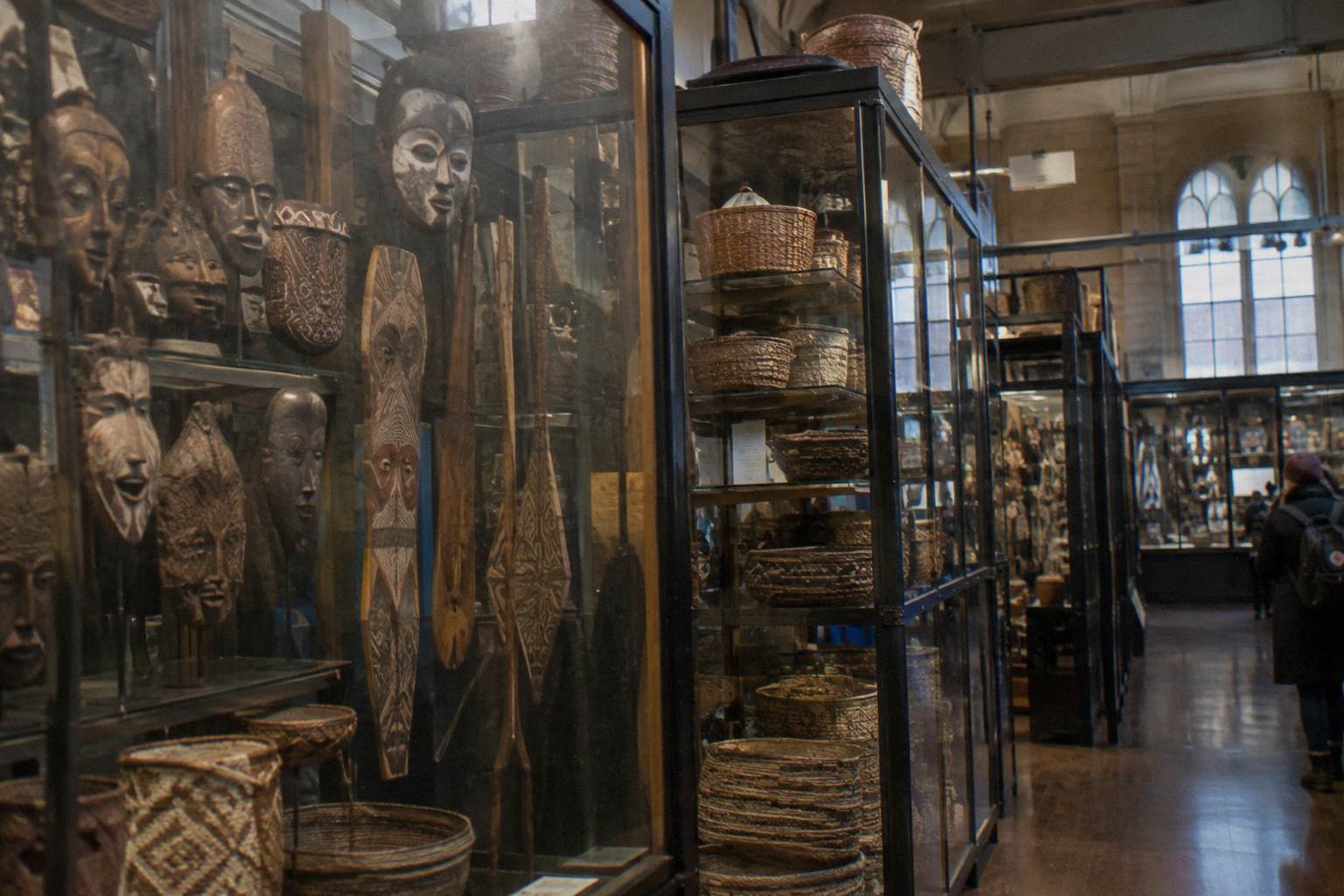
The Pitt Rivers is the mood piece. Its galleries are dim, packed and labelled by hand, and the building it shares with the Natural History museum means one visit covers two very different experiences: courtly science upstairs, cabinet-of-curiosities ethnography behind it. Families with children tend to anchor on the natural history half, with its skeletons and dinosaur material, and the shared door makes the combination the best child-facing free stop in the city.
| If You Want | Go To | Why |
|---|---|---|
| A full morning of world collections | Ashmolean | Largest free museum, widest range |
| Atmosphere and strange objects | Pitt Rivers | Dense cases, masks, totems |
| A visit that works for children | Natural History | Skeletons and dinosaurs, shared door |
| A short hour well spent | History of Science | Compact building on Broad Street |
| Contemporary art | Modern Art Oxford | Free contemporary gallery near Carfax |
| The city, not the University | Museum of Oxford | Civic story inside the Town Hall; normally ticketed, adults GBP 4, free entry days 2026 |
Short on time, the History of Science Museum is the efficient pick. It sits on Broad Street, steps from the Weston Library, so it slots between other stops rather than requiring a trip. Modern Art Oxford and the Museum of Oxford suit a second day or a rainy afternoon, one for contemporary shows and one for local history (the Museum of Oxford is normally ticketed, adults GBP 4). And on a wet day the whole set earns its keep, which the site covers in its piece on free things to do in Oxford on a rainy day.
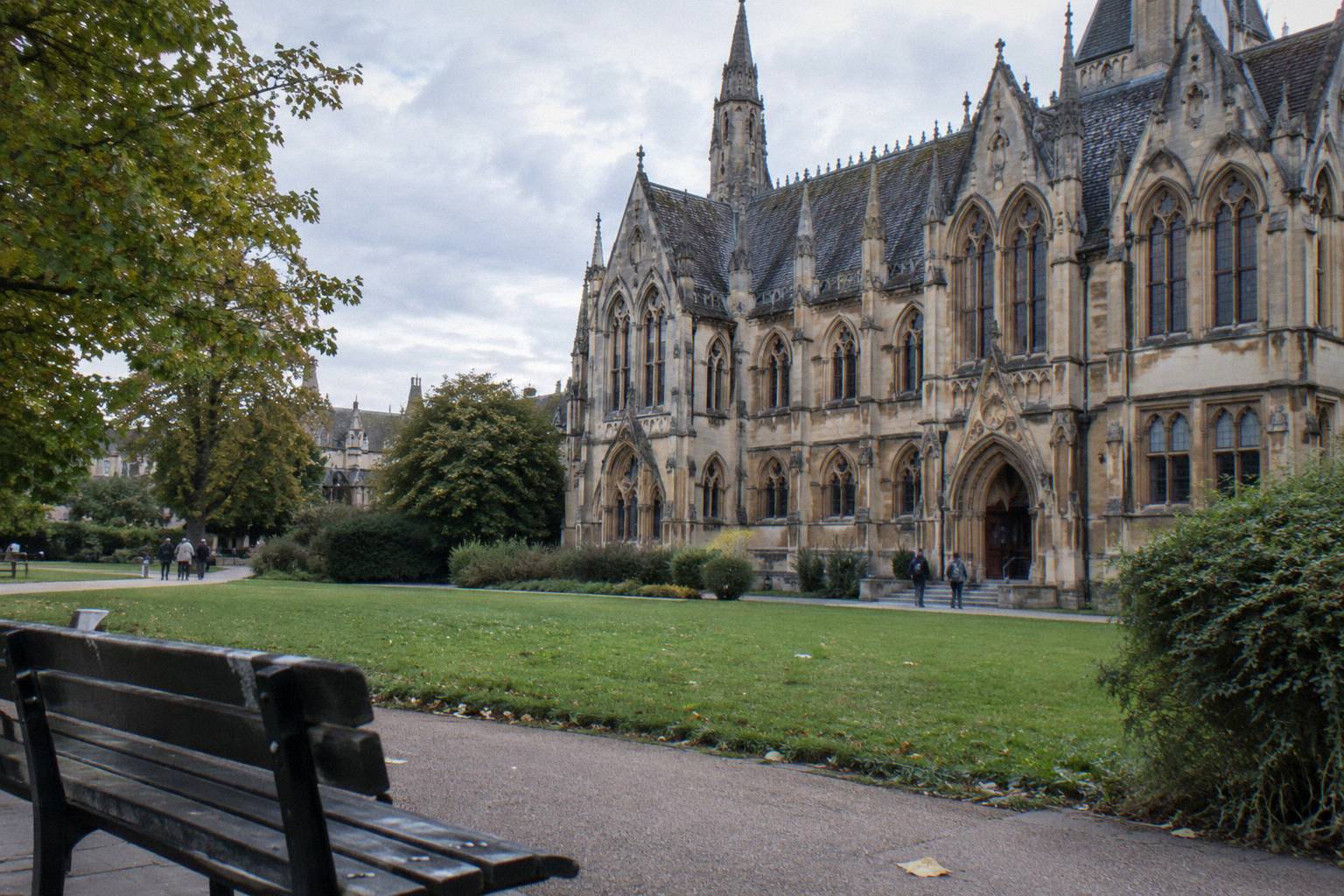
It is also worth sequencing the five by energy rather than by ranking. The two big University collections, the Ashmolean and the Parks Road pair, each deserve a block of hours; the two smaller ones, the science museum and Modern Art Oxford, each work in under an hour. A day that pairs one big block with one or two small stops reads better than a day that attempts all five, and since every door is free, cutting one costs nothing but a walk.
Which Free Walking Tours Cover This?
Four free walking tours run in English on GuruWalk, and all of them move through the centre where the museums sit. Three meet on Broad Street, at either the Weston Library steps or the Oxfam shop at number 17, and one meets at the Martyrs' Memorial on Magdalen Street, a street away from the Ashmolean. Each is free to join with no fixed fee, reserved on GuruWalk, and the guide is paid in tips.
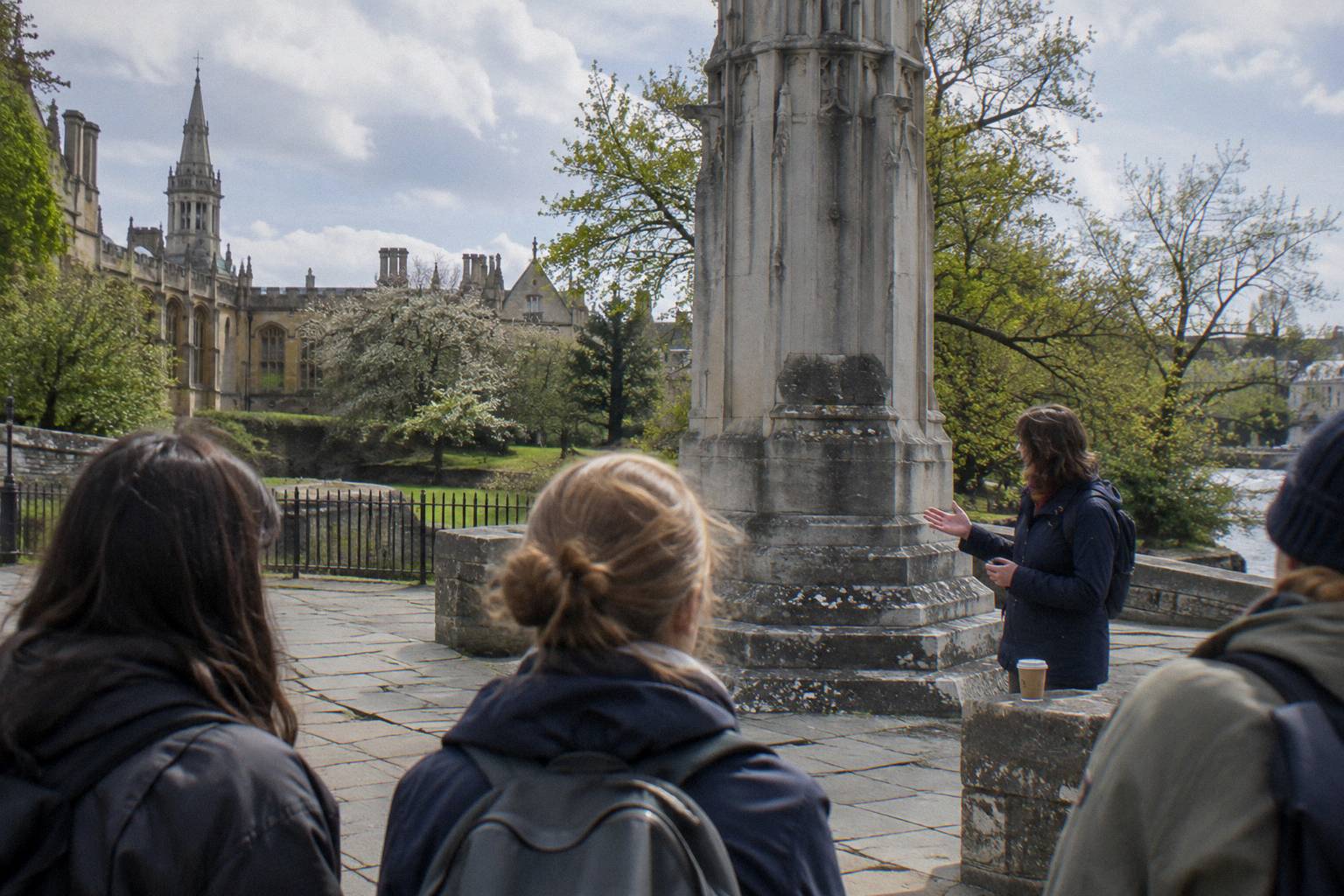
The walk with the deepest review pool is the Town And Gown History Walk, led by David, rated 4.97 out of 5 across 148 GuruWalk reviews. It runs two hours in English and meets at the Weston Library steps on Broad Street, which places its start directly beside the History of Science Museum and a short walk from the Ashmolean's quarter. Its theme is the town and the gown together, the civic and university halves of the city, which is the same split the free museums embody: University collections on one side, the Museum of Oxford on the other.
The University And Colleges Walk, led by Iryna, is rated 4.47 out of 5 across 15 GuruWalk reviews and runs two hours in English from the Martyrs' Memorial at the junction of St Giles', Magdalen Street and Beaumont Street. That meeting point faces the Ashmolean across Beaumont Street, making it the natural pairing for a museum-first day. The Bilingual Walk, 1 Hour 30, led by Michael, is rated 4.47 out of 5 across 17 GuruWalk reviews, runs in English and Italian, and meets at the same Weston Library steps. Its shorter length suits a day where the museums carry most of the schedule.
A fourth walk, the Student's Tour, 2 Hours, led by Kailin, runs in English, meets at the Oxfam shop at 17 Broad Street, and is rated 4.2 out of 5 across 5 GuruWalk reviews. Its GuruWalk page carries the details. None of these walks enters a paid college, the Bodleian or the Radcliffe Camera; they start at street level and move through the centre, leaving the museum doors to you.
| Walk | Guide | Rating And Reviews | Duration | Language | Meets At |
|---|---|---|---|---|---|
| Town And Gown History Walk | David | 4.97 out of 5, 148 reviews | 2 hours | English | Weston Library steps, Broad Street |
| Bilingual Walk, 1 Hour 30 | Michael | 4.47 out of 5, 17 reviews | 1 hour 30 | English and Italian | Weston Library steps, Broad Street |
| University And Colleges Walk | Iryna | 4.47 out of 5, 15 reviews | 2 hours | English | Martyrs' Memorial, Magdalen Street |
| Student's Tour, 2 Hours | Kailin | 4.2 out of 5, 5 reviews | 2 hours | English | Oxfam shop, 17 Broad Street |
Comparing the walks by duration and language is straightforward. Two run two hours, one runs one hour thirty, and one of them, the Bilingual Walk, runs in Italian as well as English, the only walk in the city's set to do so. Three meeting points sit on Broad Street, two at the Weston Library steps and one at the Oxfam shop, with the fourth at the Martyrs' Memorial. For a museum day, the choice reduces to which door you want to start nearest: the science museum and the library quarter on Broad Street, or the Ashmolean on Beaumont Street.
| Meeting Point | Walks There | Nearest Free Museum |
|---|---|---|
| Weston Library steps, Broad Street | Town And Gown History Walk; Bilingual Walk, 1 Hour 30 | History of Science Museum |
| Oxfam shop, 17 Broad Street | Student's Tour, 2 Hours | History of Science Museum |
| Martyrs' Memorial, Magdalen Street | University And Colleges Walk | Ashmolean |
The durations matter more here than they might on a standard city break, because the museums are competing for the same hours. A two-hour walk plus the Ashmolean plus the Parks Road pair is a full and satisfying day. A visitor who wants all five museums should treat the walks as a different day's activity, or take the ninety-minute Bilingual Walk precisely because it returns the other ninety minutes to the galleries. Italian speakers get the same option in their own language, which no other walk on the city's roster offers.
Mistakes That Trip People Up At Oxford's Free Museums
The common mistakes are assuming the Ashmolean's ticketed exhibition means the whole museum charges, expecting the Radcliffe Camera or the colleges to be free because the museums are, planning the Pitt Rivers as a quick stop when it shares a building with Natural History, and turning up at Christ Church expecting the free meadow and the paid college to be the same thing. Each mistake comes from merging two separate facts into one.
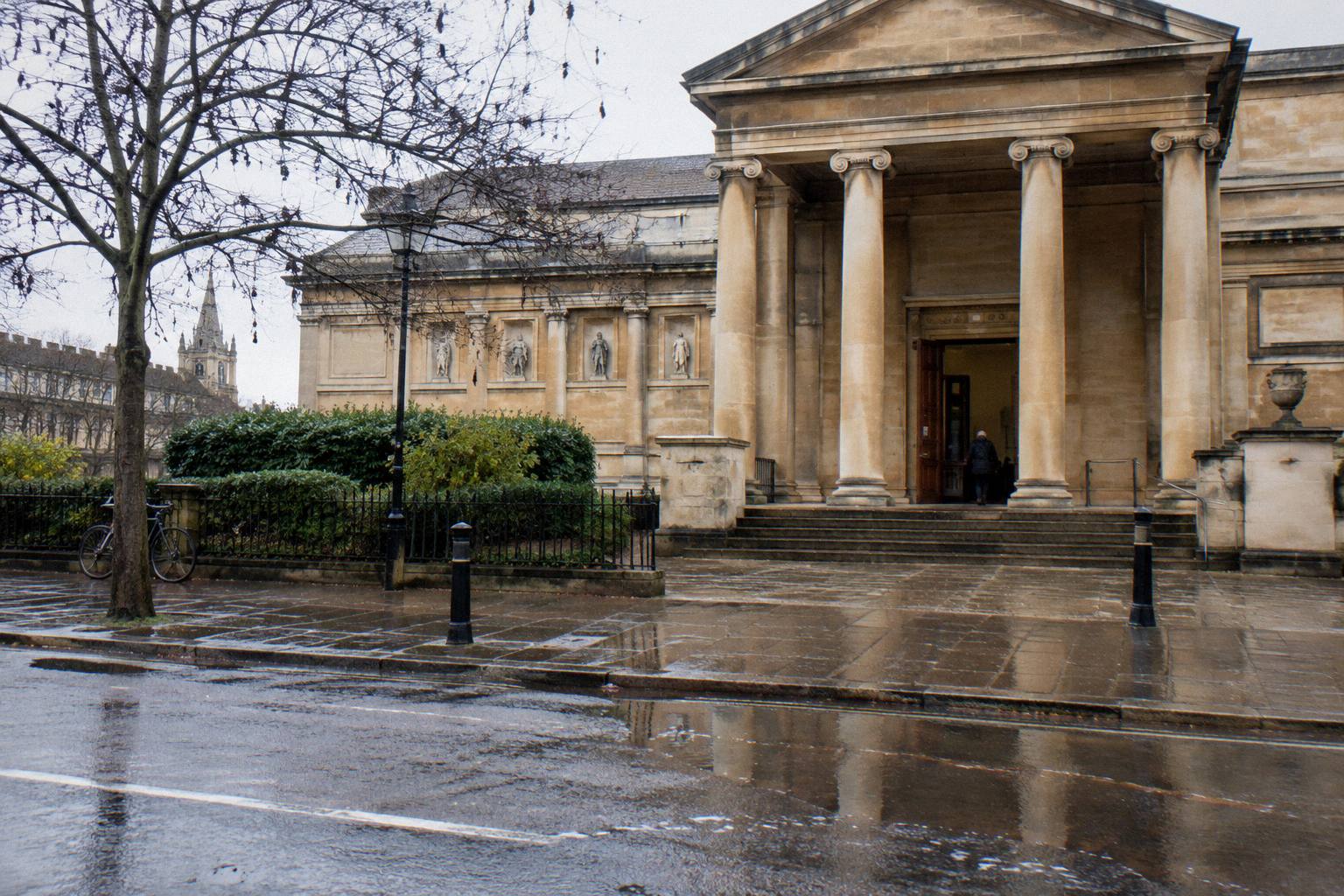
The first mistake is treating "the Ashmolean has a ticketed exhibition" as "the Ashmolean costs money". The permanent galleries are free, and the special exhibition is an optional basement add-on. Visitors who hear "ticketed" and cross the museum off a free list lose the largest free collection in the city for the sake of one optional show. The correction is simple: walk in, and decide about the exhibition at the desk.
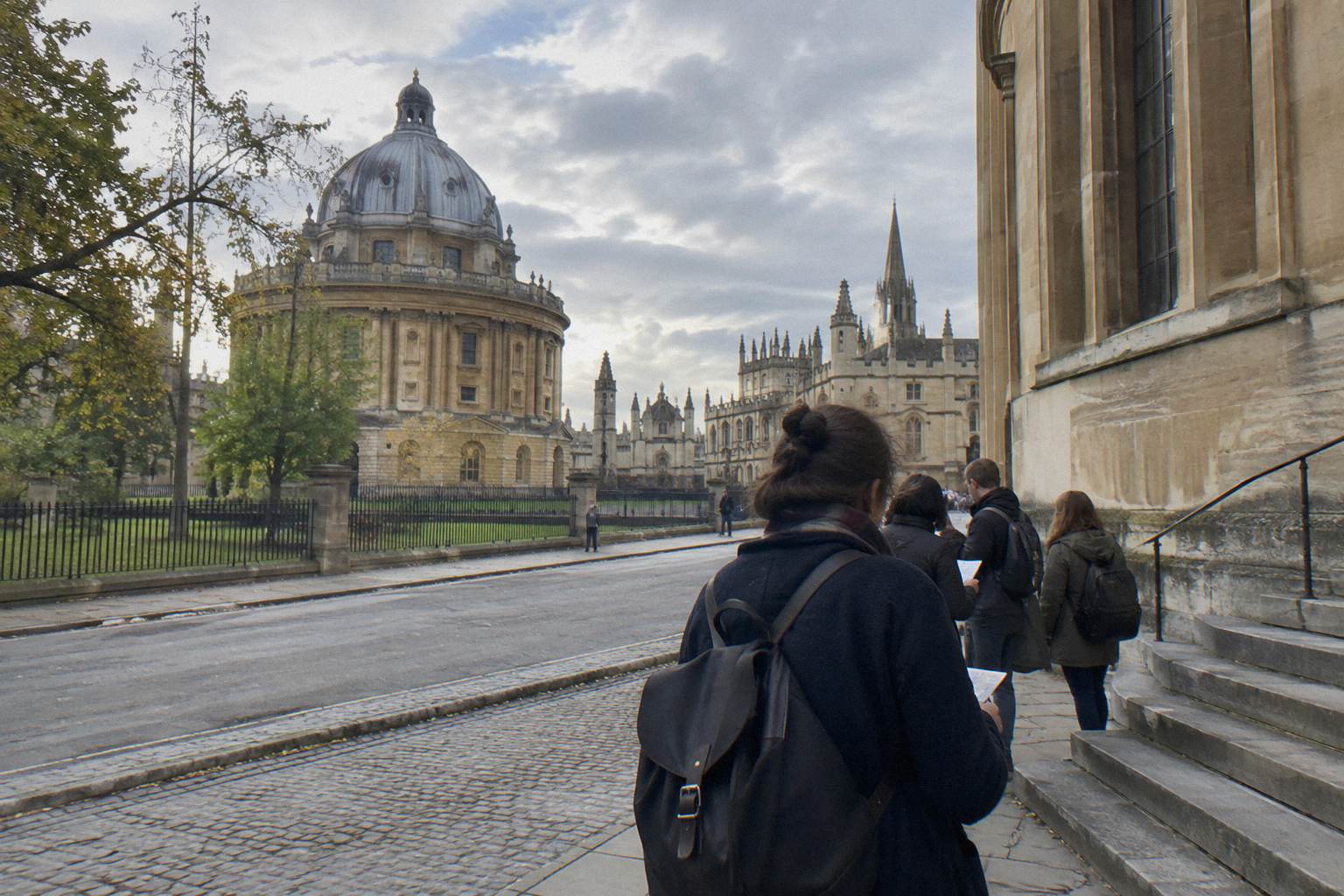
The second is the reverse error, assuming the free-entry rule spreads to the neighbours. The University Church is free to enter but its tower climb is ticketed. Christ Church Meadow is a free walk; Christ Church college and cathedral need a paid timed ticket. The Radcliffe Camera is free to look at from Radcliffe Square, but going inside is tour-only. Every one of these is two facts, and merging them in either direction produces a wrong plan.
The third mistake is under-planning the Parks Road pair. The Pitt Rivers and the Natural History museum share one building and one free door, and visitors who schedule them as separate stops usually find the second half squeezed. Treat them as one long visit with two very different halves. The fourth mistake is expecting a free walk to cover the museum interiors. The GuruWalk walks meet at street points and pass through the centre; the museums are your own visits, and the walks' pages claim no interiors.
| Mistake | The Two Facts People Merge |
|---|---|
| "The Ashmolean charges" | Permanent galleries free; special exhibition ticketed |
| "The church tower is free" | Church free to enter; tower climb |
| "Christ Church is free like the meadow" | Meadow free; college and cathedral paid timed ticket |
| "The walks cover the museums" | Walks meet at street points; museums are self-guided |
A final planning note. The museums' opening days differ from their prices: each sets its own schedule on its own page, and the University collections close on different days from the civic ones. Check the museum's own site before locking an itinerary, especially for the smaller buildings, and treat the free walking tours as the flexible layer of the day rather than its skeleton. A walk that starts at the Weston Library steps can begin or end beside the science museum; the Ashmolean pairs with the memorial; the Parks Road pair stands on its own to the north. The free framework holds together as long as each fact stays separate from its neighbour.
Common Questions About Free Museums In Oxford
Which Museums In Oxford Are Free To Enter?
Five museums charge nothing for general entry: the Ashmolean, the Pitt Rivers, the Oxford University Museum of Natural History, the History of Science Museum and Modern Art Oxford. The Museum of Oxford is normally ticketed (adults GBP 4, children 5 to 17 and students GBP 2, under 5s free), with free entry days in 2026 on 21 March, 13 June, 4 July, 12 September and 14 November. The Pitt Rivers and the Natural History museum share one building on Parks Road, so one free door covers both collections.
Is The Ashmolean Free Or Does It Cost Money?
The Ashmolean's permanent galleries are free to enter. Its major special exhibition is separately ticketed, and the price changes with each show, so check the museum's own page for the current figure. Skipping the exhibition still leaves you the largest free collection in the city.
Do You Need To Book Tickets For Oxford's Free Museums?
No ticket is needed for general entry at any of the five free museums. You walk in. The only booking inside them concerns the Ashmolean's special exhibition, and for current shows the museum's own page is the place to look up current shows and any timed entry.
Can A Free Walking Tour Replace A Museum Visit?
No, and none of the walks claims to. The free walks on GuruWalk start at street meeting points and pass through the centre; they do not enter the museums, the colleges or the Bodleian. Pair a two-hour walk with your own museum visits either side of it, which the Broad Street meeting points make easy.
Which Free Museum Is Best For Children?
The Oxford University Museum of Natural History, with its skeletons and dinosaur displays, is the child-facing pick, and it shares a building with the Pitt Rivers so one visit covers two museums. The History of Science Museum on Broad Street works as a shorter stop, with scientific instruments in a compact building.
What Else Nearby Is Mistaken For A Free Museum?
The University Church is free to enter but its tower climb is ticketed. The Radcliffe Camera is free to look at from Radcliffe Square, but going inside is tour-only. Christ Church Meadow is free, while the college and cathedral need a paid timed ticket. Each is two facts, not one free fact.