Is Oxford Open Doors Free? What To Know Before You Plan A Route
Oxford Open Doors opens buildings across the city for free. What the event covers, how to plan a route, and which free walking tours fit around it.
In Short
The event itself costs nothing: Oxford Open Doors opens buildings across the city for free, and the 2026 edition put 136 sites open at no charge. The next set of dates has not been announced, so nothing can be planned against a calendar yet. Entry fees that normally apply at colleges and other buildings are waived for the event. A free GuruWalk walking tour on another day, or early in the same day, covers the streets between the buildings.
This question sits inside the colleges open to tourists guide, which explains which colleges charge and which admit visitors on an ordinary day. Open Doors is the one weekend a year when much of that page is turned on its head.
What Is The Short Answer?
Yes, Oxford Open Doors is free to enter. The event opens buildings that are normally closed, restricted or ticketed, and the 2026 edition made 136 sites available at no charge. The complication is timing: the dates for the next edition have not been announced, so a route can be sketched but not booked against a calendar. Buildings that normally charge admission generally waive it for the event.
The event's whole idea is access. On an ordinary weekday, a visitor to Oxford meets a city of closed doors: college gates with porter's lodges, university departments behind keypad entries, private halls and society buildings that only members see. Open Doors, one weekend a year, unlocks a large slice of that stock and lets anyone walk in. The 2026 edition reached 136 free sites, which is a scale no ordinary visiting day comes close to. A tourist walking the centre on a normal Saturday can enter a handful of college quadrangles and the free museums; on an Open Doors weekend the count runs into three figures.
Two clarifications keep expectations honest. First, free means free entry to the buildings taking part. It does not mean every building in Oxford is open, and it does not mean commercial attractions drop their prices. The event is about buildings that are normally shut, not about discounts at sights that already sell tickets. Second, the announcement problem is real. The 2026 dates were published by the organisers ahead of that year's event; the dates that follow have not been announced, and any page that prints a firm date for the next edition is ahead of what the organisers have said. Planning before the announcement means planning the shape of a day, not the schedule of one.
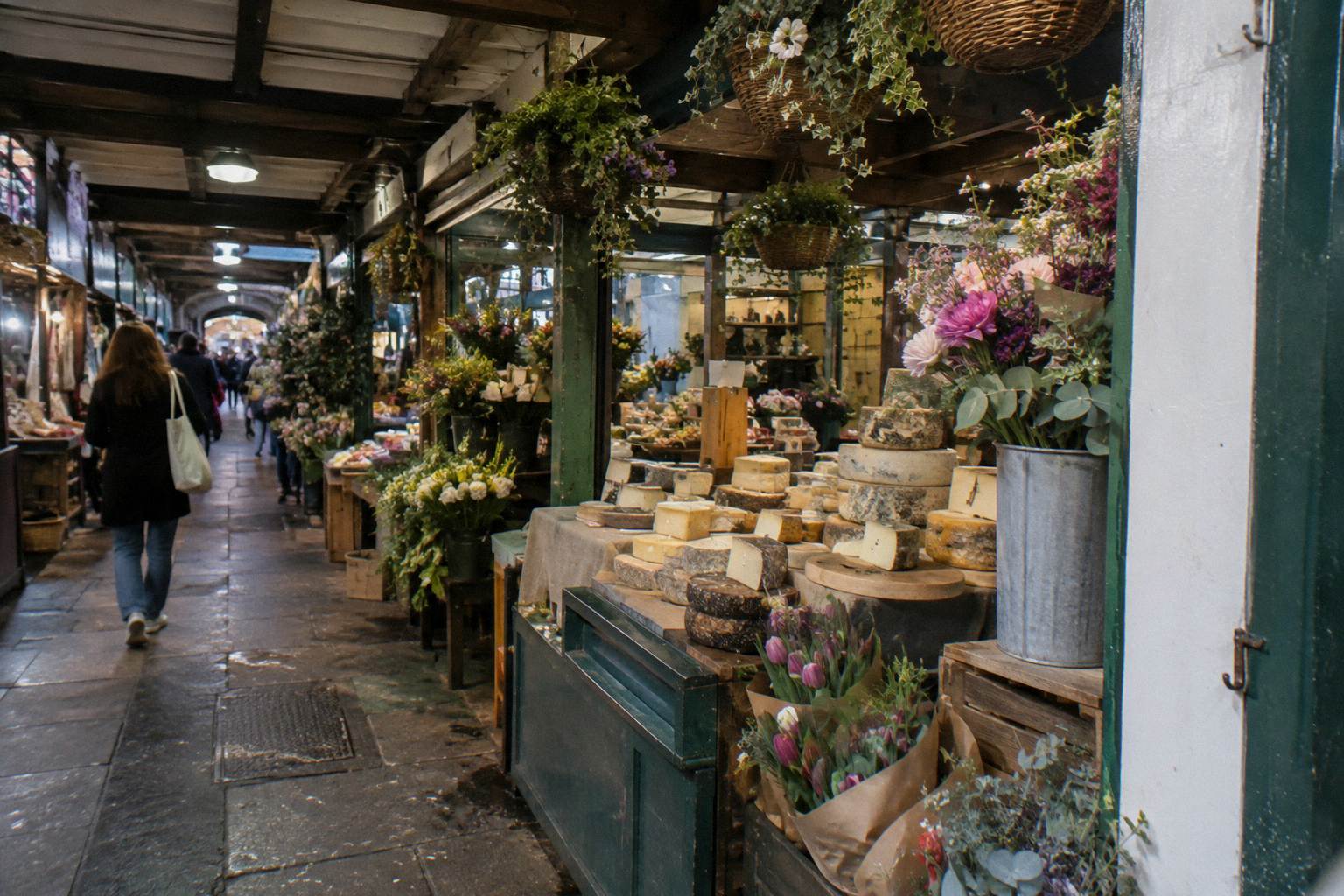
It also helps to know what Open Doors is not. It is not the same thing as the everyday free access Oxford already offers. The Ashmolean, the Pitt Rivers Museum, the Oxford University Museum of Natural History, the Museum of the History of Science and Modern Art Oxford are free to enter on any ordinary opening day, with the Ashmolean's major special exhibitions ticketed separately, as the Ashmolean guide explains. The Museum of Oxford is normally ticketed (adults GBP 4). A visitor who arrives on a non-event weekend still has a genuinely free city: the museums above, Radcliffe Square, Christ Church Meadow, Port Meadow and the Covered Market's walkways all cost nothing.
The table below is the short version of everything above.
| Question | The short answer |
|---|---|
| Does Open Doors cost anything? | No. Entry to participating buildings is free. |
| How many sites opened in 2026? | 136 free sites. |
| Are the next dates known? | No, the next dates have not been announced. |
| Does every Oxford attraction join in? | No. The event covers participating buildings, not commercial sights. |
| Can you see Oxford free without the event? | Yes, the free museums, squares, meadows and markets are free year in, year out. |
The practical takeaway is simple. Treat Open Doors as a bonus weekend that multiplies what you can enter, and treat the rest of the year as already generous. If your trip lands on the event weekend, you get the doors. If it does not, the free layer of the city is still there, and four free walking tours on GuruWalk run through the centre regardless.
Which Buildings Open?
The list varies by year, but the pattern is consistent: colleges that normally charge or restrict entry, university departments and libraries, private halls, society buildings, churches and civic buildings. In 2026, 136 sites took part. Buildings that are hard to enter the rest of the year, including colleges with paid admission, are the core of the draw. The full list is published by the organisers per edition, once dates are announced.
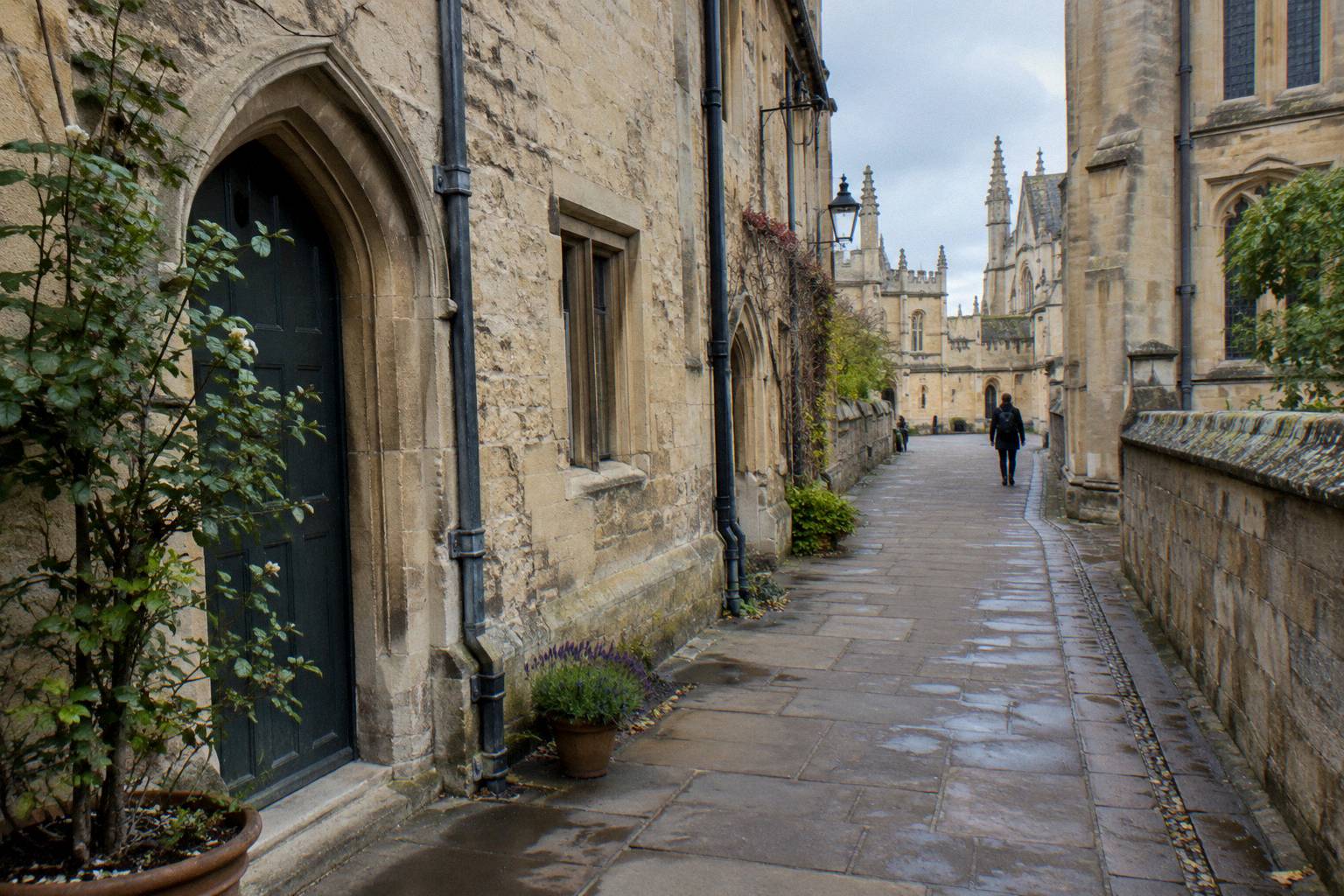
The core attraction is the college stock. On a normal day, most Oxford colleges charge admission, close to visitors in term time, or do not admit casual visitors at all. Magdalen charges GBP 10, Merton GBP 5, Trinity GBP 7 and Balliol GBP 6 for visitor entry, with the University's own pages stating the per-college rules at ox.ac.uk's visiting colleges page. During Open Doors, participating colleges typically waive those fees and open rooms that no ticket buys on other weekends: halls, chapels, staircases and private quadrangles. That is the value of the event in one sentence, a weekend when the paywall and the closed gate both come down.
Alongside the colleges come the institutional buildings. University departments, scientific institutes, historic libraries and administrative buildings that have no public function on ordinary days join the list, and these are often the sites people cannot enter by any other means. There is no everyday ticket, at any price, into most of them. Civic and religious buildings round out the programme. For a visitor whose main interest is architecture rather than academia, these can be the highlights, since the event is the only reliable moment the doors stand open.
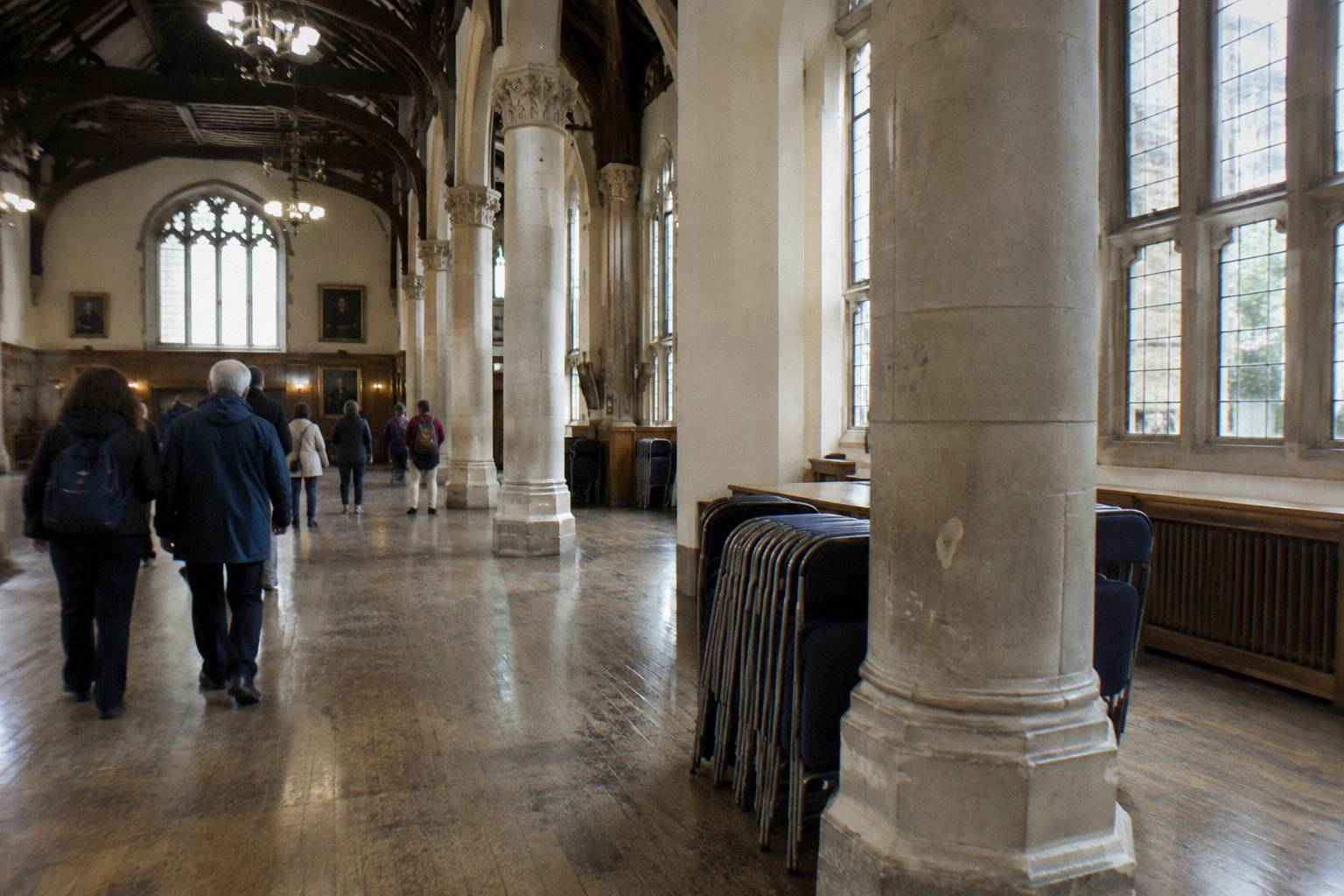
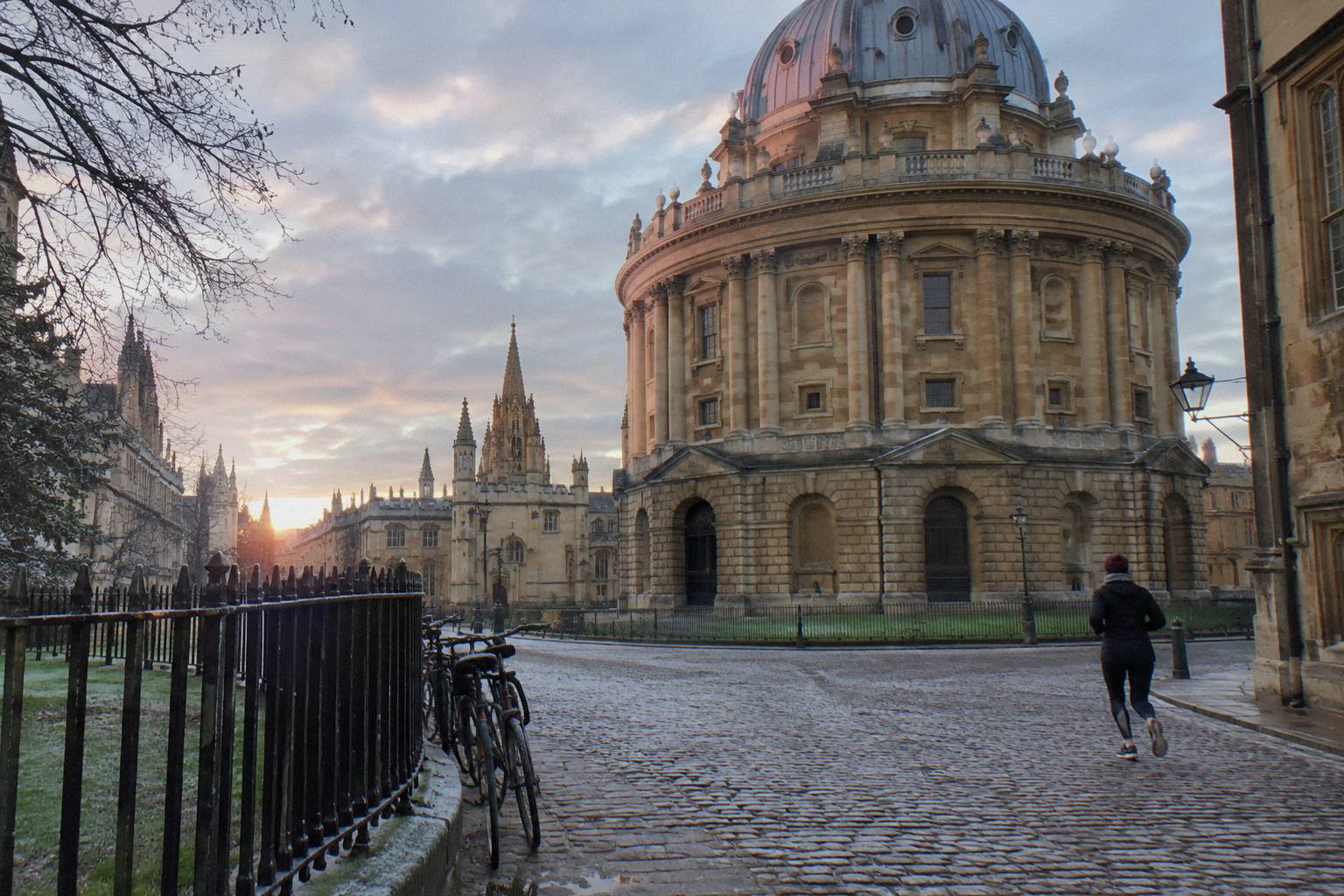
One honest note on the two-part sights. Several Oxford landmarks are free in one part and paid in another on normal days, and Open Doors can change the paid half for the weekend. The University Church of St Mary the Virgin is free to enter any day but charges GBP 7 for its tower; Christ Church Meadow is always free while Christ Church college and cathedral need a paid timed ticket; the Radcliffe Camera can be viewed freely from Radcliffe Square but entered only on a tour. Which of these participate, and on what terms, is per-edition information published with the programme. Do not assume the tower or the cathedral joins in just because the church or the meadow is free.
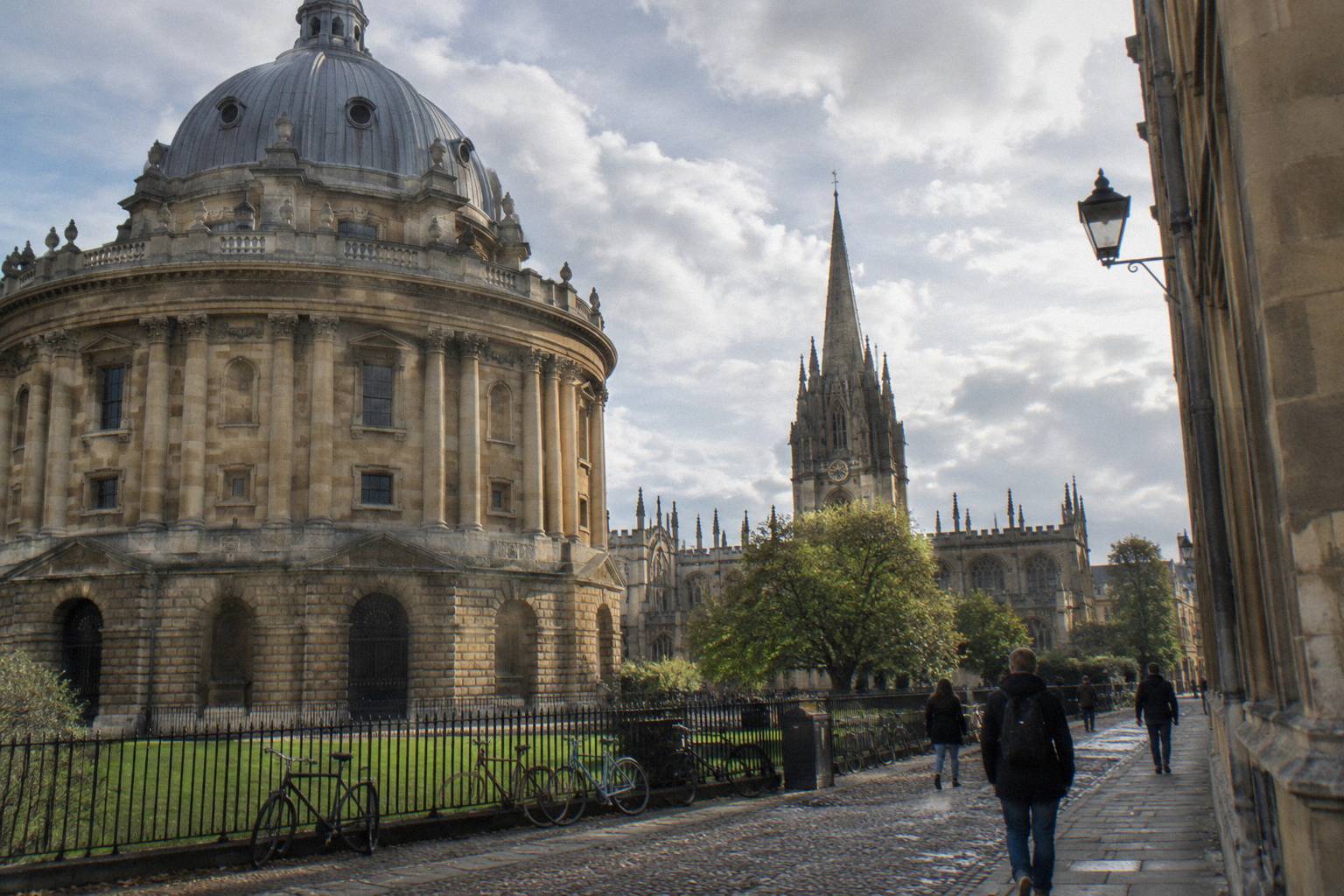
The scale point is worth absorbing. A dedicated visitor on a normal day, moving fast and paying entry fees, might see five or six interiors. An Open Doors weekend in 2026 offered 136 sites. No one gets round 136 buildings in two days, and that is precisely why the route question matters more than the access question. The access is solved by the event. The bottleneck is geography and time.
How Do You Plan A Route?
Plan the shape, not the schedule, until the organisers announce the next dates. Group target buildings by area, cap the day at four to six interiors, and keep the free layer of the city, the museums, squares and meadows, as filler between booked slots. Once the programme is published, read which sites need booking and which allow drop-in, and lock the bookable ones first.
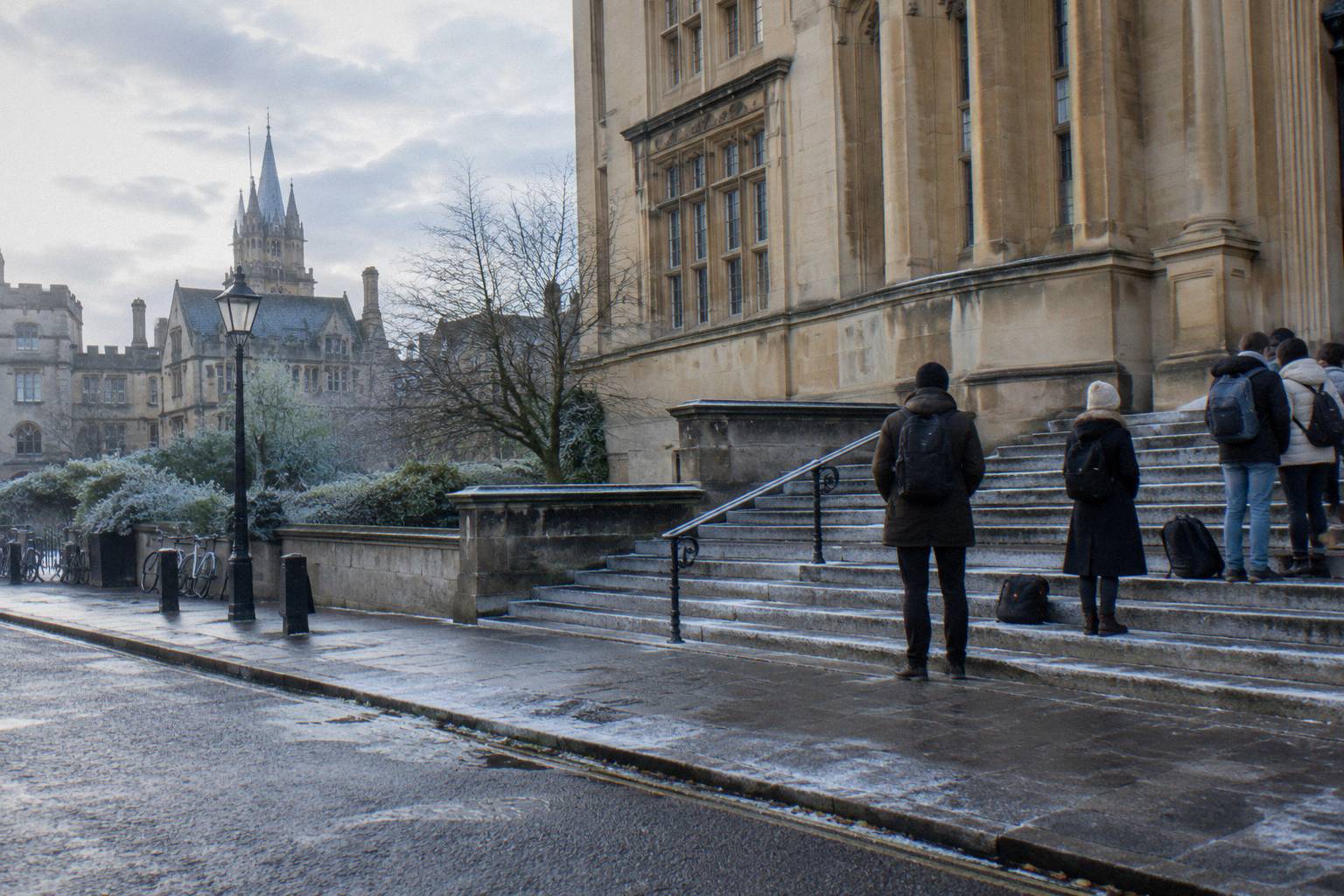
The first principle is clustering. Oxford's centre is compact, but 136 sites spread across it cannot be walked in a line. Build the day around one or two anchor buildings, a college you most want to see, a hall or a library, and fill the gaps with sights that need no plan at all. Radcliffe Square, the Bodleian's exterior, the Sheldonian, the Bridge of Sighs and Carfax all sit in a walkable core and cost nothing to look at. Christ Church Meadow and Port Meadow add riverside walking at the edges. On an event weekend, the free-and-open streets between closed-and-opening buildings are the joints of the route. Other pages covering the same trip are gathered on Free Things To Do In Oxford.
The second principle is prioritising the unbookable-any-other-way. A college that charges GBP 10 on a normal Saturday is worth an Open Doors slot mainly if it also opens interiors it never sells. A building with no public access at all, a private hall, a department, a society building, is worth more, because this is the only weekend it exists as a sight. When the programme lands, sort it that way: unique access first, waived fees second, always-free buildings last. The museums need no slot at all; they are free every day, and squeezing them into a rare weekend of open doors wastes it.
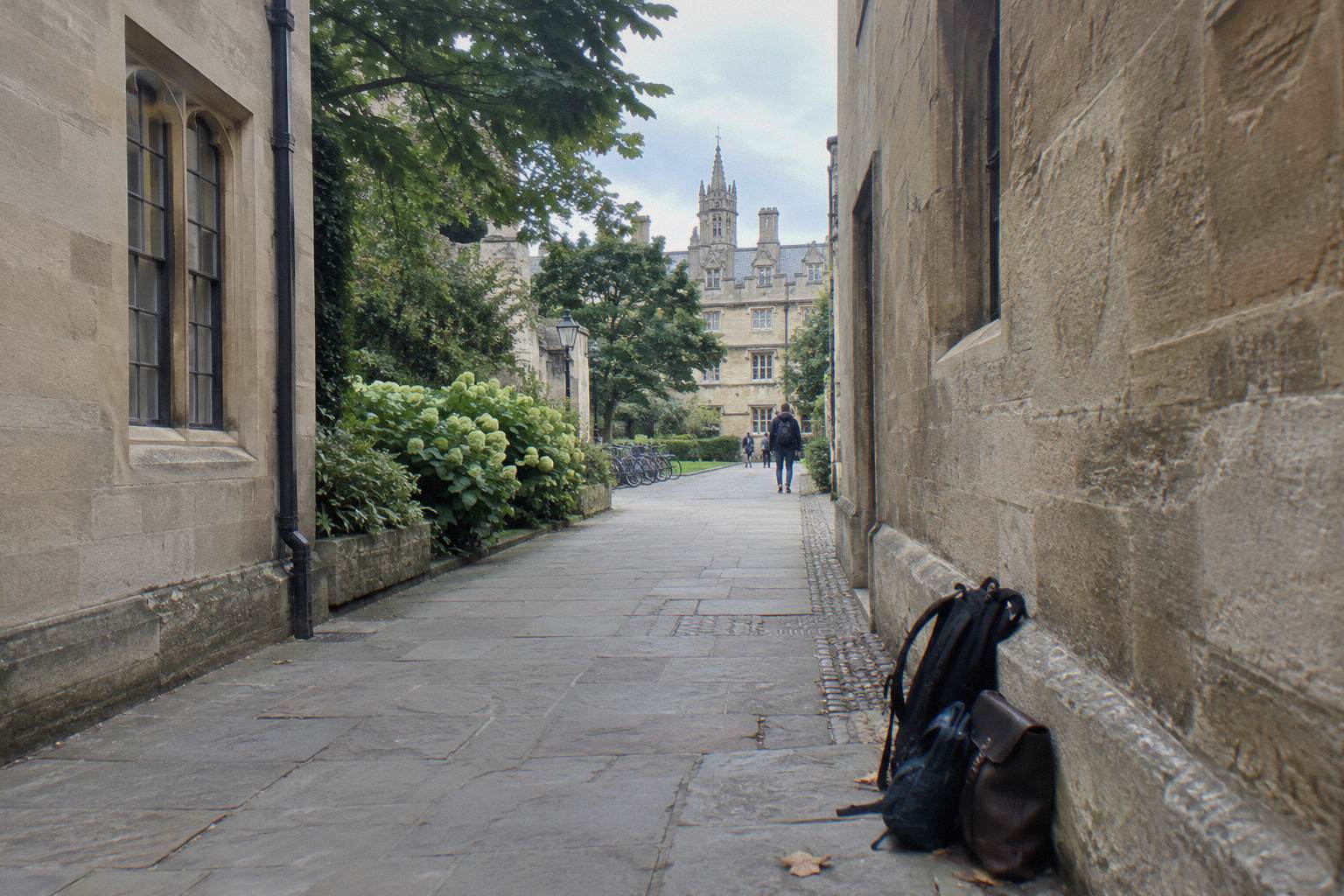
The third principle is capacity honesty. A realistic day is four to six building interiors, not fifteen. Interiors take time: a college's quad, hall and chapel together fill a good stretch of a visit once you are inside, and popular sites draw queues that the event itself creates. Build one anchor per half-day, a walkable backup beside it, and leave slack. The visitors who enjoy the weekend most are the ones who treat the programme as a menu, not a checklist.
| Route building block | What it is | Needs booking? |
|---|---|---|
| Anchor building | The one interior you most want, chosen for access you cannot buy otherwise | Check the programme when published |
| Backup building | A second participating site in the same street or square | Check the programme when published |
| Free filler | Museums, Radcliffe Square, Christ Church Meadow, Port Meadow | No, free on any day |
| Street layer | Broad Street, High Street, Carfax, the Covered Market's walkways | No, public streets and spaces |
Two timing facts sharpen the plan. Some participating sites run guided visits on the day rather than open access, and those visits are the scarce commodity once bookings open. And the event weekend concentrates visitors: the same free streets that are quiet on a Tuesday are busy when 136 doors open at once. Early slots at the anchors, then a drifting afternoon through the free layer, is the pattern that survives contact with reality.
Which Free Walking Tours Cover This?
Four free walking tours on GuruWalk run in Oxford, all in English, with one also running in Italian. None of them is an Open Doors programme: they are street-level walks that start at a central meeting point and pass through the centre. On an event weekend, a morning walk works as orientation before an afternoon inside buildings, and the walks run year-round when the doors are shut.
The walks, in roster order. The Town And Gown History Walk runs 2 hours in English, meets at the Weston Library steps on Broad Street, and is rated 4.97 out of 5 across 148 GuruWalk reviews, the largest review pool of the four. The Bilingual Walk, 1 Hour 30 runs an hour and a half in English and Italian from the same Weston Library steps, rated 4.47 out of 5 across 17 GuruWalk reviews. The University And Colleges Walk runs 2 hours in English from the Martyrs' Memorial at the junction of St Giles', Magdalen Street and Beaumont Street, rated 4.47 out of 5 across 15 GuruWalk reviews. The Student's Tour, 2 Hours runs 2 hours in English from the Oxfam shop at 17 Broad Street, rated 4.2 out of 5 across 5 GuruWalk reviews.
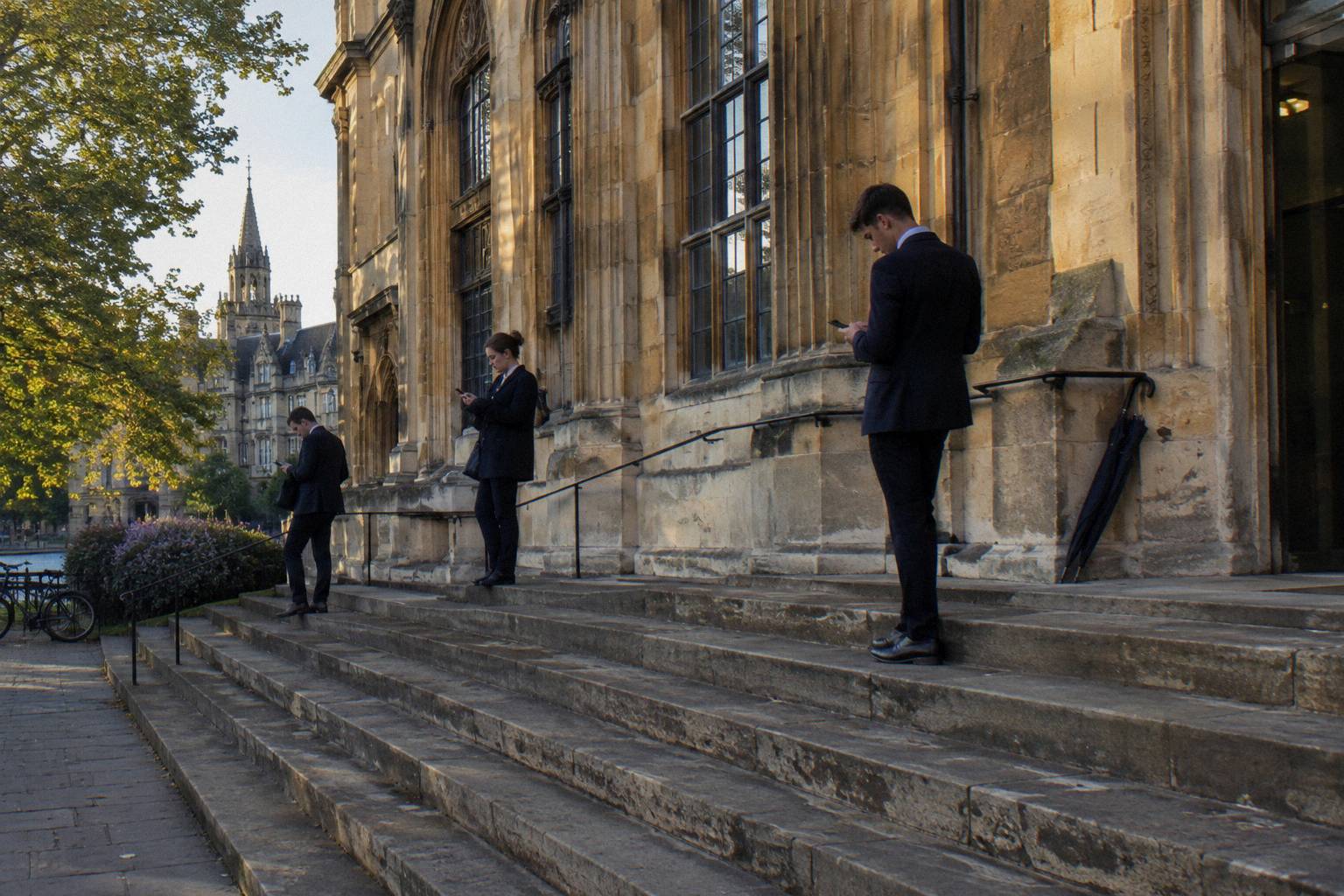
What these walks do and do not do matters for an Open Doors plan. They are free to join, pay what you want, reserved on GuruWalk, and every one of them is run by an independent local guide. None of them enters the paid colleges, the Bodleian, the Radcliffe Camera or Christ Church: a walk starts at its meeting point and passes through the centre, and a walk's own GuruWalk page says what it covers. So a walking tour is not a substitute for the event, and the event is not a substitute for a walk. The walk gives you the street-level story on a route you would otherwise walk past; Open Doors gives you the interiors no walk can take you into.
For an Open Doors weekend specifically, the Town And Gown History Walk is the natural pairing. It has the largest review pool of the four, with 148 reviews behind its 4.97, it meets on Broad Street which is itself in the middle of the event's densest area, and its two hours in English sit comfortably before an afternoon of interiors. Two other walks meet on Broad Street, two of them at the same Weston Library steps, so the street works as a morning base either way.
If the weekend is tight, the short option is the Bilingual Walk, 1 Hour 30, the hour-and-a-half walk in English and Italian from the Weston Library steps, which leaves more of the day for buildings. If the colleges are the reason you came, the University And Colleges Walk from the Martyrs' Memorial walks the college quarter's streets, though like every walk here it does not go inside the paid colleges.
| Walk | Language | Duration | Meets at | Rating on GuruWalk |
|---|---|---|---|---|
| Town And Gown History Walk | English | 2 hours | Weston Library steps, Broad Street | 4.97 out of 5, 148 reviews |
| Bilingual Walk, 1 Hour 30 | English and Italian | 1 hour 30 | Weston Library steps, Broad Street | 4.47 out of 5, 17 reviews |
| University And Colleges Walk | English | 2 hours | Martyrs' Memorial, Magdalen Street | 4.47 out of 5, 15 reviews |
| Student's Tour, 2 Hours | English | 2 hours | Oxfam shop, 17 Broad Street | 4.2 out of 5, 5 reviews |
The combination that works best on an event weekend is a morning walk for the streets and an afternoon of booked interiors, and on any other weekend the same walk carries the day on its own, with the free museums and meadows filling the rest. Visitors weighing a guide against going alone can read the self-guided versus guided comparison before deciding, and the meeting points guide pins every start location in one place.
Mistakes That Trip People Up When Planning An Open Doors Route
The recurring mistakes are treating unannounced dates as fixed, assuming every college is open because some are, overloading the day with too many interiors, and confusing the event's free access with ordinary access. Each one is avoidable with one piece of discipline: plan from the published programme only, once it exists, and treat everything before that as sketching.
The first mistake is planning against a date that has not been announced. The 2026 edition ran with 136 free sites, but the dates that follow have not been announced, and any itinerary built on a guessed weekend is a guess. Until the programme is published, the only sound planning is conditional: this area, these anchors, this shape of day. Booking travel around an assumed Open Doors weekend is the costliest version of this mistake.
The second is assuming "the colleges are open." They are not, as a group, at any time of year. Most colleges charge, close in term, or admit no casual visitors: Magdalen, Merton, Trinity, Balliol, University College, Oriel and Jesus tours charge on normal days, while Pembroke, Worcester, Hertford and Queen's do not admit casual visitors at all. Open Doors opens the participating colleges for that weekend, not the category. The event programme, not a general rule, tells you which gates are open.
The third is overloading. 136 sites is a menu, not a mission. Four to six interiors is a full day, and the queue at the most famous door eats the hour you gave to two quieter ones. The fix is the anchor-plus-filler structure above, with the always-free layer, the museums at no charge per the free museums guide, absorbing the slack.
The fourth is expecting a free walking tour to open the doors. Every walk here runs at street level, starts at a meeting point and passes through the centre, and none goes inside the paid colleges, the Bodleian or the Radcliffe Camera. The walks and the event are complements, and the day that uses both, streets in the morning, interiors after, is the one that works.
Common Questions About Oxford Open Doors
Is Oxford Open Doors Free? What To Know Before You Plan A Route?
Yes, entry is free. The event opens normally closed or restricted buildings at no charge, and the 2026 edition put 136 sites open for free. The next dates have not been announced, so plan the shape of a route now and lock the schedule when the programme is published.
Do You Need To Book Oxford Open Doors In Advance?
Some participating sites run bookable guided visits and others allow drop-in, and the split is published with each edition's programme. Bookable visits are the scarce part once the programme goes live. Nothing can be booked before the dates are announced, so treat advance booking as a step for after publication.
Which Oxford Colleges Are Free During Open Doors?
Participating colleges waive their normal visitor fees for the event, and colleges that charge on ordinary days, including Magdalen, Merton, Trinity and Balliol, have joined in past editions. Which colleges take part in any given year is stated in that year's programme. On ordinary days, only some colleges admit walk-in visitors for free.
Can You Visit Oxford Colleges For Free Outside Open Doors?
Some, not all. All Souls, Lincoln, Corpus Christi, Keble, St John's, Wadham, Lady Margaret Hall and Brasenose admit walk-in visitors for free, at porter's discretion with their own hours. Magdalen, Merton, Trinity, Balliol, University College, Oriel and Jesus charge, and Pembroke, Worcester, Hertford and Queen's admit no casual visitors.
Does A Free Walking Tour Go Inside The Open Buildings?
No. The four free walks on GuruWalk run at street level from their meeting points and pass through the centre; none goes inside the paid colleges, the Bodleian, the Radcliffe Camera or Christ Church. A walk works well as morning orientation on an Open Doors weekend, with the afternoon given to the open buildings themselves.
Is Oxford Free To Visit If You Miss Open Doors?
Largely, yes. The Ashmolean, Pitt Rivers, Natural History, History of Science, and Modern Art Oxford are free to enter, with the Ashmolean's major exhibitions ticketed. The Museum of Oxford is normally ticketed (adults GBP 4) and free on set free entry days. Radcliffe Square, Christ Church Meadow, Port Meadow and the Covered Market's walkways cost nothing, and the free GuruWalk walks run year-round.