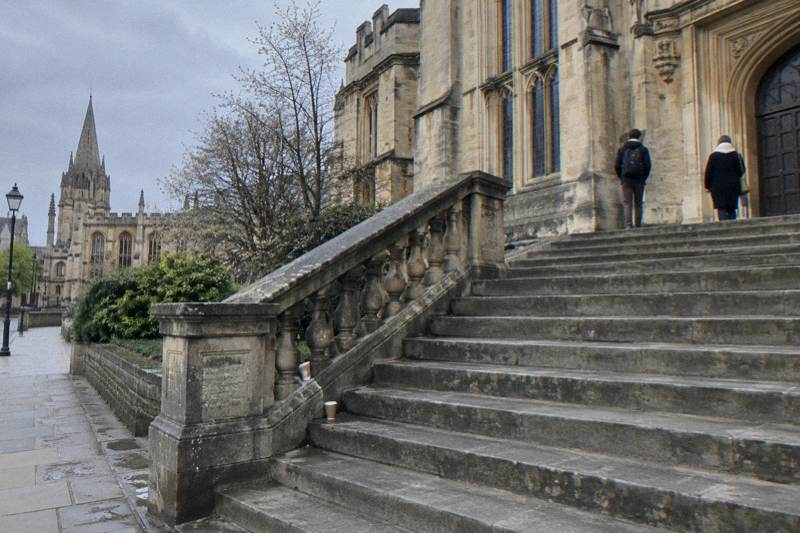
Is Oxford Walkable? What A Free Walking Tour Covers
How walkable Oxford really is, what a free walking tour on GuruWalk covers, which sights sit at street level without a ticket, and which parts of the city need planning.
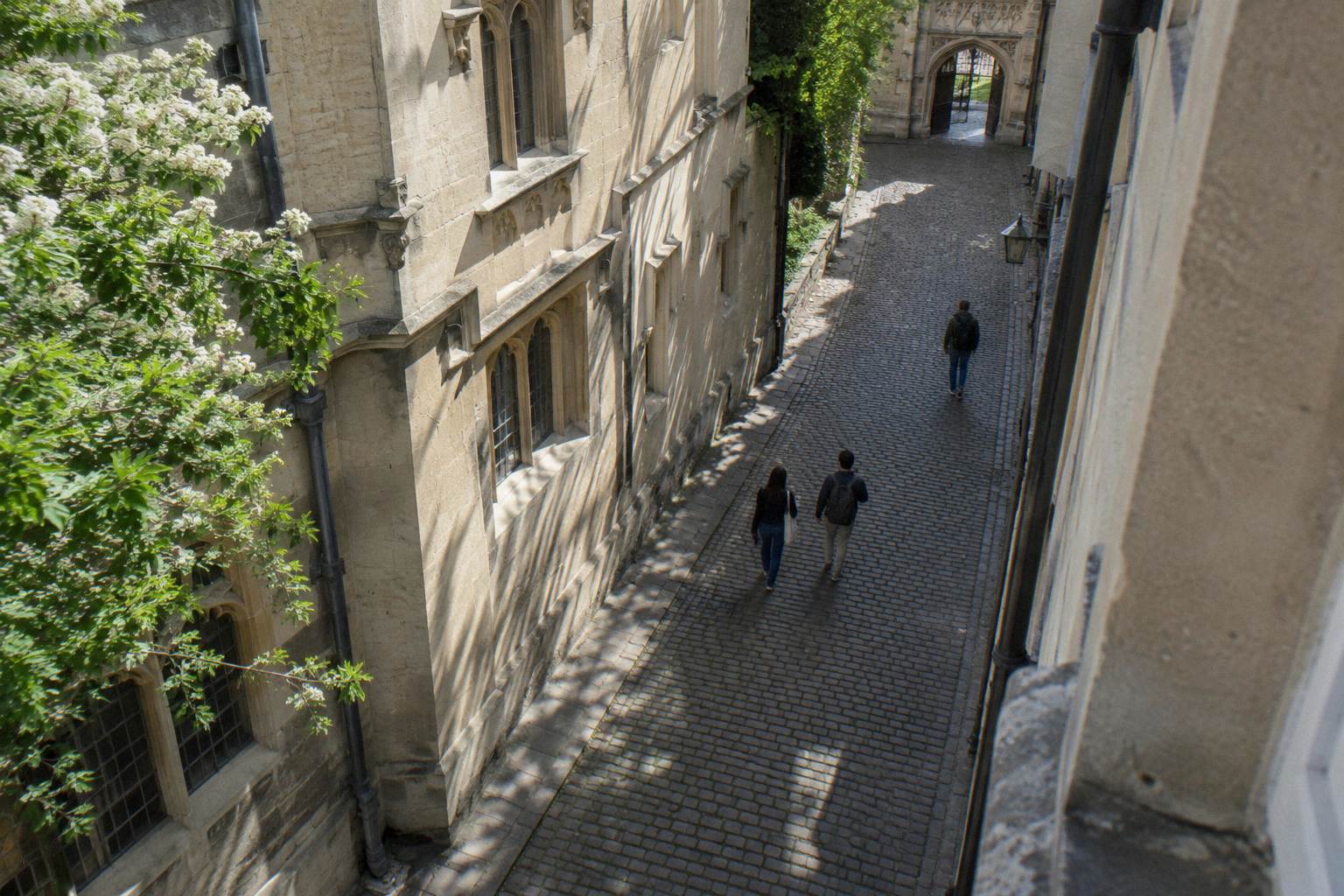
In Short
Yes, Oxford is walkable: the sights most visitors come for sit close together in and around the centre, and the four free walking tours on GuruWalk all cover that core on foot, in English, over one and a half to two hours. Three of the four meet on Broad Street and one meets at the Martyrs' Memorial on Magdalen Street. The walks stay at street level and do not enter paid colleges, the Bodleian or the Radcliffe Camera.
This question sits inside the free walking tour routes and maps guide.
Is Oxford Walkable? What A Free Walking Tour Covers
Yes, Oxford is walkable in the sense that matters to a visitor: the streets and squares that carry most of its fame form a compact centre you can cross on foot, and every free walking tour on GuruWalk in the city is built around exactly that fact. The four walks each run one and a half to two hours, all in English, with one also offered in Italian. None of them uses transport of any kind. They start at a street meeting point, move through the centre, and finish on foot. That is the whole design: a guide, a group, a route through walkable streets, and a pay-what-you-want model with no ticket to buy in advance.
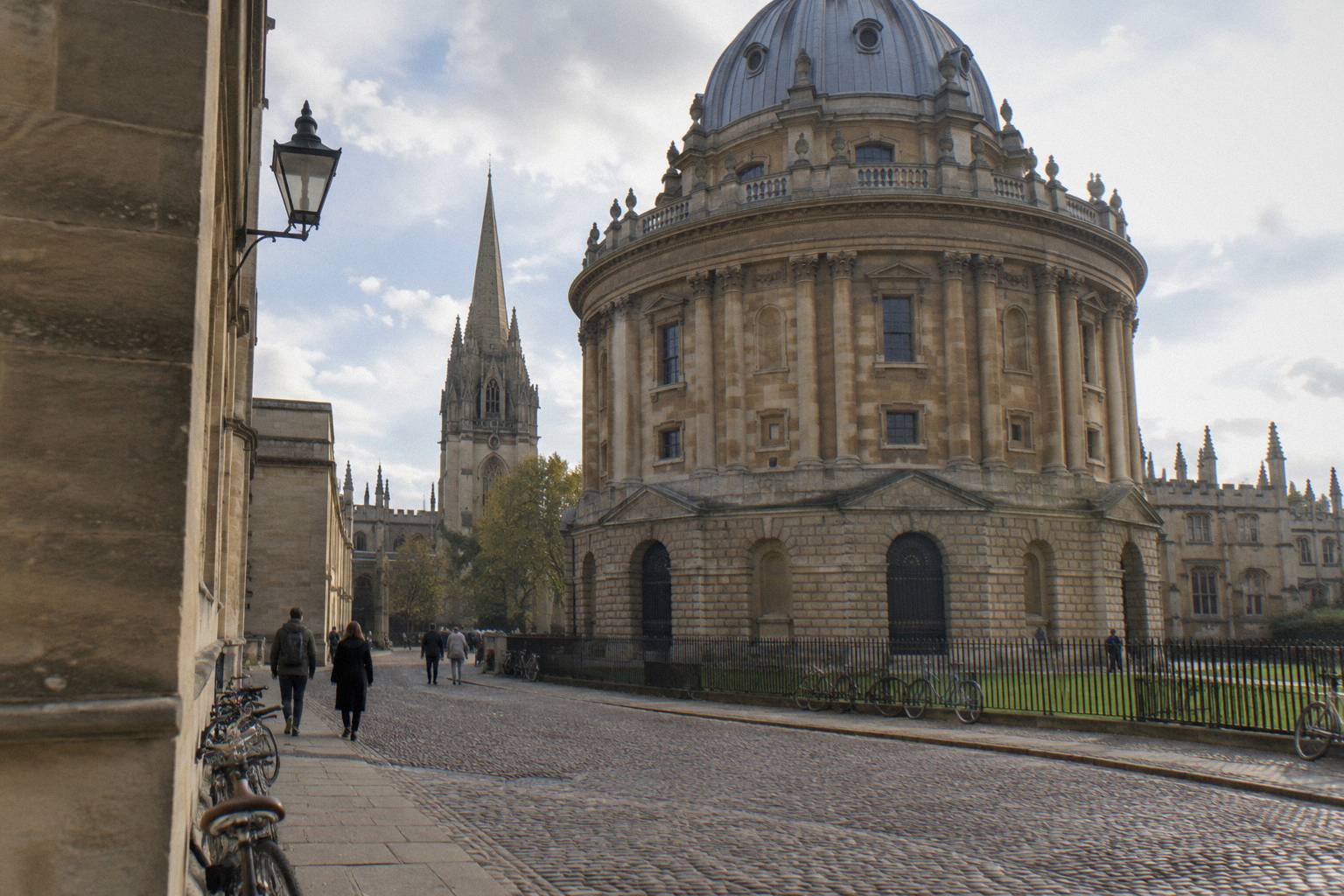
The walkability question usually hides two more specific worries. One is whether the distances between the famous sights defeat a day on foot. The other is whether "covering" Oxford by walk means seeing the inside of the Bodleian, the colleges and the Radcliffe Camera, or only their exteriors. The honest split is this: the streets, squares, meadows and riversides are free and open, while most college interiors and several famous interiors are ticketed or tour-only. A free walking tour covers the first category thoroughly and the second not at all, by design and by rule.
This article works through that split piece by piece. It looks at how the centre is laid out, what a free walk on GuruWalk actually takes in, which of the four walks fits which kind of walker, and the mistakes that catch people out when they expect a free walk to double as a ticketed interior tour. Everything here comes from the walks' own GuruWalk pages and the verified attraction records for the city, not from guesswork.
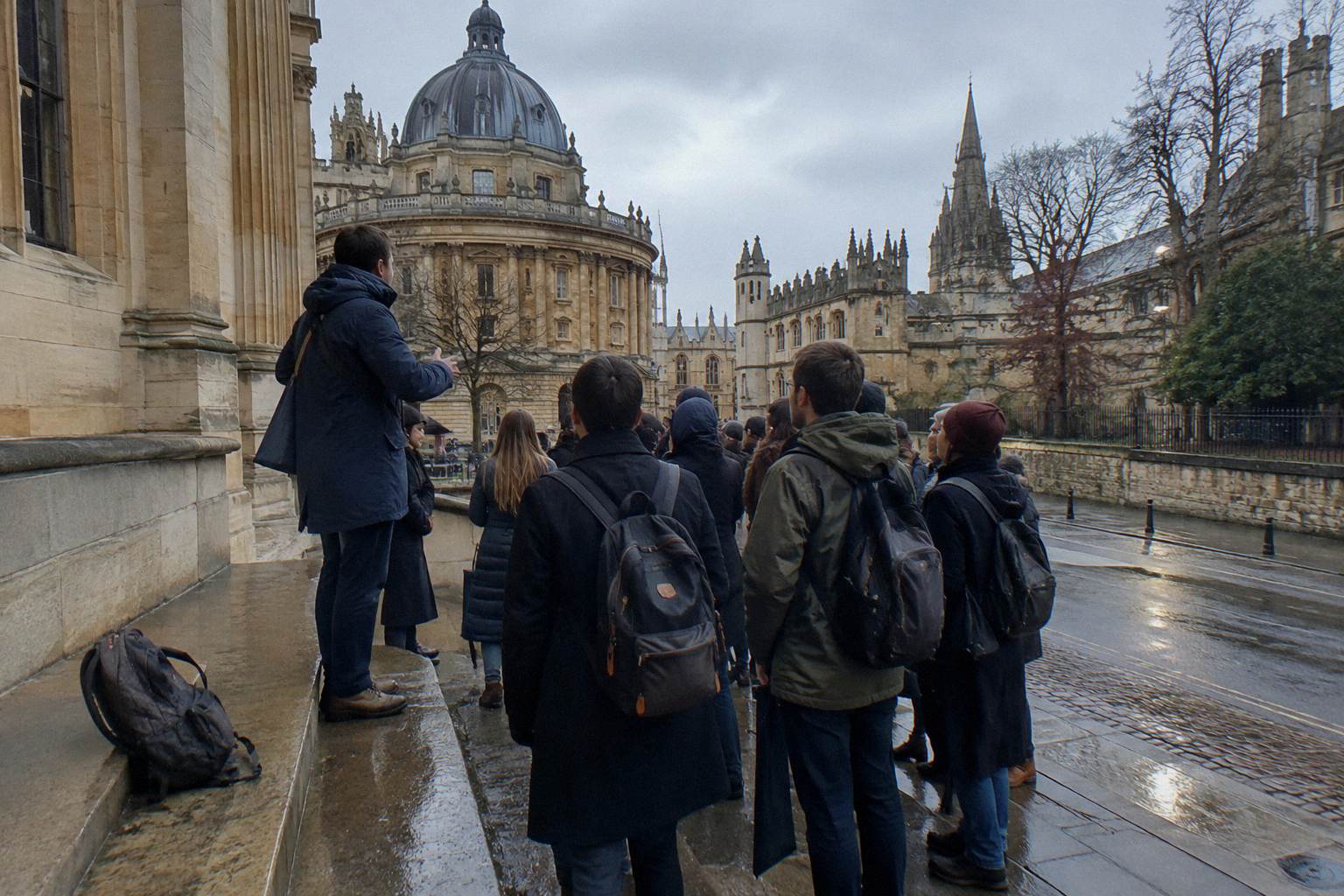
One framing note before the detail. Walkability is not just about distance. It is about whether a city rewards being walked: whether the interesting things face the street, whether the street pattern makes sense on foot, and whether the free, open parts of the city are the parts worth seeing. On all three counts Oxford scores well, and that is precisely why the free walking tour model, which works best where the sights are exterior and street-level, fits this city so neatly.
What Is The Short Answer?
The short answer is that central Oxford is a walking city, and a free walking tour covers its streets, squares and exterior landmarks in one and a half to two hours, without a ticket and without transport of any kind. The four free walks on GuruWalk all run in English, one of them also in Italian, and they meet at street points: two at the Weston Library steps on Broad Street, one at the Oxfam shop at 17 Broad Street, and one at the Martyrs' Memorial at the junction of St Giles', Magdalen Street and Beaumont Street. What they do not cover is equally fixed: no walk on the roster goes inside a paid college, the Bodleian, the Radcliffe Camera or Christ Church, because none of the walks' own pages says it does.
Break that down and three practical facts fall out. First, the meeting points themselves tell you where the walkable heart sits: three of the four walks start on Broad Street and one starts at the Martyrs' Memorial, both deep in the centre. A visitor standing at either point is already within the stretch of street that holds the Sheldonian, the Bodleian's exterior, the Weston Library and Radcliffe Square's approaches. Second, the durations tell you the scale: nobody designs a two-hour walking tour in a city where the sights sit far apart. Third, the model tells you the friction level: free to join, you choose what to give, reserved on GuruWalk, which removes both the ticket price and the booking commitment from the decision.
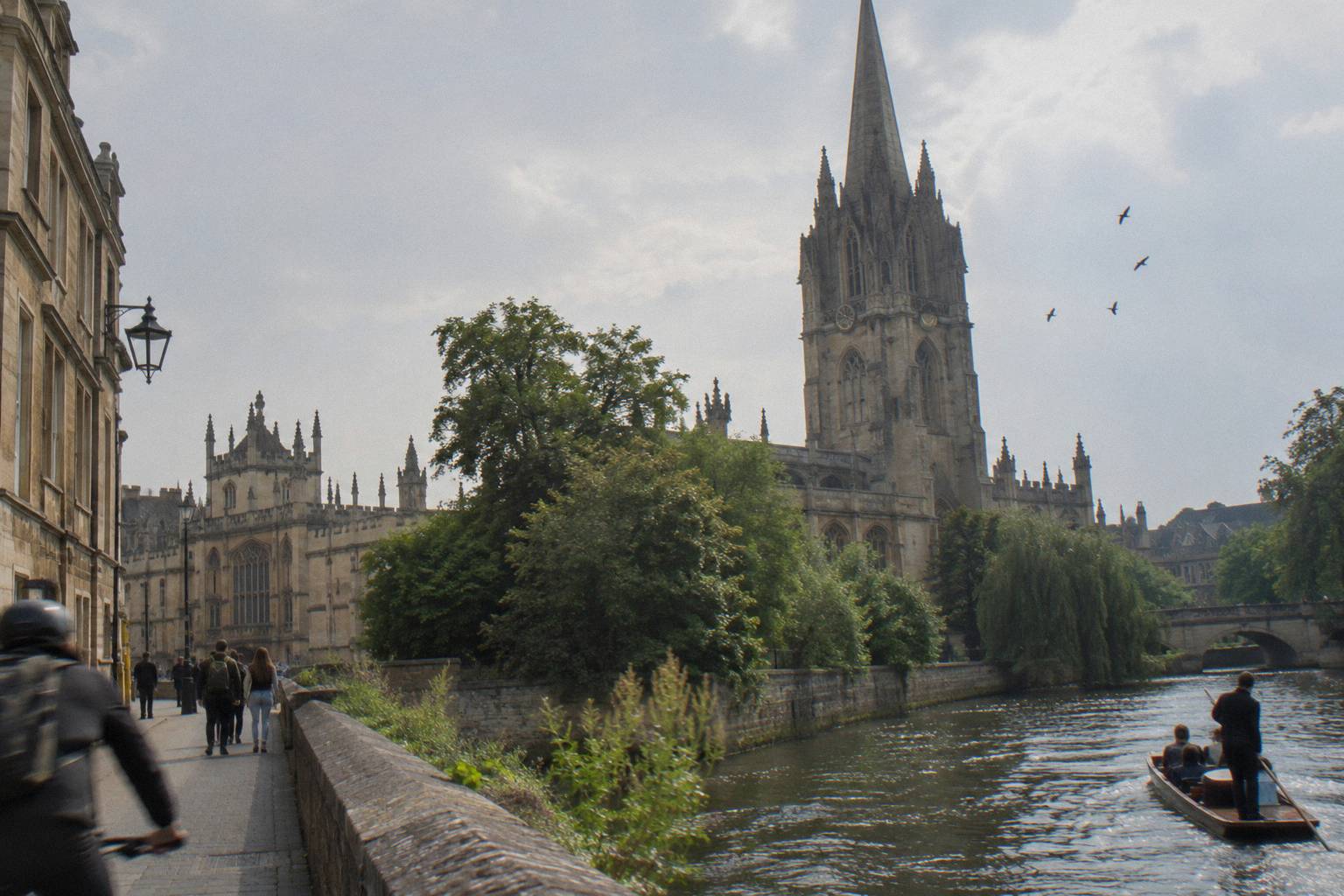
The limits are just as clear and worth stating up front. A free walk is a street-level experience. The Radcliffe Camera is free to look at from Radcliffe Square but going inside is tour-only through the Bodleian's own paid offerings. The University Church of St Mary the Virgin is free to enter but its tower climb is ticketed. Christ Church Meadow is a free riverside walk, while Christ Church college and cathedral need a paid timed ticket, though services are free to attend. None of these facts makes Oxford less walkable. They just define what a walk can and cannot hand you.
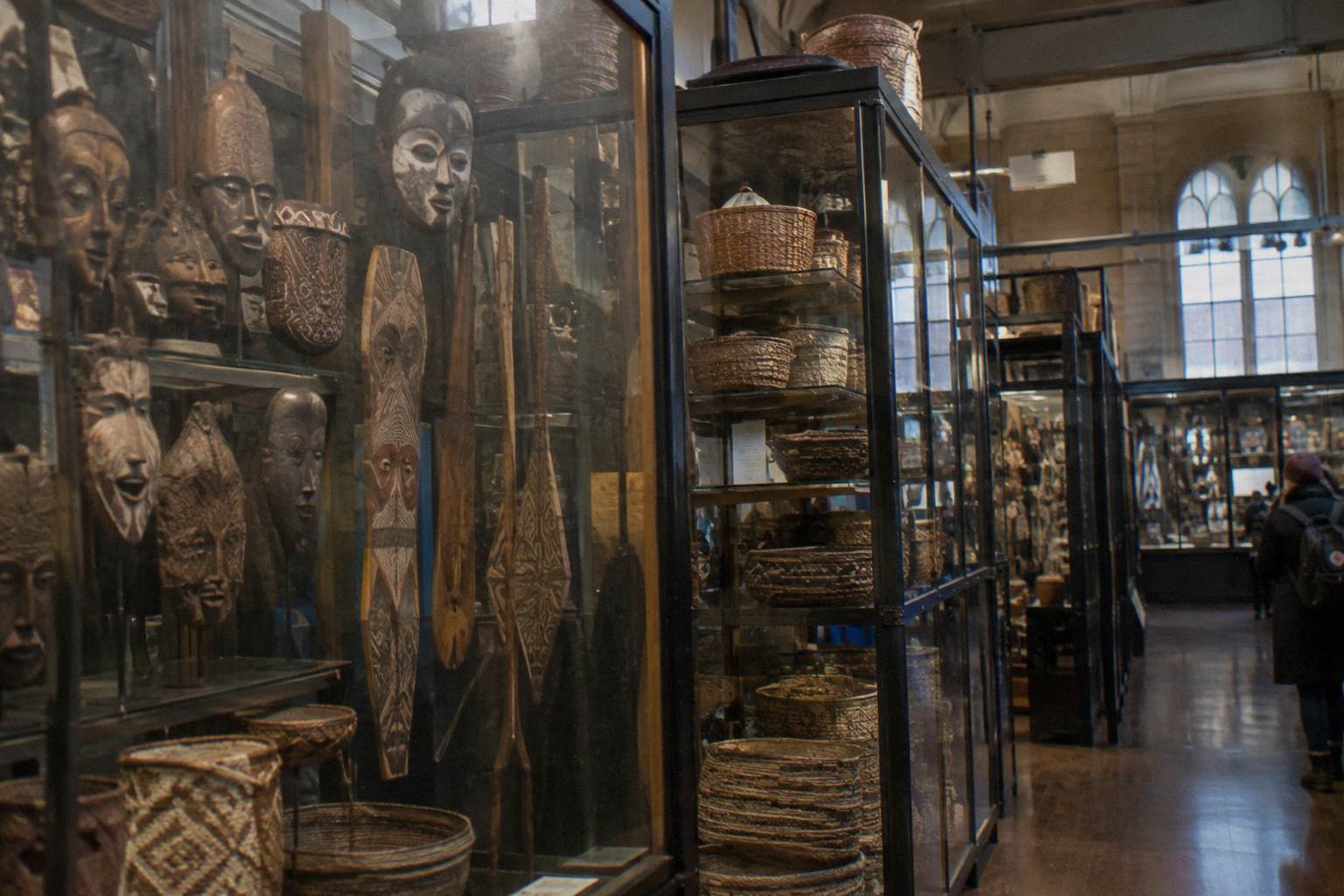
The Ashmolean, the Pitt Rivers, the Oxford University Museum of Natural History, the Museum of the History of Science and Modern Art Oxford are all free to enter, though the Ashmolean's major special exhibition is ticketed. Those interiors are covered by the University's own visiting-colleges page and each museum's own site rather than by any walking tour, because a walking tour moves and a museum does not. The sensible structure for a day is the one most visitors stumble into anyway: a walk through the streets first, then a free museum or a free college interior afterwards.
So the one-line version, if you want it: Oxford is walkable, a free GuruWalk covers the walkable core, and everything beyond that core, meadows, museums, college interiors, is a separate free or paid visit you arrange yourself. The rest of this article puts flesh on each part of that sentence.
How Far Apart Are The Sights?
The honest answer is that the sights most visitors name are packed into a small central area, and the attraction records for Oxford place almost all of them in or beside the same few streets and squares: Broad Street, Radcliffe Square, High Street, Carfax, and the riverside edges of Christ Church Meadow and Port Meadow further out. Distances are short because the sights cluster: the Weston Library and the Sheldonian sit on the same stretch of Broad Street where three of the four free walks begin, and Radcliffe Square, home of the Radcliffe Camera's best-known exterior view, sits just off that core.
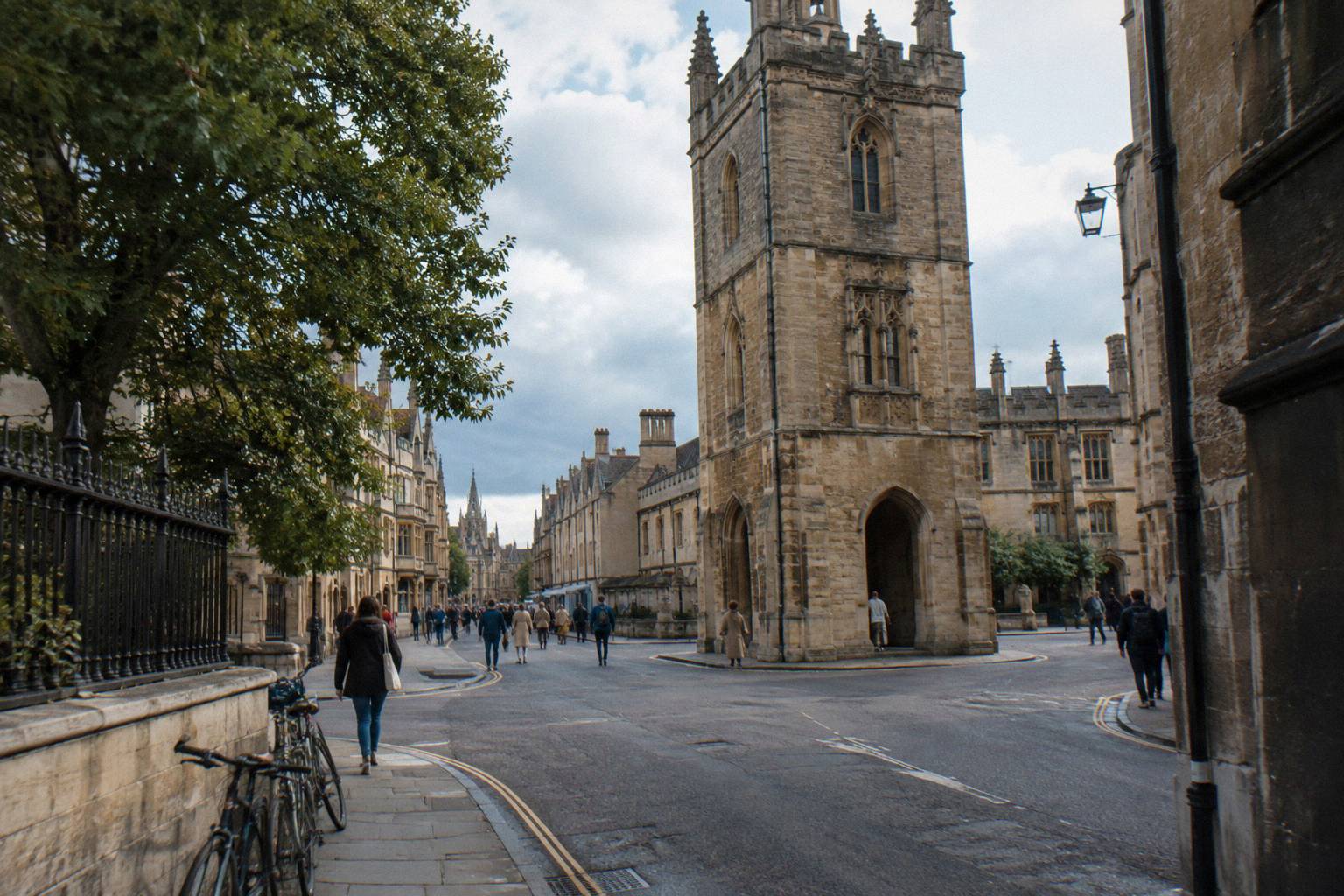
The centre's shape explains the walkability better than any number could. Carfax is the crossroads where High Street, St Aldate's, Cornmarket Street and Queen Street meet, and it functions as the centre's hinge: from there the main sight streets run out in the four compass directions. High Street carries you past college frontages toward Magdalen Street and the Martyrs' Memorial. St Aldate's runs down toward Christ Church and the free riverside walk of Christ Church Meadow. Broad Street, a few minutes north, holds the Weston Library steps, the Sheldonian's exterior and the Oxfam shop at number 17 where the Student's Tour, 2 Hours meets. The Covered Market opens off the High Street stretch of the centre.
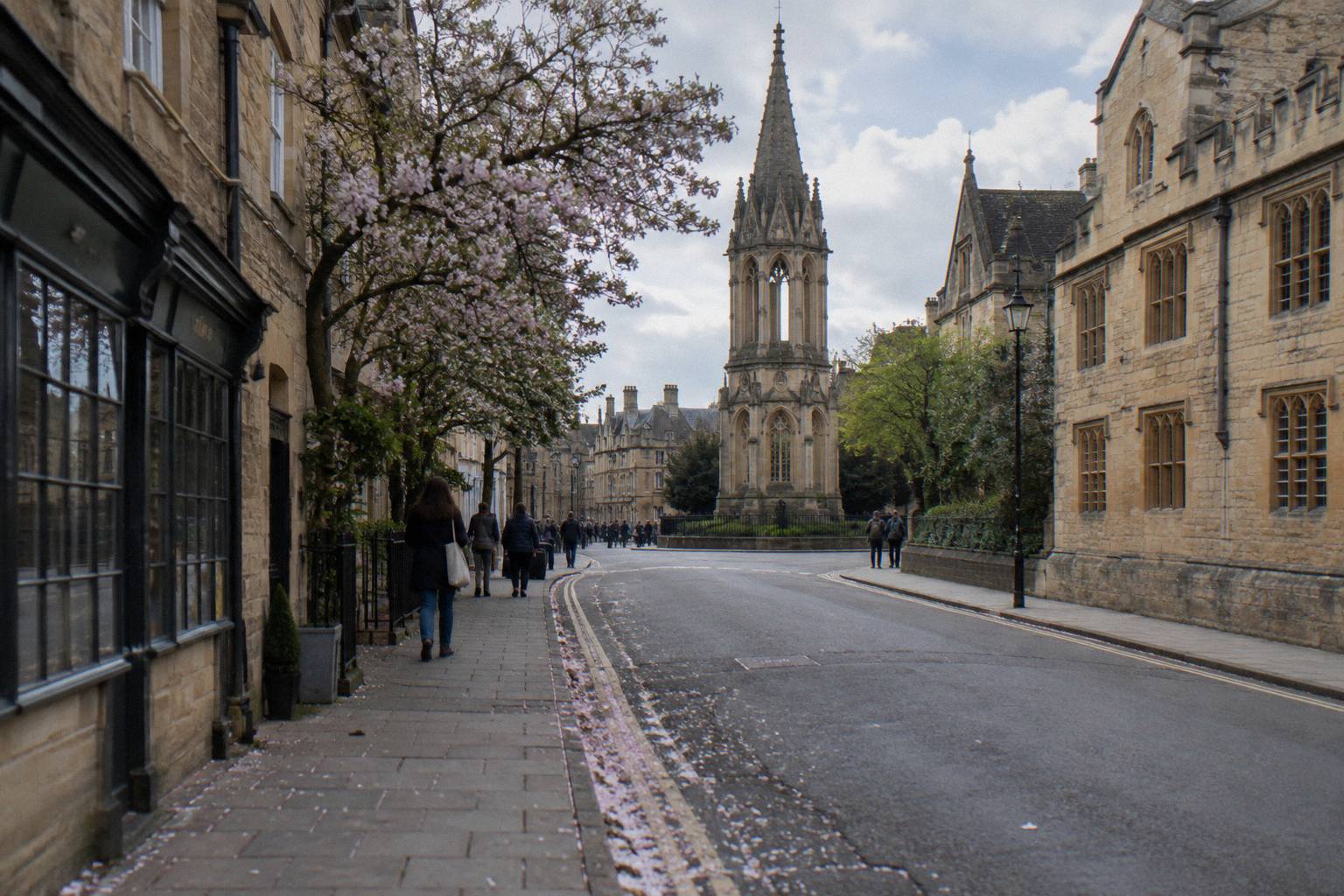
Then there is the second ring, the one that rewards walkers who want more than the postcard core. Port Meadow is a free walk with wildlife and riverside pubs, recorded as an open public space on the city's north-west edge, and Jericho sits beside it as a neighbourhood street to wander. The Thames and the Cherwell frame the city, and Christ Church Meadow runs between them on the south side. These are genuine walking destinations in their own right, free to enter, and they are what makes Oxford walkable in a fuller sense than the centre alone: the city has open ground attached to it, not just buildings. The Port Meadow free walk guide covers that side of the city in detail.
A comparison table keeps the geography honest, using only what the attraction records state about where each free thing sits and what condition attaches to it:
| Free sight or area | Where it sits | Condition on the free part |
|---|---|---|
| Radcliffe Square | Centre, off Broad Street core | Open public space; free to look at the Radcliffe Camera from outside |
| Christ Church Meadow | South side of the centre, off St Aldate's | Free riverside walk; the college and cathedral are a separate paid timed ticket |
| The Covered Market | Off the central High Street area | Free to browse |
| Port Meadow | North-west edge of the city | Open public space, free to walk |
| University Church of St Mary the Virgin | Centre, by Radcliffe Square | Free to enter; the tower climb is ticketed |
| Broad Street | Centre | Open public space; meeting point for three of the four free walks |
What that table shows is the pattern: the free, walkable layer of Oxford is the street layer plus the open ground, and it is distributed so that a walker can string several of these together in a single circuit without transport. The paid layer, college interiors, the Camera's interior, towers, sits inside or on top of that free layer, which is why the mistakes section later in this article exists: people see the two layers side by side and assume one ticket-free walk covers both.
The one thing a walker should not do is treat "walkable" as a promise about every direction. The records name the places above because they are the verified free sights. Nothing in the data describes hills, gradients or fitness demands in any direction, so this article makes no claim about them either. What can be said is structural: the four free walks on GuruWalk each commit to between one and a half and two hours of walking through the centre, and their guides run them as street walks, which tells you the centre's scale in the plainest possible terms.
How Much Does A Free Walk Cover?
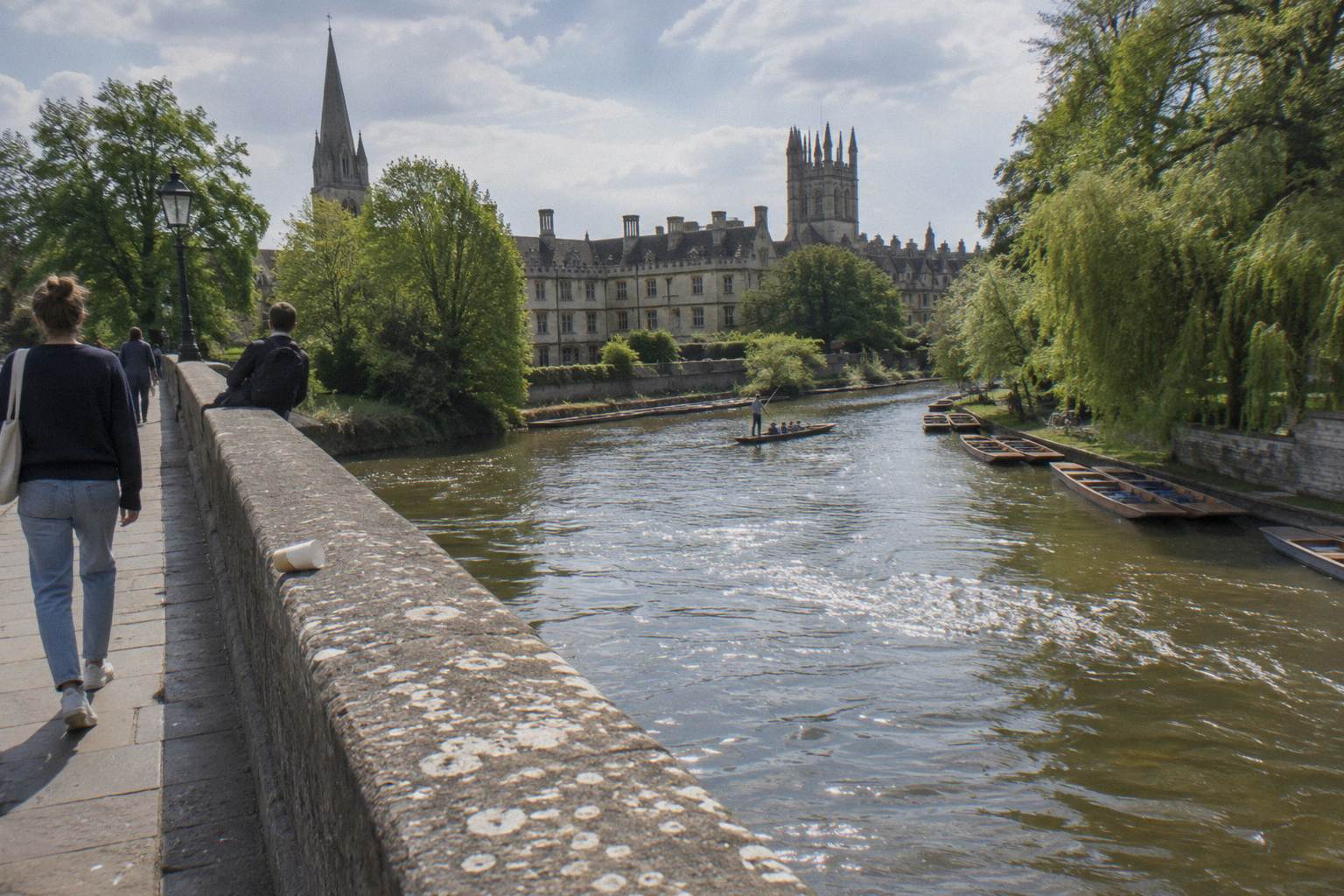
A free walking tour covers the city's street-level story: the centre's streets, squares and exteriors, walked with a guide over one and a half to two hours, free to join with no fixed fee, the guide paid in tips. It does not cover interiors of paid colleges, the Bodleian, the Radcliffe Camera or Christ Church, and no walk's own GuruWalk page claims otherwise. That boundary is not a weakness of the model, it is the model: the free walk gives you the frame, the map sense and the street history, and the interiors you care about become targeted visits afterwards.
Scale the coverage honestly. Four walks exist on GuruWalk in this city, all in English, one also in Italian, and their durations cluster tightly: two hours for the Town And Gown History Walk, one hour 30 for the Bilingual Walk, 1 Hour 30, two hours for the University And Colleges Walk and two hours for the Student's Tour, 2 Hours. Those are short, dense walks of a compact centre, not expeditions. A walker who takes one in the morning still has a full afternoon for a free museum, a free college interior or Christ Church Meadow, which is exactly how the pieces are meant to fit together. Everything else covered here is indexed on Free Things To Do In Oxford.
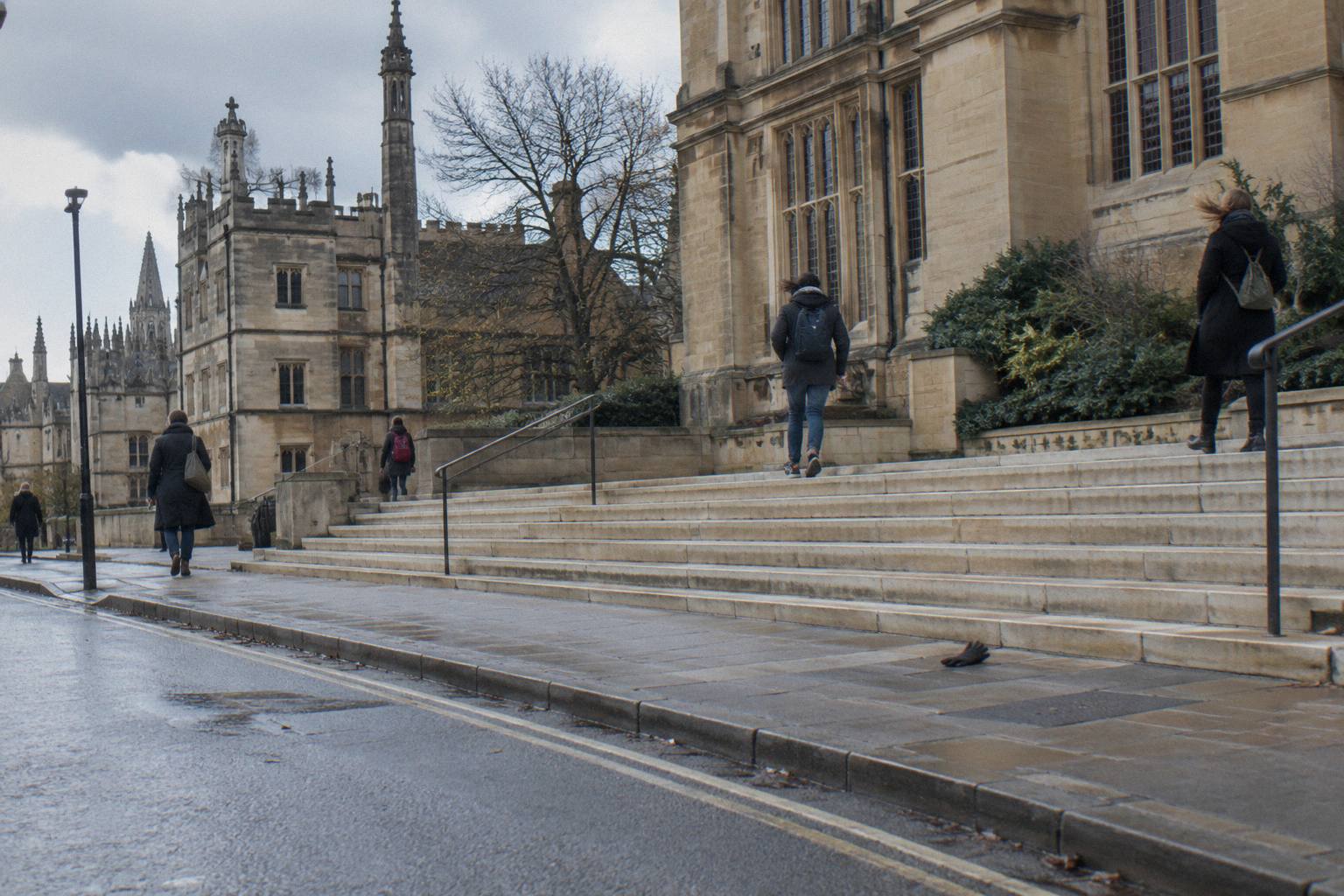
The distinction that matters most to plan around is exterior versus interior. From Radcliffe Square the Radcliffe Camera is one of the most photographed buildings in the city and it costs nothing to stand and look at: the free part is the square and the view. Going inside is tour-only. The University Church of St Mary the Virgin reverses the pattern: the interior is free, the tower view is ticketed. Christ Church Meadow is free ground beside a ticketed college. Every one of these is two facts, not one, and the Bodleian free visits guide works through the library's version of the same split.
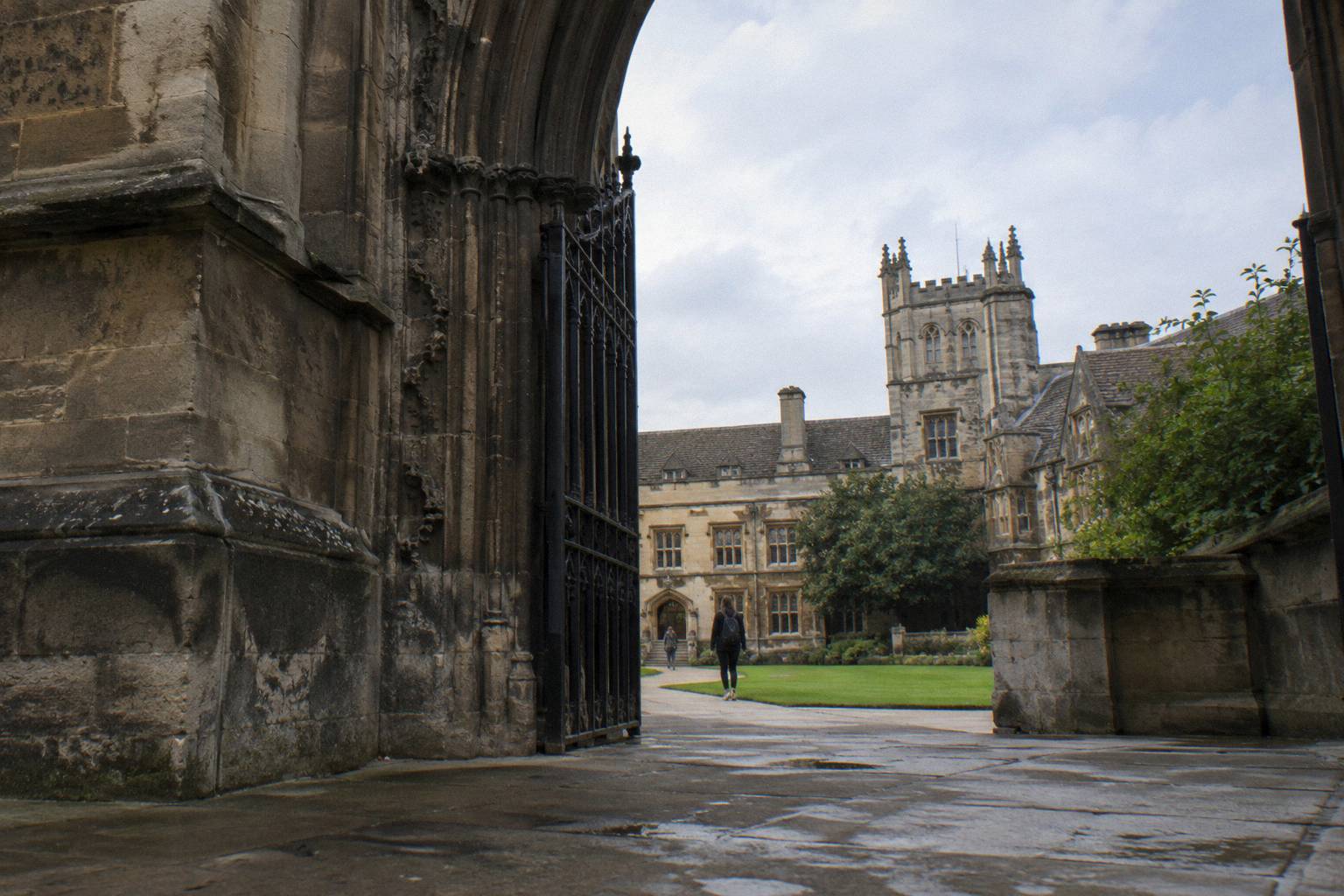
Against that, the free interior layer is genuinely rich and costs nothing. The Ashmolean Museum is free to enter, as are the Pitt Rivers, the Oxford University Museum of Natural History, the Museum of the History of Science and Modern Art Oxford, with only the Ashmolean's major special exhibition ticketed. A walk-in college interior is also possible: All Souls, Lincoln, Corpus Christi, Keble, St John's, Wadham, Lady Margaret Hall and Brasenose admit walk-in visitors, Brasenose at porter's discretion, while other colleges charge entry or do not admit casual visitors at all. The free museums guide lays out that full picture, and the museums that cost nothing piece lists them one by one.
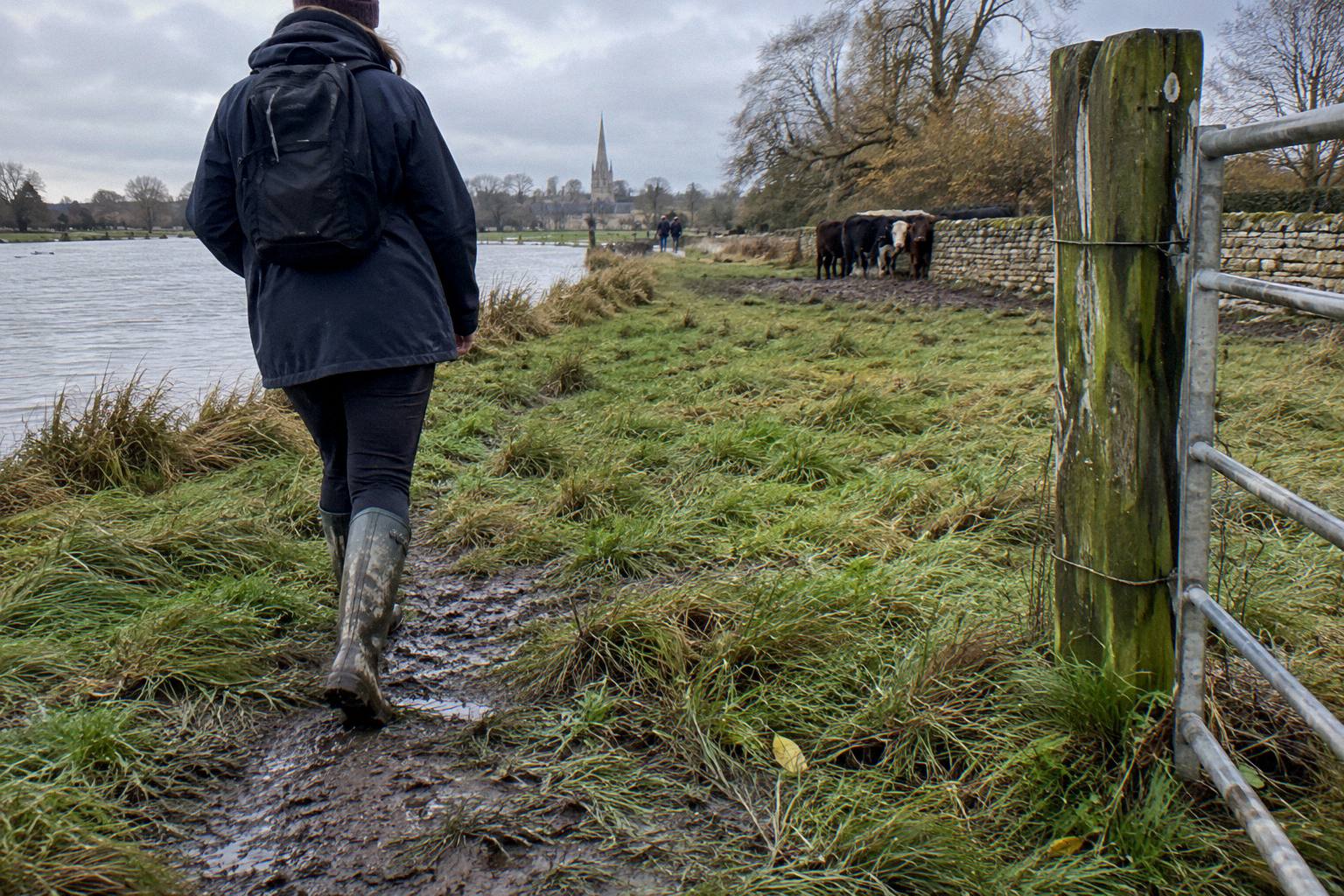
The practical arithmetic of a day therefore looks like this: one free walk for the street layer, one or two free interiors chosen in advance, and open ground, the Meadow, Port Meadow, the river paths, for whatever time remains. Notice what is missing from that arithmetic: no transport, no ticket queue for the walk itself, and no schedule beyond the walk's own start time at its meeting point. This is what people mean when they call Oxford walkable, and it is why the free walk has become the default first activity in the city: it converts a map of famous names into a walked sense of the place in under two hours.
One caution keeps the coverage claim honest. The walks' routes beyond their meeting points are their own: a walk's title can be quoted, but no walk's coverage should be described as a list of stops, because only each walk's own GuruWalk page states what it includes. If a specific landmark inside a paid building is the reason you are visiting Oxford, check that building's own entry arrangements, not the walk.
Which Free Walking Tours Cover This?
Four free walking tours run in Oxford on GuruWalk, all in English with one of them also in Italian, and each one covers the centre on foot from a street meeting point over one and a half to two hours of walking. Two are History And Town walks meeting at the Weston Library steps on Broad Street, one is a Colleges And University walk meeting at the Martyrs' Memorial on Magdalen Street, and one is a Colleges And University walk meeting at the Oxfam shop at 17 Broad Street. Each is free to join, you choose what to give, reserved on GuruWalk.
The Town And Gown History Walk is the one with the deepest review pool on the platform: rated 4.97 out of 5 across 148 GuruWalk reviews, running two hours in English, meeting at the Weston Library steps on Broad Street. It sits in the History And Town category and its meeting point puts it at the heart of the walkable core described above, on the same Broad Street stretch as the Sheldonian's exterior and the Weston Library itself. For a first-time visitor asking the walkability question, this is the walk that answers it most directly: two hours, one street start, the centre on foot.
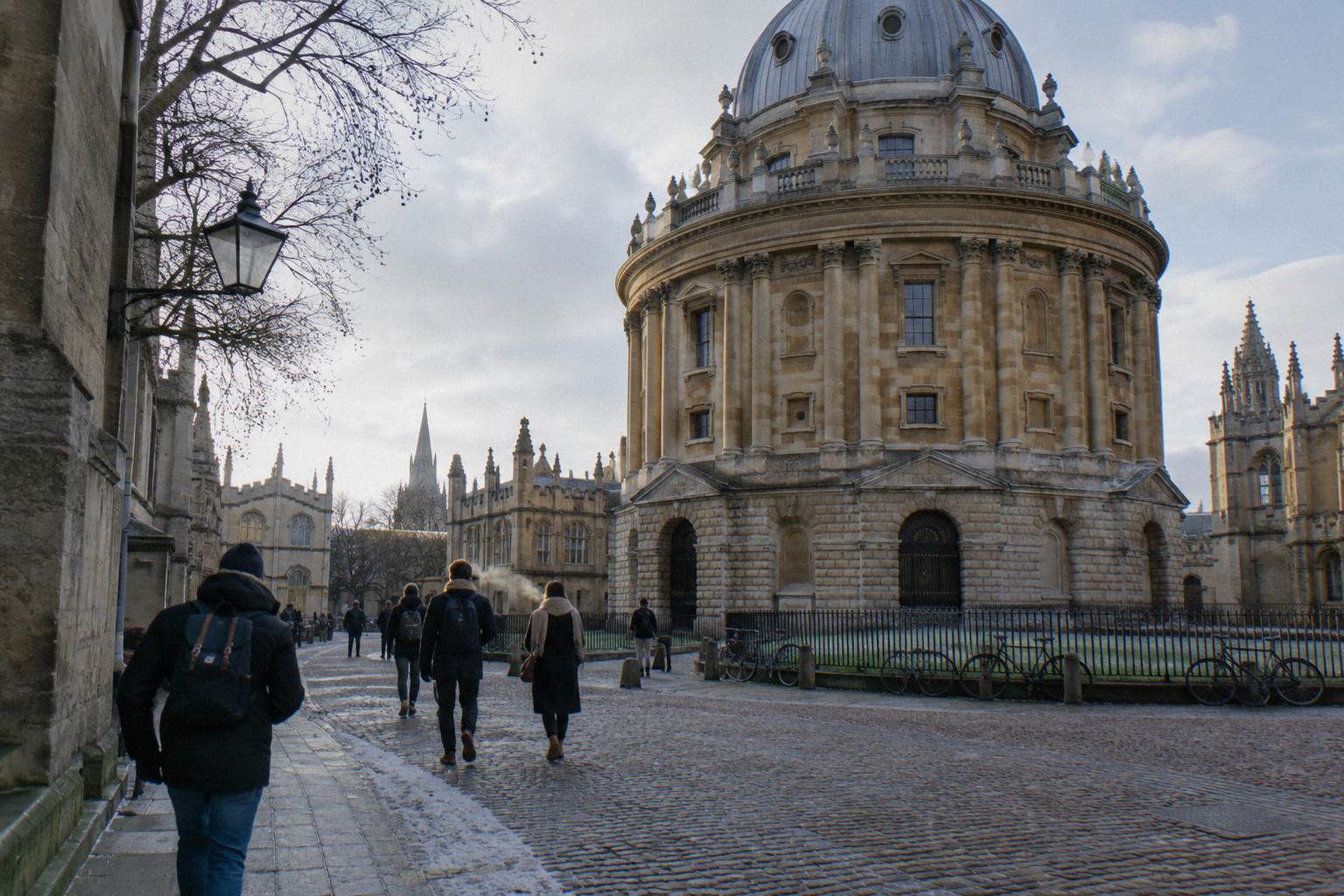
The Bilingual Walk, 1 Hour 30 is the short option and the only multilingual one: one hour and 30 minutes, English and Italian, meeting at the same Weston Library steps, rated 4.47 out of 5 across 17 GuruWalk reviews. It suits a walker whose window is tight or whose first language is Italian, and its Broad Street start means it shares the same central footing as the longer history walk. The University And Colleges Walk takes the other meeting point, the Martyrs' Memorial at the junction of St Giles', Magdalen Street and Beaumont Street, runs two hours in English, and is rated 4.47 out of 5 across 15 GuruWalk reviews. The Student's Tour, 2 Hours, rated 4.2 out of 5 across 5 GuruWalk reviews, meets at the Oxfam shop at 17 Broad Street and runs two hours in English.
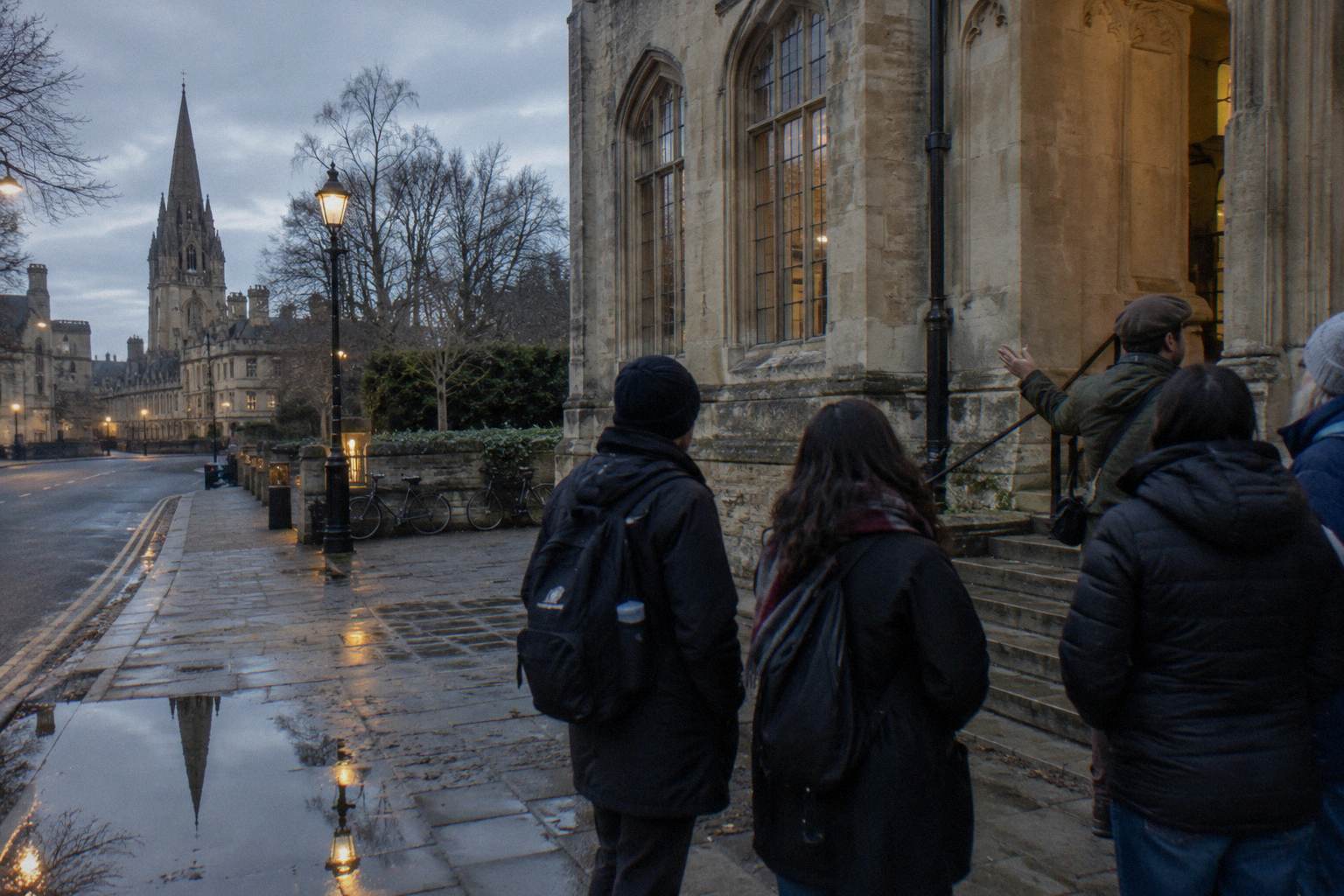
A roster table makes the four-way comparison easier than prose:
| Walk | Duration | Language | Meets at | Rating on GuruWalk |
|---|---|---|---|---|
| Town And Gown History Walk | 2 hours | English | Weston Library steps, Broad Street | 4.97 out of 5, 148 reviews |
| Bilingual Walk, 1 Hour 30 | 1 hour 30 minutes | English and Italian | Weston Library steps, Broad Street | 4.47 out of 5, 17 reviews |
| University And Colleges Walk | 2 hours | English | Martyrs' Memorial, Magdalen Street | 4.47 out of 5, 15 reviews |
| Student's Tour, 2 Hours | 2 hours | English | Oxfam shop, 17 Broad Street | 4.2 out of 5, 5 reviews |
Note the ratings carry their scale and their review count, because a 4.2 from five reviews and a 4.97 from 148 are different kinds of fact. None of these walks should be described beyond what its own page states: the meeting point, the duration, the language and the title are the verified facts, and each walk's own GuruWalk page says the rest. No walk carries an extra-cost flag: every one is free to join with the amount you give entirely your choice.
Choosing between them comes down to three facts you already have: duration, language and meeting point. If you want the longest walk with the largest review pool, the Town And Gown History Walk is the pick. If your visit is compressed or your group prefers Italian, the Bilingual Walk, 1 Hour 30 fits. If your interest is the University side and you would rather start from the Magdalen Street end of the centre, the University And Colleges Walk starts at the Martyrs' Memorial. All three start points sit within the walkable core, so whichever you choose, you arrive on foot and leave on foot. The fourth walk, the Student's Tour, 2 Hours from the Oxfam shop at 17 Broad Street, completes the set and its own page carries its details.
Mistakes That Trip People Up At Walkable Oxford
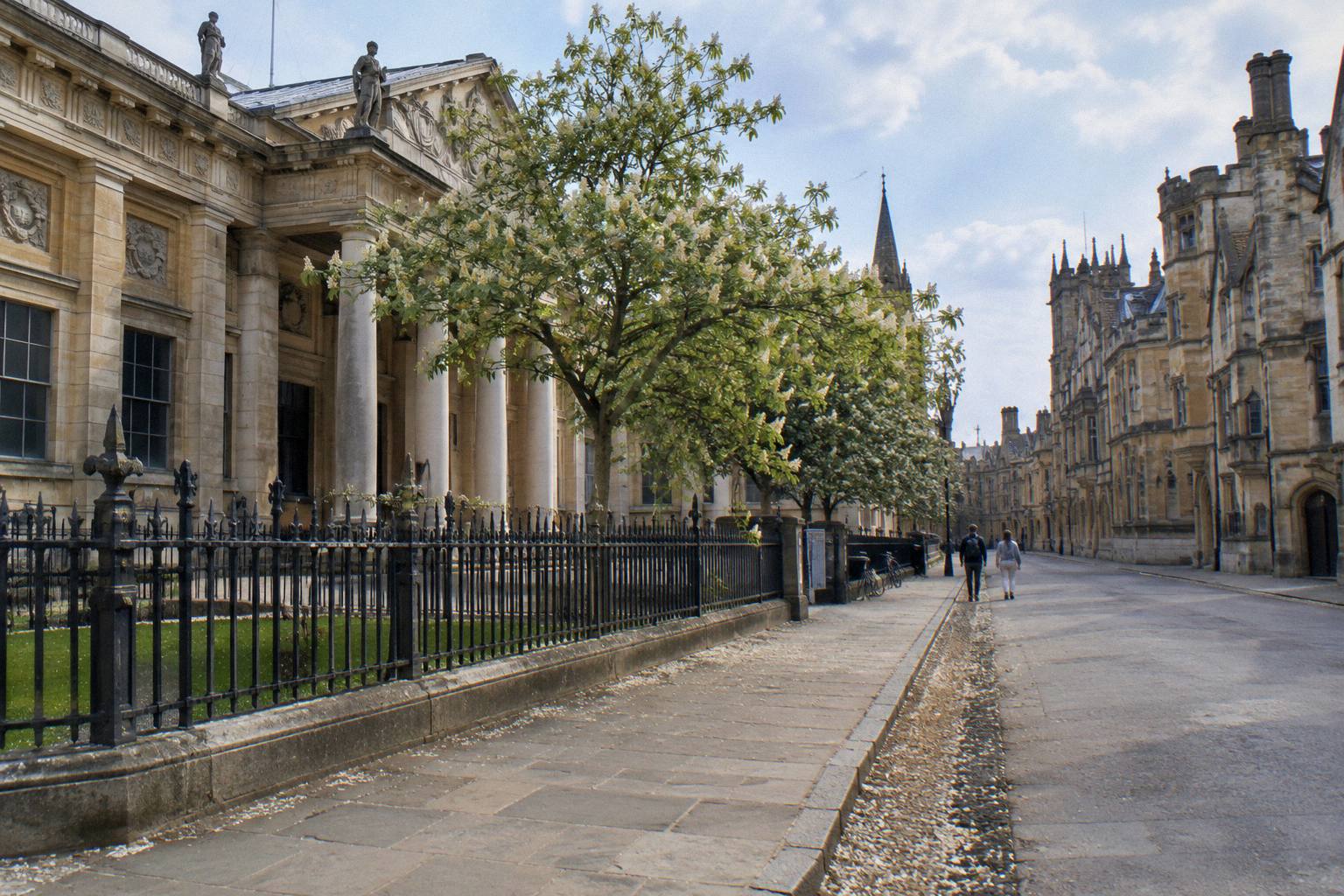
The recurring mistakes are treating a free walk as an interior tour, assuming the colleges as a group are free to enter, over-reading a walk's title as a route map, and planning distances the city does not demand of you. A free walking tour is a street experience: no walk on the roster enters a paid college, the Bodleian, the Radcliffe Camera or Christ Church, and that boundary is fixed. The colleges cannot be called free as a group, because most charge, close in term or admit no casual visitors at all. Each of these errors is avoidable with one honest look at what the facts actually say.
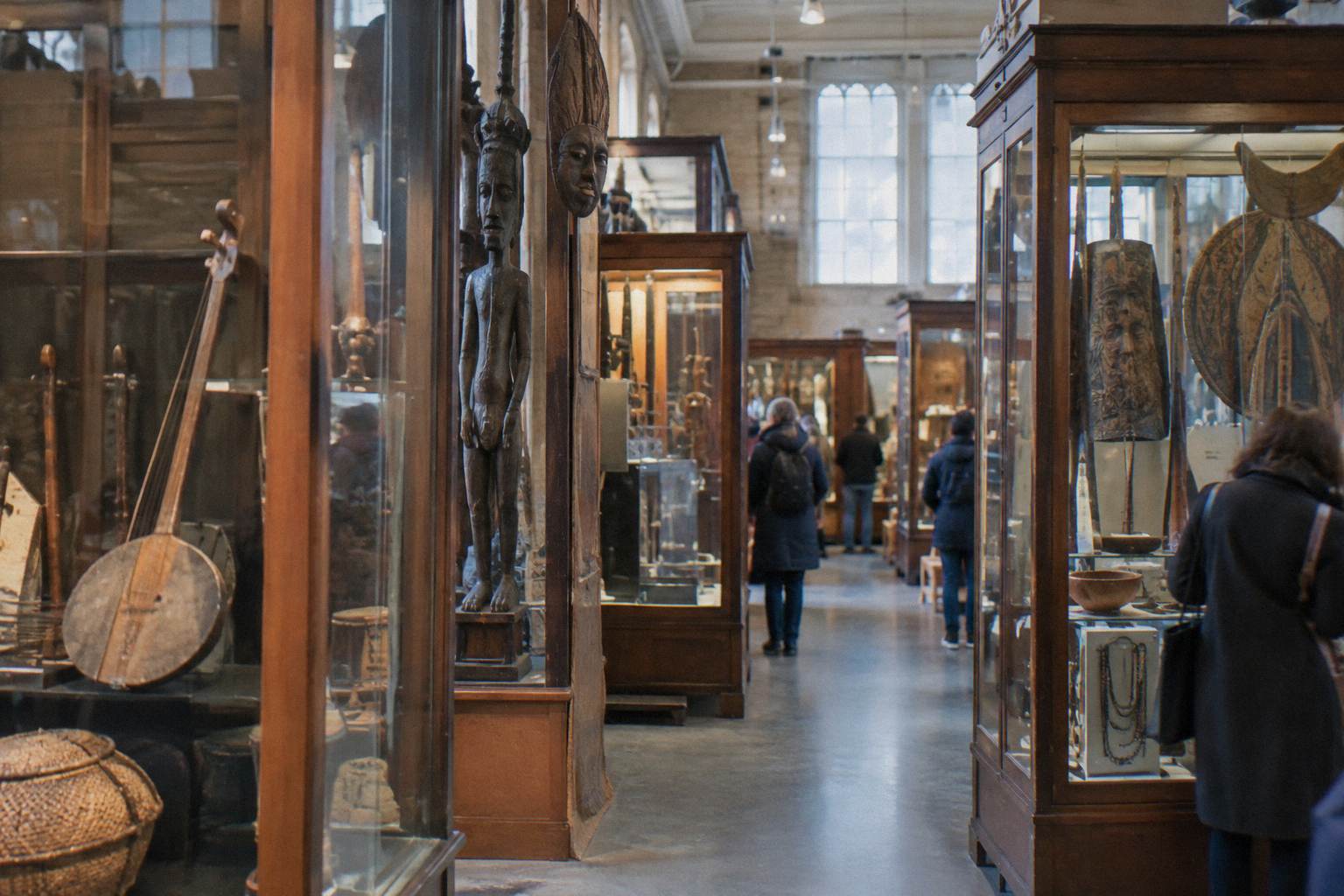
The first mistake is the biggest: expecting the walk to get you inside. The Radcliffe Camera's interior is tour-only, the Bodleian's interiors are its own paid visits, and Christ Church college and cathedral need a paid timed ticket, with services free to attend. A walker who books a free tour hoping for college quadrangles is booking the wrong product. The right structure is the layered one: walk the streets, then visit a free interior, whether a walk-in college such as Keble or Lincoln, or a free museum such as the Pitt Rivers or the Museum of the History of Science. Each layer is free or paid on its own stated terms.
The second mistake is the sentence "the colleges are free." They are not, as a group. Magdalen, Merton, Trinity, Balliol, University College, Oriel and Jesus charge or run tours only; Pembroke, Worcester, Hertford and Queen's do not admit casual visitors; and the walk-in list, All Souls, Lincoln, Corpus Christi, Keble, St John's, Wadham, Lady Margaret Hall and Brasenose at porter's discretion, each carries its own hours or conditions. The free-colleges guide gives the full list with its conditions, and the colleges you can visit for free piece is the one to check before you plan a college interior into your day.
The third mistake is reading a walk's title as an itinerary. A title is a title: quoting it is fair, extending it into a promised stop list is not, because only each walk's own GuruWalk page states what it covers. If a specific landmark is non-negotiable for you, the walk's page is where that is settled, not the title. The fourth mistake is distance anxiety in the other direction: inventing travel between sights that sit in the same central stretch, or assuming Port Meadow's open ground needs a plan as rigid as a museum visit. The records state what is open and where it sits; the walking between them is the point of the city.
Common Questions
Is Oxford Walkable? What A Free Walking Tour Covers?
Yes. Oxford's centre is compact and its famous sights cluster around a few streets and squares, and the four free walking tours on GuruWalk cover that core on foot in one and a half to two hours each, all in English with one also in Italian. The walks stay at street level and do not enter paid colleges, the Bodleian or the Radcliffe Camera.
How Long Does A Free Walking Tour Of Oxford Take?
Between one hour 30 minutes and two hours depending on the walk. The Town And Gown History Walk, the University And Colleges Walk and the Student's Tour, 2 Hours each run two hours, while the Bilingual Walk, 1 Hour 30 runs an hour and a half. All four are free to join, you choose what to give, reserved on GuruWalk.
Do The Free Walking Tours Go Inside The Colleges?
No walk on the roster goes inside a paid college, the Bodleian, the Radcliffe Camera or Christ Church, because no walk's own page states that it does. The walks are street-level tours of the centre. College interiors are separate visits: several colleges admit walk-in visitors for free and others charge or do not admit casual visitors.
Where Do The Free Walking Tours Meet?
Three of the four walks meet on Broad Street: two at the Weston Library steps and one at the Oxfam shop at 17 Broad Street. The fourth, the University And Colleges Walk, meets at the Martyrs' Memorial at the junction of St Giles', Magdalen Street and Beaumont Street. All four start points sit within the walkable centre.
Can You See Oxford In A Day On Foot?
The centre, yes: a free walk of one and a half to two hours covers the street layer, and free interiors such as the Ashmolean, the Pitt Rivers and the walk-in colleges can fill the rest of the day. Open ground like Christ Church Meadow and Port Meadow adds riverside walking at no cost. Transport is not part of the plan.
Do You Need To Book A Free Walking Tour Ahead?
Every walk is reserved on GuruWalk, free to join with no fixed fee, the guide paid in tips. Booking through each walk's own GuruWalk page secures your place in the group. No walk carries an extra-cost flag, so what you give is your own decision.