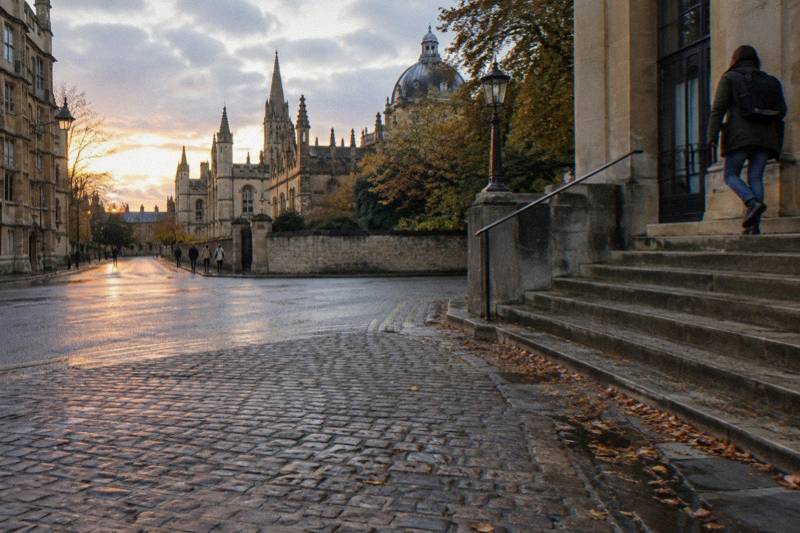
Port Meadow: A Free Walk With Wildlife And Riverside Pubs
Port Meadow is a large open common beside the Thames in north Oxford, free to enter on foot at any time, with grazing animals, river birds and pubs at the water's edge. Here is how the walk works, what you can see, and how the city's free GuruWalk walking tours fit around it.
In Short
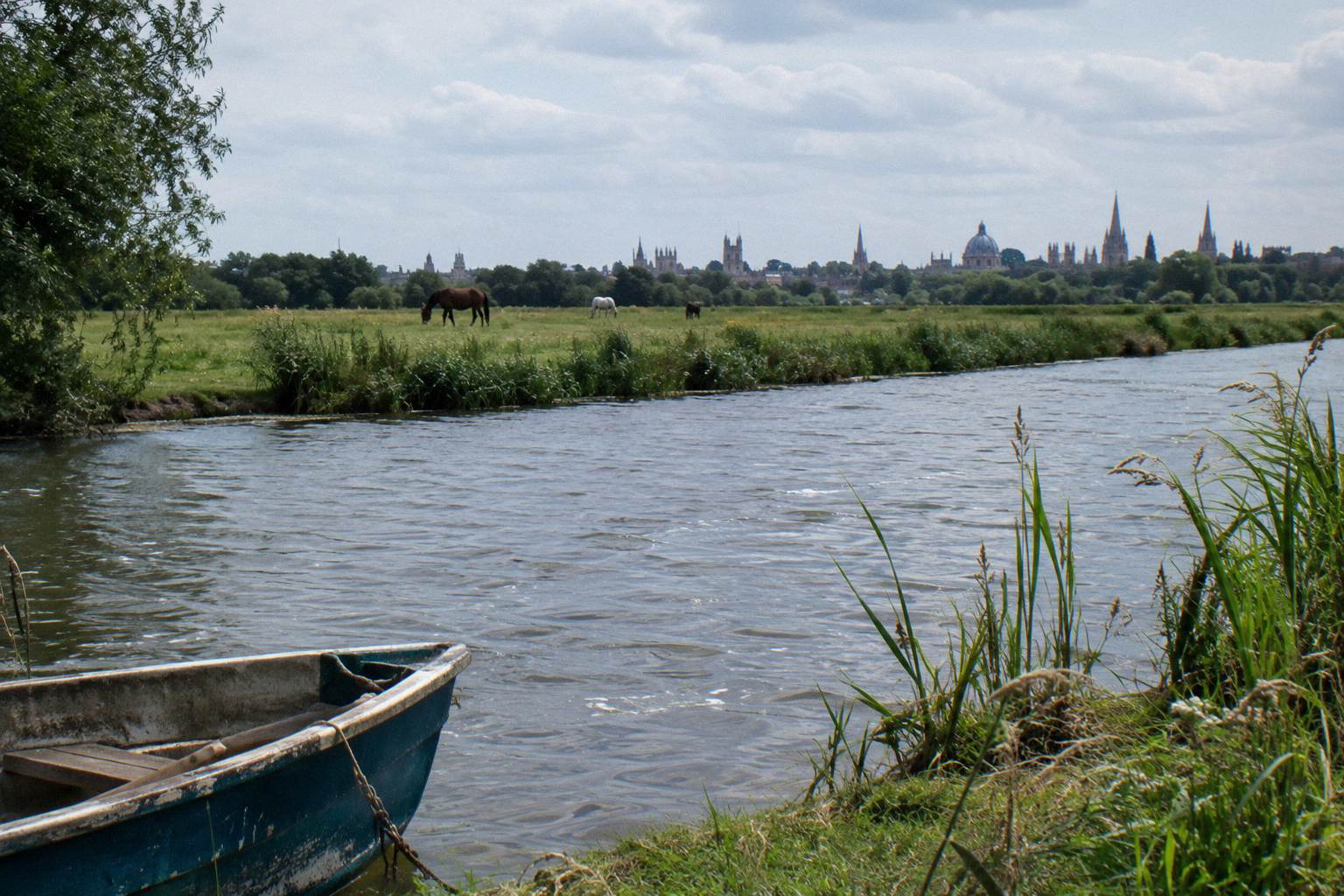
Port Meadow is free to walk, no ticket, no gate and no charge of any kind. It is an open common beside the Thames in north Oxford, reached on foot from Jericho, with grazing livestock, river birds and riverside pubs at either end. The walk itself is self-guided; the city's 4 free walking tours on GuruWalk cover the centre instead and are reserved on GuruWalk.
Part of the Free Things To Do In Oxford guide collection, this page covers the one large green space in the city that never charges, never closes behind a gate and never sells a timed ticket. Everything below is drawn from the walk pages on GuruWalk and the attraction records for the city.
Port Meadow sits apart from Oxford's paid machinery. Most of the famous interiors in the centre, the colleges, the Bodleian's ticketed rooms, the tower climbs, sit behind prices or conditions. The meadow asks for nothing. You arrive on foot, you walk, and the river moves alongside you the whole way. This guide sets out what the common is, how to walk it without spending anything, what lives on it, and where the route ends, then pairs it with the free, tip-based walking tours that cover the streets on the way there.
What Is Port Meadow?
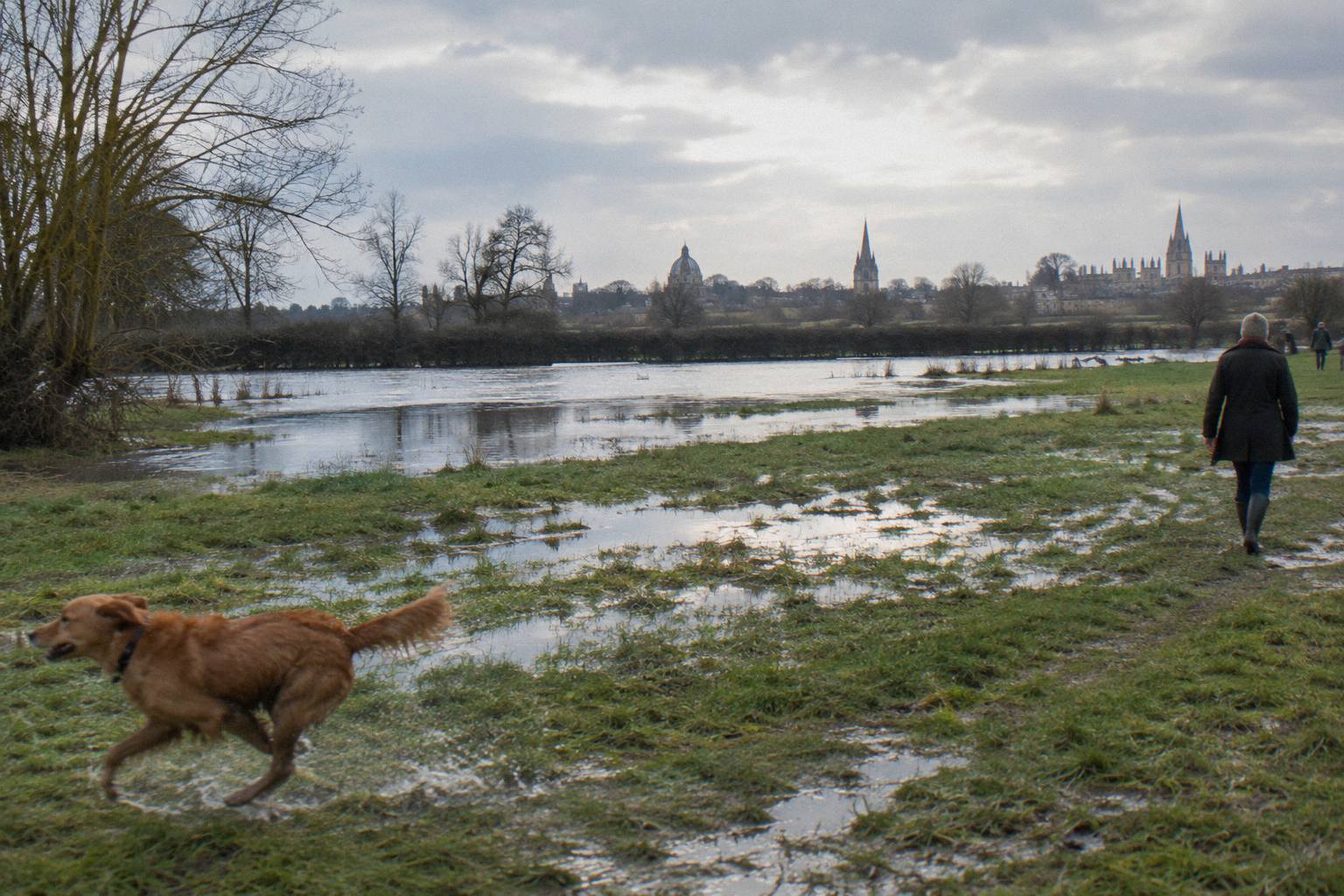
Port Meadow is a broad, open common of grassland beside the Thames in north Oxford, and it is free to enter on foot with no ticket, gate or opening charge. It is common land rather than a park, which is why grazing animals share it with walkers, and the Thames runs along its western edge. No part of the walk described here costs anything, and nothing along the route requires a booking.
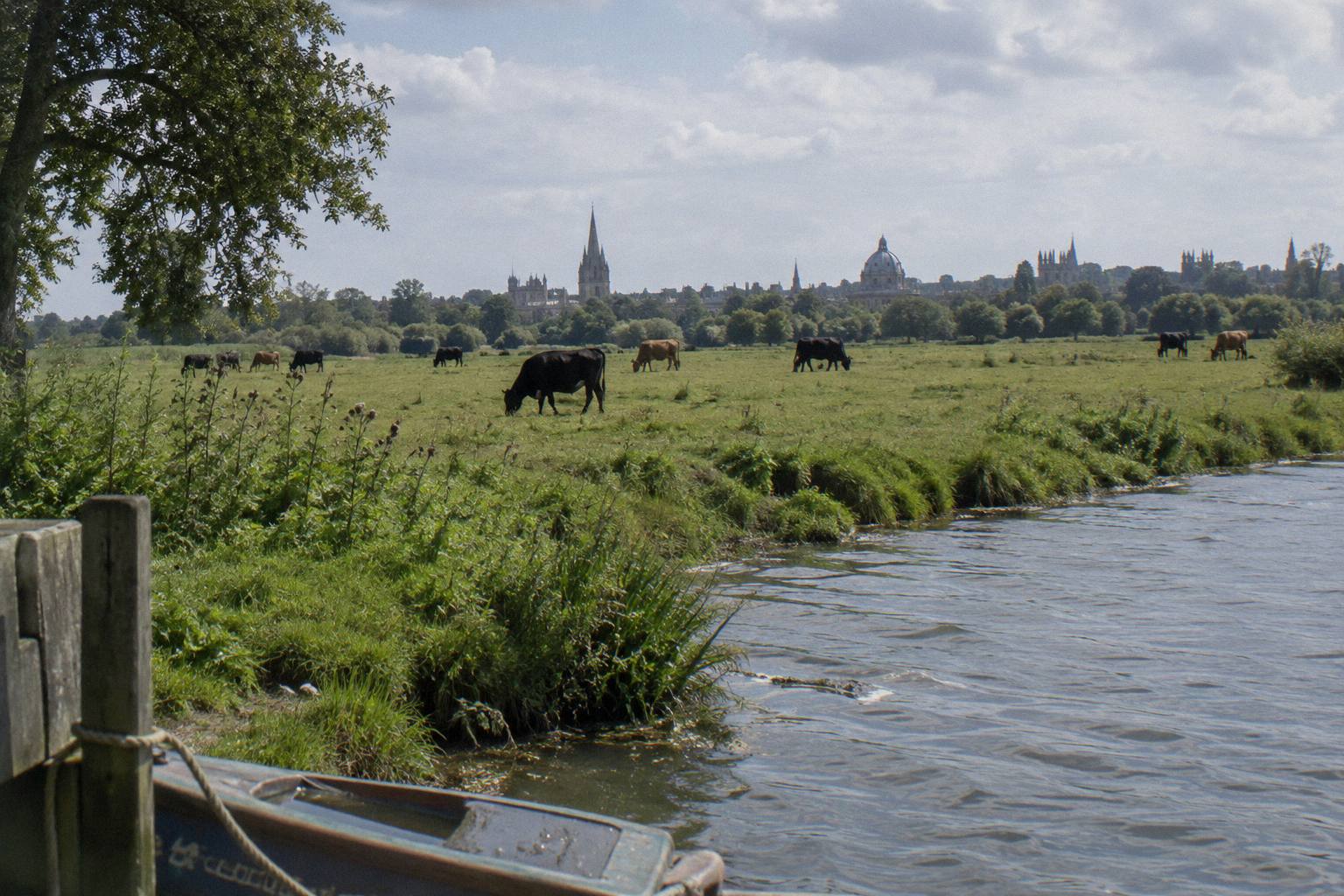
The meadow belongs to a different category of Oxford attraction than the colleges and museums. It is not a building with an entrance and a desk. It is land, held in common, and the free status is not a discount or a conditional window: there is no paid version of it. That distinction matters in a city where several "free" sights are really two-fact places, free to enter but with a ticketed tower or exhibition attached. The meadow has no second fact. What you see is what anyone sees, and it costs nothing.
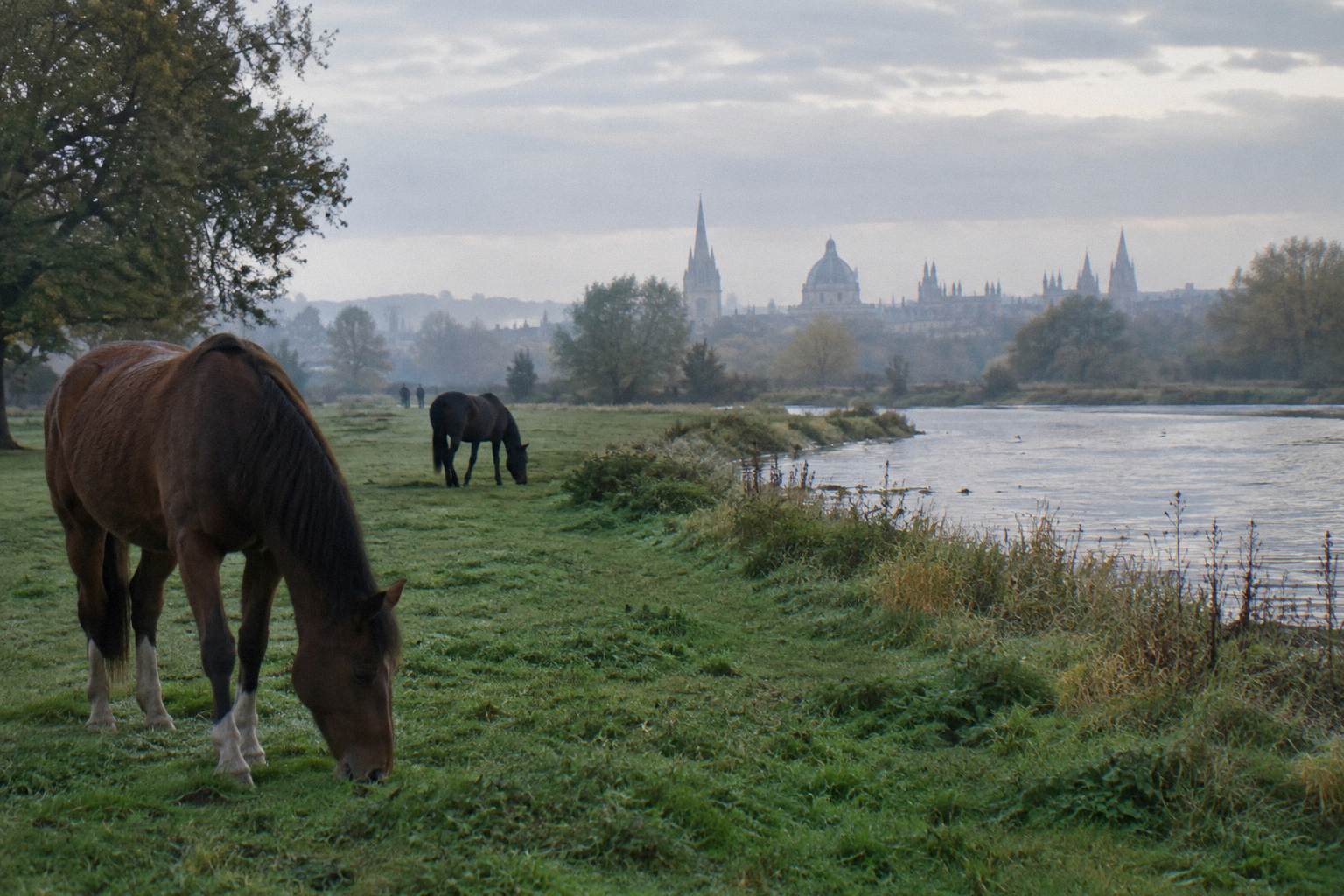
Geographically, the common stretches along the river with Jericho, the old canal-side quarter of north Oxford, at its southern end. The Thames, which some walkers first meet in the centre, becomes the meadow's constant companion here, and the Cherwell is the city's other river, joining the picture closer to the centre. Walking north from Jericho you cross onto the common and the city simply stops: no walls, no college gates, no queue. The horizon opens and stays open until the far end.
What that means practically is that the meadow is the largest genuinely free experience in the city's list of free things. The free museums are free to enter, but their major exhibitions can be ticketed. Christ Church Meadow is a free riverside walk, but the college beside it needs a paid timed ticket. The Radcliffe Camera is free to look at from Radcliffe Square, but going inside is tour-only. Port Meadow has no such split. There is no interior, no ticket desk and no premium version, just ground, water and sky.
For anyone comparing options, the difference between a free common and a conditionally free sight is worth a table of its own, because the trap in Oxford is not the charging, it is the merging of two facts into one sentence. The Ashmolean, Pitt Rivers, the Oxford University Museum of Natural History, the Museum of the History of Science and Modern Art Oxford are free to enter, and the Ashmolean's major special exhibition is ticketed. The University Church of St Mary the Virgin is free to enter but its tower climb is ticketed. Every one of those pairs is easy to state honestly and easy to blur.
| Sight in Oxford | Free part | Paid or conditional part |
|---|---|---|
| Port Meadow | The whole common, all access on foot | None |
| Ashmolean Museum | Permanent galleries | Major special exhibition is ticketed |
| University Church of St Mary the Virgin | Entry to the church | Tower climb is ticketed |
| Radcliffe Camera | The view from Radcliffe Square | Interior is tour-only |
| Christ Church Meadow | The meadow walk | College and cathedral need a paid timed ticket |
A quick-facts version of the same honesty, for the meadow itself:
| Port Meadow quick facts | |
|---|---|
| Cost to enter | Free, no ticket, no booking |
| What it is | Open common beside the Thames, north Oxford |
| Nearest district | Jericho, to the south |
| Wildlife | Grazing livestock on the common, river birds along the Thames |
| Pubs | Riverside pubs at the water's edge |
| Pairing | Self-guided walk, plus 4 free walking tours on GuruWalk in the centre |
The meadow also answers a question the centre cannot: what does Oxford look like without buildings? The answer is flat, wet in places, and full of animals. It is the counterweight to a day of courtyards, and it costs exactly nothing.
How Do You Walk It For Free?
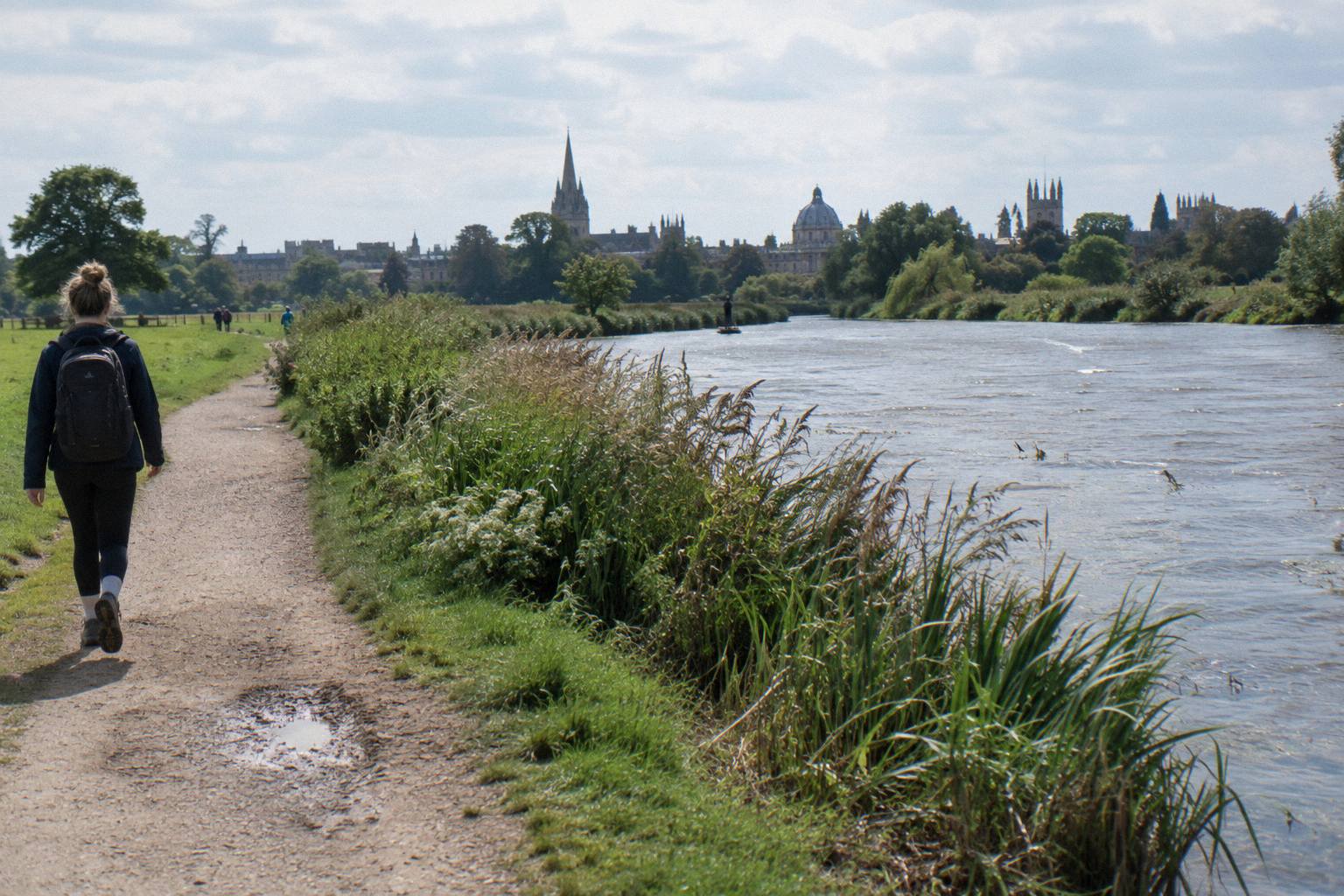
You walk it by arriving on foot and simply stepping onto the common: there is no entrance, no fee and no reservation, because Port Meadow is common land rather than an attraction with a gate. The typical approach is from Jericho in the north of the city, onto the grass, and then north along the Thames with the river on one side. Nothing in the route involves a ticket, and the whole walk is self-guided.
The free-ness of this walk is structural. Where a museum waives a charge by policy, and could in principle unwaive it, the meadow's openness comes from what the land is. That also means there is nothing to book, nothing to print and nothing to time your day around. You cannot arrive too late for the meadow in any sense that involves money. Practical planning is about daylight and footwear rather than tickets.
The route itself is simple: the river is the handrail. Follow the Thames upstream and the common runs with it, grass on one side, water on the other, until you reach the far end where riverside pubs sit at the water's edge. Walkers who want a loop can return by the same line or vary it across the common, since there is no single prescribed path across open land. Because it is open common rather than a landscaped park, the walking is on grass and uneven ground, which is the one honest caveat.
| Free river and canal paths | Thames Path, Folly Bridge and the Isis towpath | Oxford Canal towpath |
|---|---|---|
| Cost | Free, public footpath and towpath, no charge | Free, no charge |
| Open to | Walkers | Walkers and cyclists |
| Operator | Oxfordshire County Council and Environment Agency | Canal and River Trust |
| Note | College boathouses are private, view them from the towpath | Runs through Jericho and Walton |
What the meadow does not include is the paid city. This walk never enters a college, the Bodleian, the Radcliffe Camera or Christ Church, and no free walking tour in the city goes inside those places either, because none of the walk pages states that it does. If your day mixes the meadow with the centre, keep the two budgets separate in your head: the meadow costs nothing, the centre is a patchwork of free galleries, conditional colleges and ticketed interiors. The University's own guide to visiting colleges sets out which ones charge and which admit visitors, and it changes often enough that checking beats assuming.
If you want a guide for the streets before or after the meadow, the free walking tours are the natural pairing, and their durations differ enough to matter. All four are listed on GuruWalk, run by independent local guides, and every one is free to join with the guide paid in tips. The shortest is half the length of the longest, which changes how it fits a day that also includes a river walk.
| Walk on GuruWalk | Duration | Language | Meets at |
|---|---|---|---|
| Town And Gown History Walk | 2 hours | English | Weston Library steps, Broad Street |
| Bilingual Walk, 1 Hour 30 | 1 hour 30 minutes | English and Italian | Weston Library steps, Broad Street |
| University And Colleges Walk | 2 hours | English | Martyrs' Memorial, Magdalen Street |
| Student's Tour, 2 Hours | 2 hours | English | Oxfam shop, 17 Broad Street |
Choosing between them by language and meeting point is often faster than choosing by theme. Two meet at the same spot, which makes swapping between them on the day straightforward if a slot is full.
The numbers behind those walks, if ratings guide your choice, are printed on each GuruWalk page and summarized in a table later in this guide. For the meadow itself, no guide is needed at all, and that is the point: it is the one big Oxford experience where the free option and the only option are the same thing. The land is managed as open space, and the University's parks and gardens pages at parks.ox.ac.uk cover the green spaces it administers for anyone mapping a fuller outdoor day.
What Wildlife Can You See?
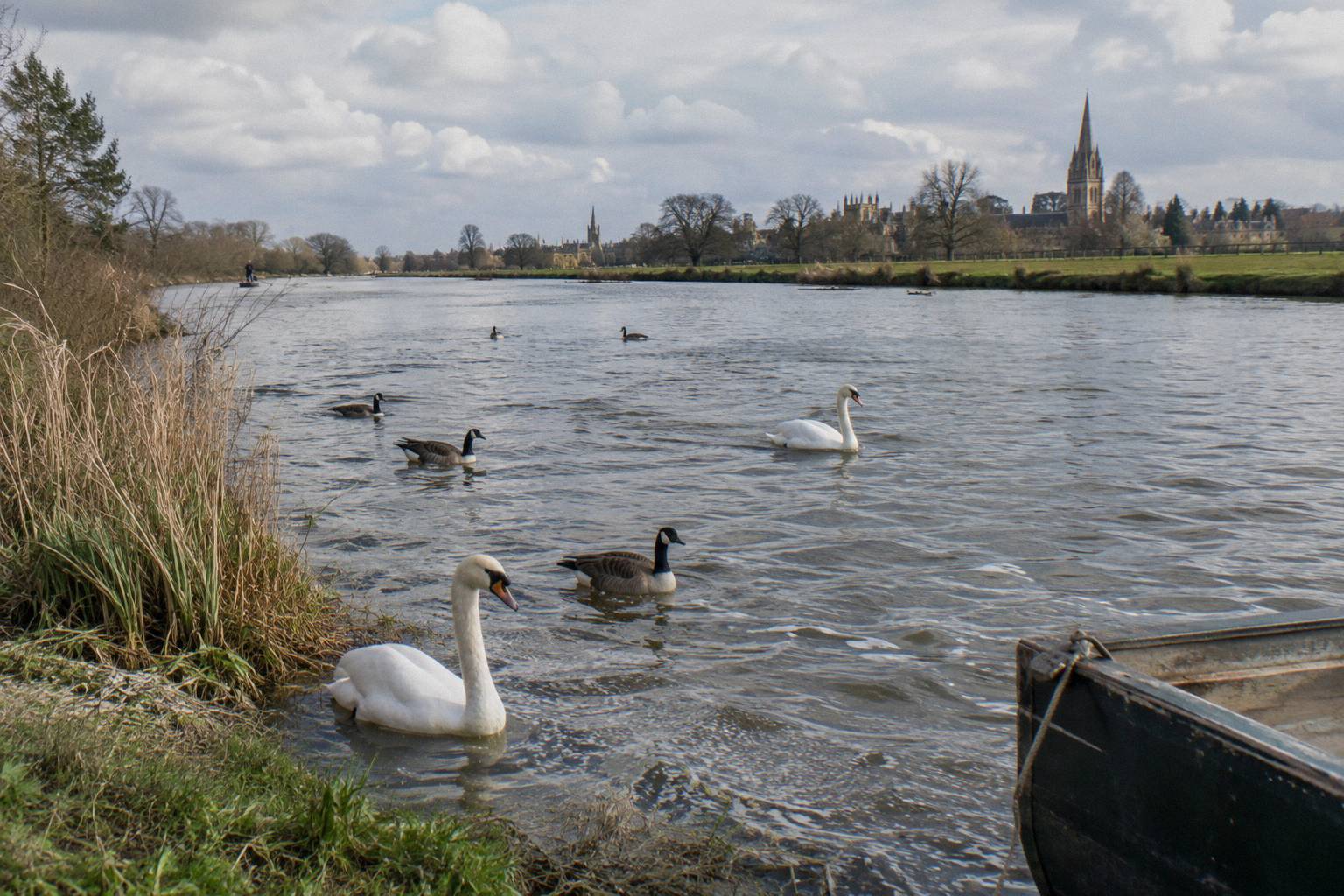
The wildlife on Port Meadow is the grazing livestock on the common itself and the river birds along the Thames, which are the two kinds of animal the site is known for. Because the land is a common rather than a mown park, animals are part of how it works, not a novelty. Birdlife concentrates along the river line and the wetter pools on the grass. None of it is behind a ticket.
| Christ Church Meadow | |
|---|---|
| Cost | Free, entry is free of charge |
| Open | Daylight hours all year except 25 December |
| Not included | The college and cathedral are a separate ticketed visit |
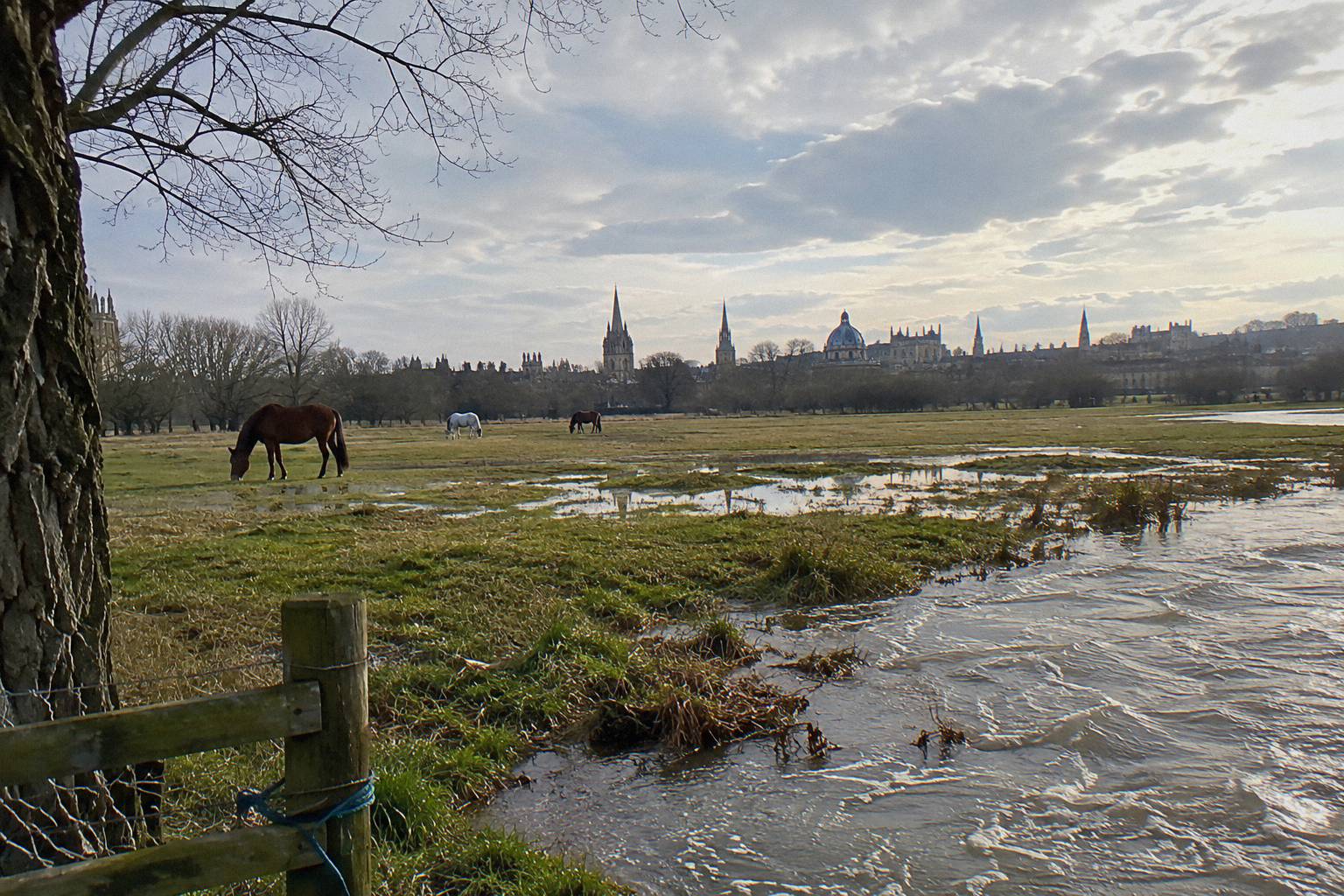
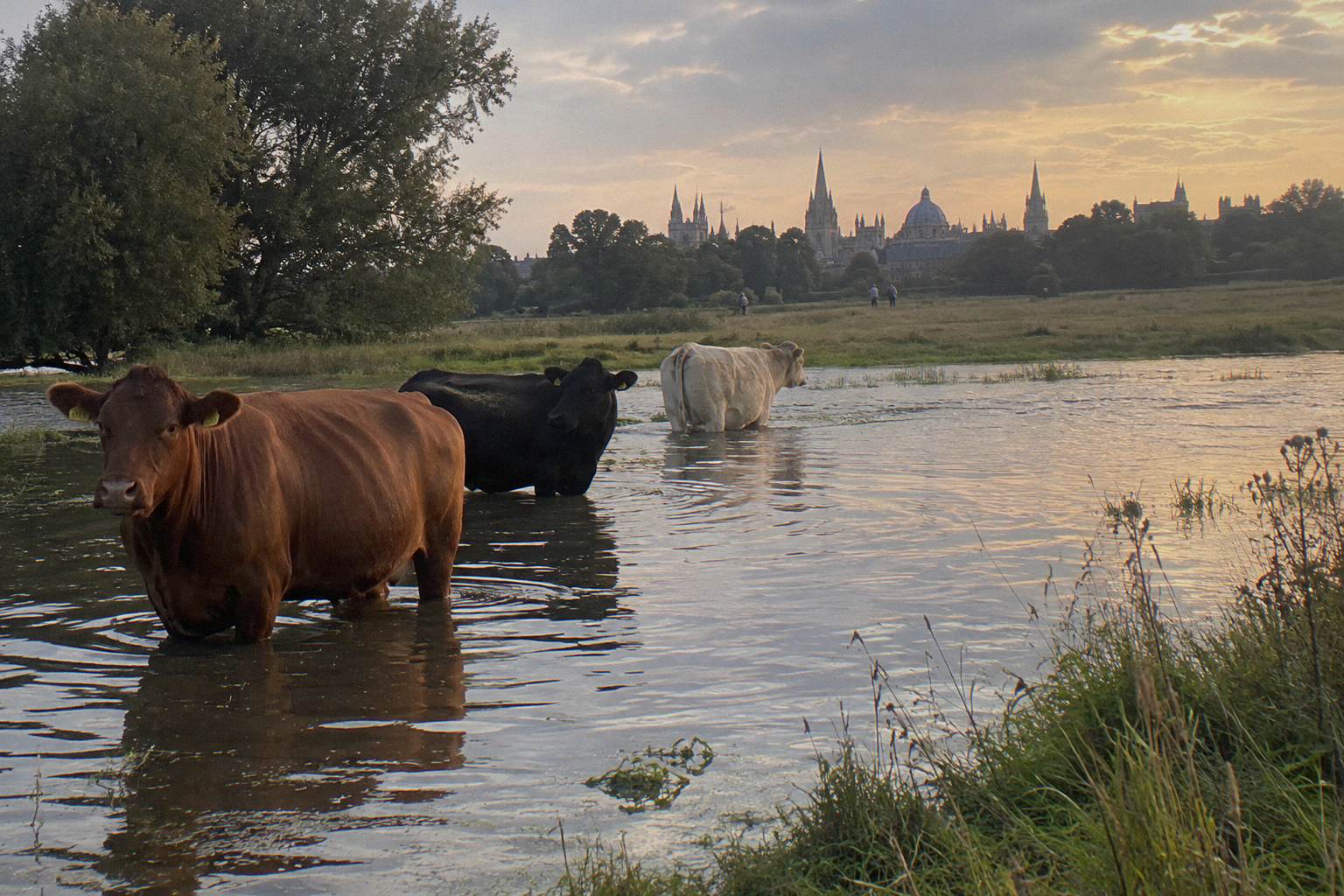
Start with the livestock, because it is the meadow's signature. Common land with grazing rights means cattle and horses are present on the grass for much of the year, and walkers share the space with them. The practical implication is simple: give animals room, keep dogs under control, and expect the ground to reflect their presence. This is not a zoo experience and not a farm visit; it is shared land, and the free walk comes with that arrangement attached.
The river line is where the birds are. The Thames along the meadow's edge holds waterfowl, and the wetter stretches of the common, the pools that form on flat ground after rain, draw waders and wildfowl of their own accord. What you see on any given morning varies with the season and the water, which is the honest way to state it: the meadow promises habitat, not a species list. Anyone who tells you exactly which birds appear on which day is writing fiction.
Comparing free wildlife experiences in Oxford is a short exercise. The meadow is the open-air option. The Oxford University Museum of Natural History is free to enter and holds the indoor collections. Port Meadow costs nothing and delivers animals in their own setting; the museum costs nothing and delivers them behind glass. A day can hold both, and the pairing costs nothing at all. What the meadow adds is the element no museum has: the weather, the water and the animals deciding for themselves where to stand.
A few habits make the wildlife side of the walk better without costing anything. Walk the river line slowly rather than straight-lining north. Pause at the pools rather than around them. Leave the dog's freedom for the open grass, not the riverbank. And treat the livestock as residents with priority: the common exists in its present form because of grazing, and the free walk depends on that continuing. None of this needs equipment, booking or a guide.
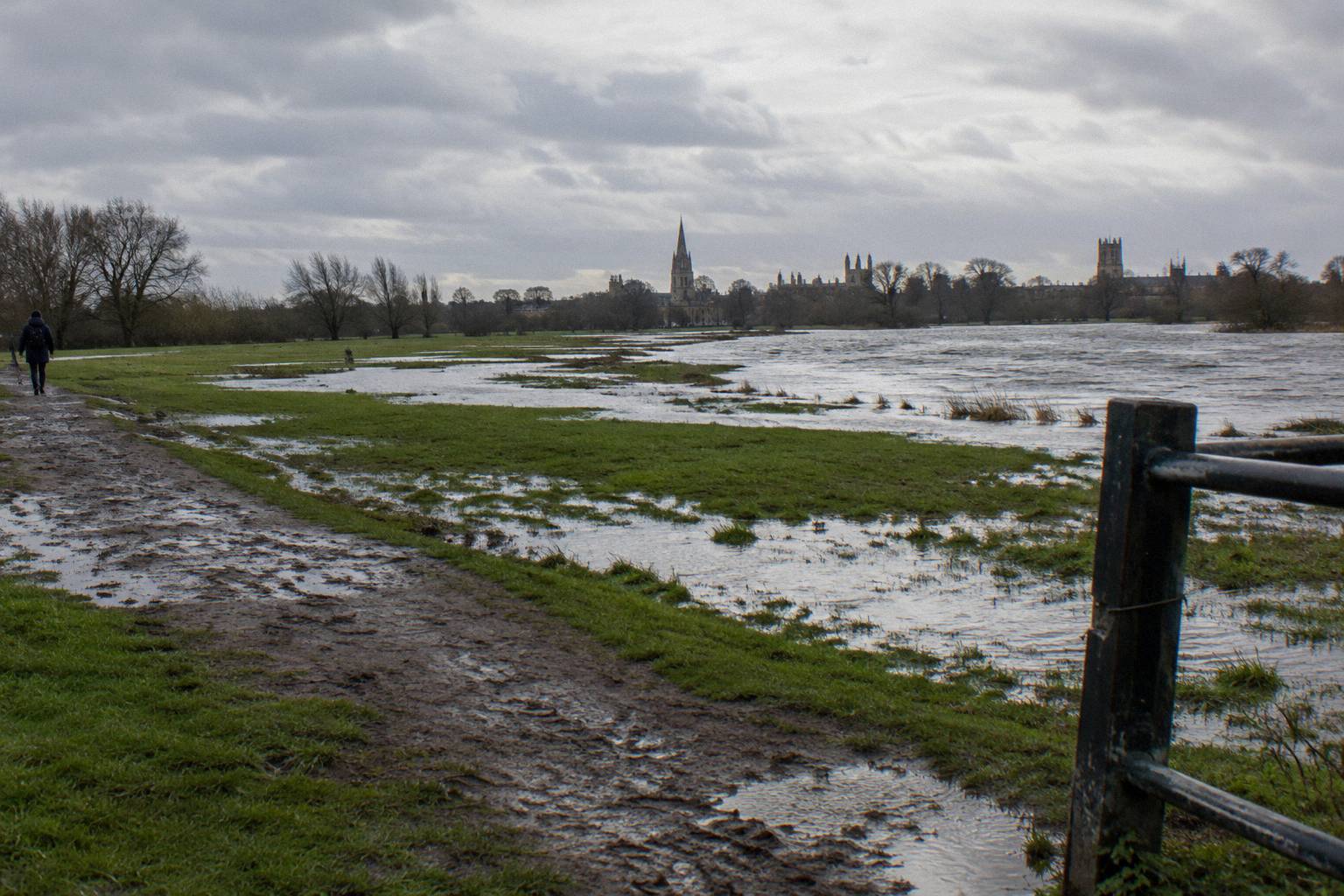
The wildlife also explains the mud, which is worth saying once plainly. Flat common land beside a river, grazed by cattle, holds water. After rain the going can be soft, and the pools that make the birding good make the walking heavy. Footwear choice is the single piece of gear that changes the experience, and it is the same advice the packing conversation for the city's walks covers in the what to wear and bring on a free walking tour guide.
One honest boundary: the meadow's animals are wild or semi-wild, and nothing here licenses feeding, approaching or touching. The free experience is watching, and the land does the rest. If a visit lands in a week when the pools have dried and the birds have moved, the walk itself is still the product, and it still costs nothing.
Where Does The Walk End?
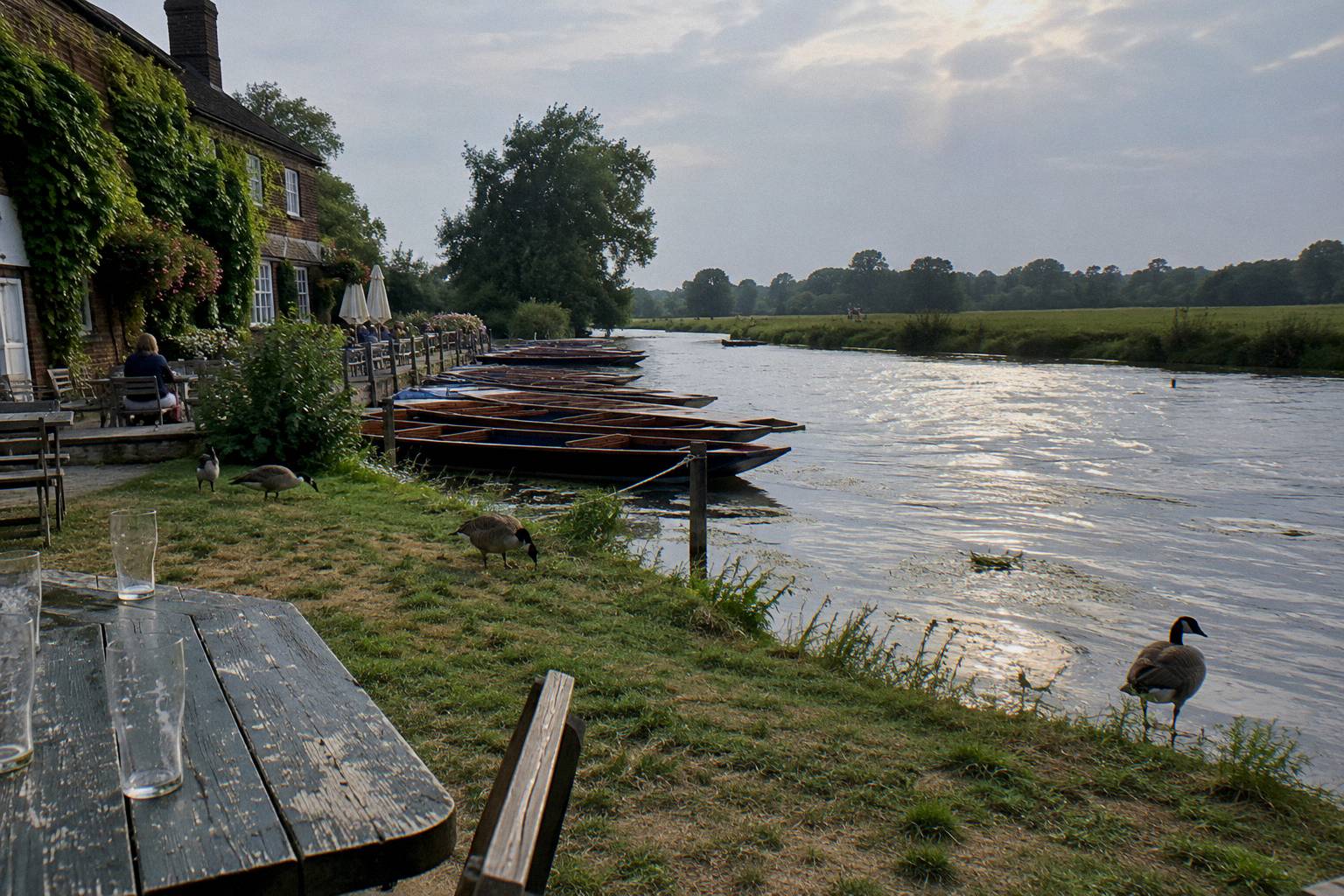
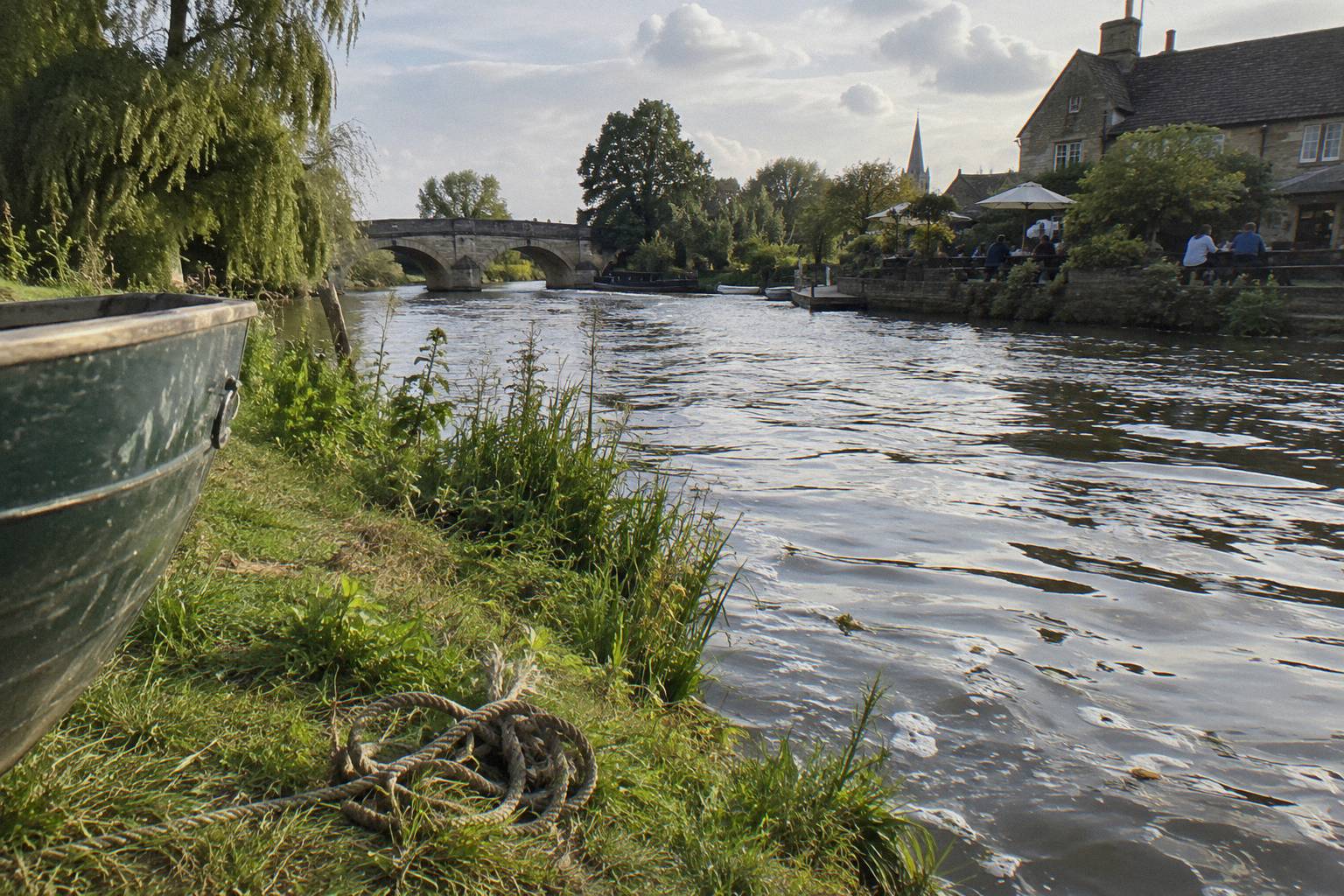
The walk ends at the far, northern end of the common, where riverside pubs sit at the water's edge beside the Thames, with the ruins of Godstow Abbey just beyond the meadow's northern edge. The pubs are the traditional turnaround point and the ruin is the historical full stop. Neither the meadow walk nor anything on it requires payment, though the pubs, as businesses, obviously sell what pubs sell.
The pub ending is the meadow's oldest tradition and the reason the route is as popular as it is. Walking north with the river, you arrive at buildings again after a stretch of nothing but grass and water, and those buildings are pubs beside the Thames. The Trout is the name most associated with the north end. Treat them as what they are: private businesses on public-facing ground, free to walk to and free to sit beside, with no obligation to buy anything to enjoy the riverbank at that point.
Godstow sits just past the meadow's northern boundary and gives the walk a historical anchor. The abbey ruins are the quieter ending, for walkers who prefer stone to ale. As with every sight in this guide, the honest framing is the meadow's: the walk itself is entirely free, and anything you choose to consume at its end is a separate decision with its own price, none of which is printed here because the records state the free side only.
Returning, most walkers reverse the line or cut across the common. The loop options are informal, as open land allows, and the river remains the reliable guide back toward Jericho and the city. From the centre, the meadow walk slots into a day either side of a guided walk: the tours cover streets, colleges from the outside and the story of the town, and the meadow covers none of that, which is precisely why they complement each other.
Among the tours, the Bilingual Walk, 1 Hour 30 is the closest thing to a bridge between the two halves of such a day. It meets at the Weston Library steps on Broad Street, runs 1 hour 30 minutes in English and Italian, and is rated 4.47 out of 5 across 17 GuruWalk reviews. Because it is the shortest of the four walks, it is the one that leaves the most daylight for the river, and its Broad Street meeting point puts the meadow direction within an easy continuation of a centre visit. It is free to join with the guide paid in tips, reserved on GuruWalk.
Its direct counterpart on the same meeting point is the Town And Gown History Walk, 2 hours of English, rated 4.97 out of 5 across 148 GuruWalk reviews, the largest review pool of the four. The University And Colleges Walk covers the university side from the Martyrs' Memorial on Magdalen Street, rated 4.47 out of 5 across 15 GuruWalk reviews. Between them they frame the centre; the meadow frames the escape from it.
For anyone weighing the guided half of the day against the self-guided half, the numbers sit side by side:
| Walk on GuruWalk | Rating | Review pool |
|---|---|---|
| Town And Gown History Walk | 4.97 out of 5 | 148 GuruWalk reviews |
| Bilingual Walk, 1 Hour 30 | 4.47 out of 5 | 17 GuruWalk reviews |
| University And Colleges Walk | 4.47 out of 5 | 15 GuruWalk reviews |
| Student's Tour, 2 Hours | 4.2 out of 5 | 5 GuruWalk reviews |
One caution belongs here rather than in the FAQ: the walks and the meadow are different products, and no free walk in the city goes inside a paid college, the Bodleian, the Radcliffe Camera or Christ Church. That is a single fact worth carrying, and it holds for every walk on the roster. The free walking tour meeting points in Oxford guide maps all four start locations if you are building the combined day around a specific corner of the centre.
The other river question, for walkers with time for two waterside stretches, is whether to add the Cherwell or a second meadow. Christ Church Meadow is the southern answer, a free riverside walk in the very centre of the city beside the paid college, and the Christ Church Meadow riverside walk guide covers it in full. Doing both meadows in one day is entirely possible on foot and costs nothing at either end.
Mistakes That Trip People Up At Port Meadow
The common mistakes are treating the meadow as a park with facilities, assuming the riverside pubs are part of the free experience, arriving in footwear that cannot handle wet common land, and blending the free colleges-and-museums story into a day that actually contains several paid interiors. Each mistake comes from merging two facts into one, and each is avoidable by keeping the free part and the paid part in separate sentences.
The first mistake is expecting a park. Port Meadow is common land: no formal gardens, no paved circuit, no visitor centre by design. The ground is grass and it holds water. Walkers who arrive expecting the raked experience of a city park read the mud and the livestock as defects, when they are the site working as intended. The correct expectation is open land with animals on it and a river beside it, and the correct footwear follows from that.
The second mistake is merging the pubs into "free". The walk to them, the riverbank beside them and the view from the water's edge cost nothing. What happens once you are inside a pub is commerce, the ordinary kind, and no figure from that side of the door appears in any record this site publishes. The honest sentence is two clauses: the walk ends at riverside pubs; the pubs are businesses.
The third is the city-wide trap, imported onto the meadow day by walkers who combine both. Oxford's headline sights split into free, conditional and ticketed, and treating that patchwork as one story produces wrong plans. The museums are free with ticketed exceptions. Most colleges charge or restrict, and the walk-in free ones, All Souls, Lincoln, Corpus Christi, Keble, St John's, Wadham, Lady Margaret Hall and Brasenose, each carry their own hours or a porter's discretion. Christ Church needs a paid timed ticket. The meadow asks nothing, which is exactly why it is the easy half of the day and should be planned as the relief valve, not the obstacle course.
| Part of an Oxford day | Status |
|---|---|
| Port Meadow, whole common | Free |
| Christ Church Meadow | Free |
| Free museums, permanent galleries | Free |
| Charging colleges (Magdalen, New College, Merton, Trinity, Balliol, University College, Oriel, Jesus) | Paid entry |
| Christ Church, college and cathedral | Paid timed ticket |
| Carfax Tower, Botanic Garden, Harcourt Arboretum, Blenheim Palace | Ticketed |
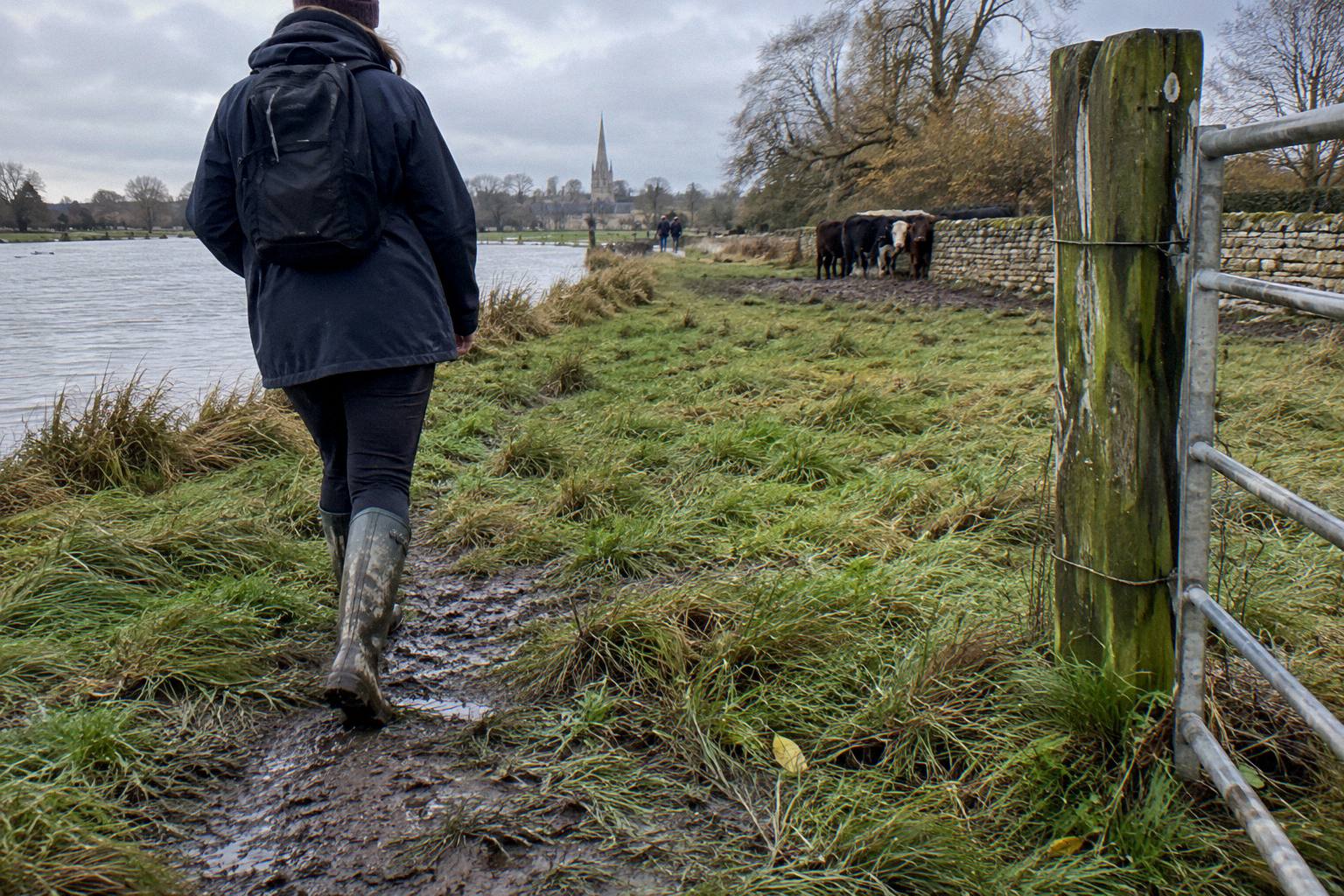
The fourth mistake is logistical: assuming a guided walk can be bent to include the meadow. The four free walks on GuruWalk are centre-based tours with published meeting points, durations and languages, and none of them is a meadow walk. The right plan is sequential, a guided walk through the streets, then the self-guided river walk, and the duration table earlier in this guide is the tool for fitting both into one day. Whether you need to reserve the guided half at all is its own question, answered in do you need to book a free walking tour in Oxford.
The fifth and smallest mistake is footwear adjacent: going late in the day in the wettest weeks and finding the pools at their widest. The walk stays free and open in all of it, but the experience narrows to a slog. Daylight and ground conditions are the only two variables the meadow actually charges you in, and it charges neither money nor booking, only planning.
With the meadow, the tours and the mistakes laid out, the two centre walks that pair best with a river day are below; both meet on or near Broad Street, both run 2 hours in English, and both are free to join with the guide paid in tips.
Common Questions About Port Meadow
Is Port Meadow Free To Enter?
Yes, entirely. It is common land beside the Thames in north Oxford, with no gate, ticket, booking or charge of any kind for walkers. Unlike the city's museums, where a ticketed exhibition can sit inside a free building, the meadow has no paid part at all. The riverside pubs at the end are separate businesses.
How Long Is The Port Meadow Walk?
There is no fixed distance because the common is open land with no single prescribed path. Most walkers follow the Thames north from the Jericho end to the pubs at the far end and return by the same or a varied line. The meadow is a large common, so allow a relaxed couple of hours rather than a quick circuit.
What Wildlife Lives On Port Meadow?
Grazing livestock on the common and river birds along the Thames. Because it is common land rather than a park, cattle and horses are present for much of the year, and the river line and wetter pools hold waterfowl. What appears on any given day varies with season and water, so the habitat, not a species list, is the promise.
Does A Free Walking Tour Cover Port Meadow?
No. The 4 free walking tours on GuruWalk are centre-based walks with published meeting points on Broad Street and at the Martyrs' Memorial. None is a meadow walk, and none goes inside a paid college, the Bodleian or the Radcliffe Camera. The meadow is walked self-guided, and the tours pair with it before or after.
Where Does The Port Meadow Walk End?
At the common's northern end, where riverside pubs sit beside the Thames, with the ruins of Godstow Abbey just beyond. The pubs, the Trout foremost among them, are the traditional turnaround. Walking to them and sitting by the water costs nothing; what you buy inside is a separate matter.
Can You Combine Port Meadow With A Free Walking Tour In One Day?
Yes, and the durations make it easy. The shortest guided option, the Bilingual Walk, 1 Hour 30, runs 1 hour 30 minutes from the Weston Library steps; the other three run 2 hours. A morning guided walk plus an afternoon by the river is the standard combined shape, and only the pub at the end can cost you anything.